













































































Guia de Padel - PadelPoint
Racket material and its impact on control and ball output
The importance of material in padel rackets
The material of the padel racket is one of the most decisive factors in how the racket behaves during play. Choosing correctly can make the difference between a precise or uncontrolled shot. In this article, we detail how different materials influence both control and ball output, two key aspects for any player, whether amateur or professional.

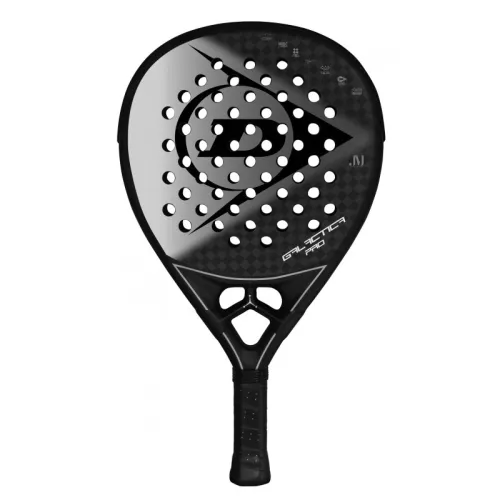
Today's padel rackets are made with a combination of materials designed to optimize performance for each type of player. Carbon and fiberglass are the most common for the faces, while EVA rubber and FOAM dominate the core.
Main materials and their influence on the game
Carbon provides more rigidity and durability, offering excellent control and immediate response. However, carbon rackets usually have a more controlled ball output, allowing technical players to dominate the pace of the match. On the other hand, fiberglass offers more flexibility, resulting in a livelier ball output and greater tolerance for off-center shots, ideal for those seeking power and ease of play.

The core rubber is also essential: EVA rubber provides firmness, control, and precision, while FOAM results in a softer racket, offering greater ball output and requiring less technical skill.
Which material is best for control?
If your priority is control, it is best to choose rackets with carbon faces and an EVA rubber core. These combinations can be found in models from brands like Adidas, Bullpadel, or Head. In our accessories section you will also find items that enhance your playing experience and racket control.
Advantages of carbon for precision play
Carbon stands out for its dry and precise feel. More advanced players or those who prioritize defense and tactical play often choose this material. Brands such as Starvie and Siux offer high-end carbon rackets that meet the demands of professional padel.
How does the material affect ball output?
Ball output refers to the racket's ability to "propel" the ball with minimal effort. Rackets with fiberglass faces and FOAM core are perfect for those who need help with slow shots or who want more power without sacrificing comfort. Brands like Drop Shot and Nox use these combinations in some of their most popular models.
Differences between EVA and FOAM
While EVA rubber offers a firmer and more direct feel, FOAM softens the impact and makes ball output easier. This is especially noticeable in smashes and volleys, where power and ease of returning difficult balls are enhanced by FOAM.

In padel balls, it is also important to use quality materials to complement the racket's performance.
Factors to consider according to your level of play
Not all players have the same needs. The ideal material depends on playing style, level, and preferences. If you are a beginner, a fiberglass and FOAM racket will make learning easier and prevent injuries. If you already have experience, carbon and EVA rubber will give you extra control and precision.
Recommendations for advanced players
- Look for models with a higher percentage of carbon for maximum precision.
- Choose a medium or low balance for better control.
- Consider durability and feel with every shot.
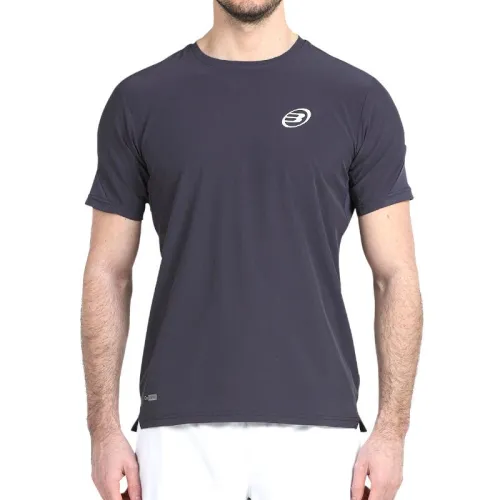
In padel clothing there are also advances in materials for greater comfort and on-court performance.
Which brands stand out according to racket material?
At TiendaPadelPoint we work with the best brands in the sector, each specializing in different materials and technologies. Babolat and Wilson stand out for their innovation in carbon, while Bullpadel and Head offer a variety between EVA and FOAM for all player profiles.
Accessories and add-ons to optimize performance
Remember that padel accessories such as grips, overgrips, or protectors also affect the control and durability of your racket. Explore our OUTLET to find exclusive deals and renew your equipment with the best value for money.
Padel Guide: Technical Knowledge and Experience Applied to the Game
tiendapadelpoint · Authority in padel, equipment and performance @ Copyright 2026
