















































































Guia de Padel - PadelPoint
Differences in reading the rebound between professional and amateur padel
The perception of the rebound in competitive padel
Rebound reading is one of the most decisive tactical skills in padel, both for professional and amateur players. However, the way both levels interpret and anticipate the ball's rebound makes the difference in decision-making and point development. In this analysis, we address the factors that influence rebound reading at each level, the most common mistakes, and how the choice of materials such as padel rackets, balls and padel shoes can affect performance.
Technical factors influencing rebound reading
In professional padel, rebound anticipation is closely linked to knowledge of ball behavior, the type of shot, and strategic use of the wall. Professional players analyze the spin, speed, and trajectory before impact, allowing for accurate positioning. In contrast, amateur players usually react after the ball has bounced, causing misplacement and limiting their response options.
The right accessories, such as grips or overgrips, can also provide security and improve perception of the impact, facilitating better rebound reading.
How does professional anticipation of the rebound improve?
The main difference between professionals and amateurs lies in anticipation. Professionals recognize game patterns, adjust their movements, and analyze the environment (wall, angle, spin) before the ball touches the glass or mesh. This allows them to anticipate the bounce and attack or defend effectively.
On the other hand, amateurs usually wait to see the bounce before deciding, losing time and options. Experience and training with different types of balls and accessories help develop this skill.
The importance of materials in rebound reading
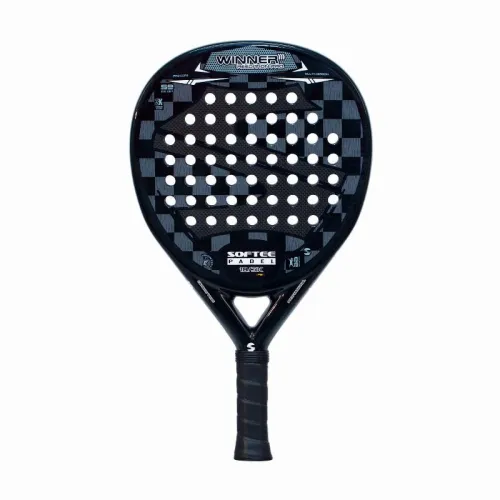
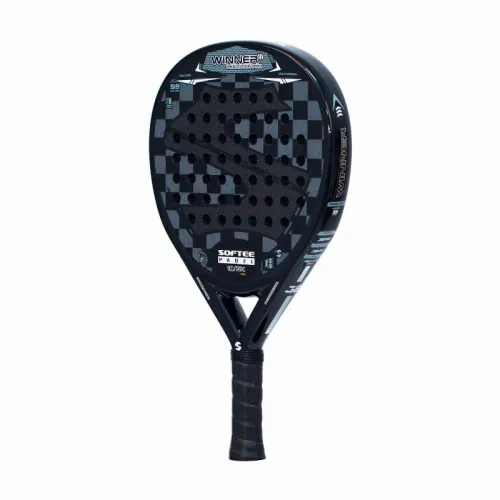
At high performance, professional players carefully select their padel racket from leading brands like Adidas, Bullpadel or Head, seeking balance between control and power to better read the bounce. In addition, using racket bags allows them to transport the optimal equipment for each type of court and situation.
The amateur often ignores the influence that materials have on the rebound, so using products adapted to their level, such as models from Siux, Wilson or Nox, can make a significant difference in their development.
What mistakes do amateurs make when reading the bounce?
The most frequent mistake is late reaction. Amateur players usually wait for the ball to hit the wall before starting to move. Another common mistake is misinterpreting the spin, which leads to miscalculations in the bounce trajectory. Likewise, the wrong choice of padel shoes can limit agility, making anticipation and reaction difficult.
Training in visualizing the bounce before it happens and watching professional players can help improve decision-making. Furthermore, consulting new products in materials and accessories is key to evolving.
Tips to improve rebound reading
- Observe the opponent's body and racket before the shot.
- Practice with different padel balls to recognize bounce variations.
- Use padel shoes that offer good traction and stability.
- Train specific anticipation and reaction exercises.
- Adapt your materials: a control racket can help you feel the ball better.
How does training influence rebound perception?
Systematic training makes a huge difference. Professionals spend many hours on wall and double bounce exercises, analyzing each impact and adjusting their position even before the ball bounces. Amateurs, on the other hand, usually focus on direct shots and leave bounce situations aside, missing the opportunity to develop a proactive reading of the play.
The use of technical accessories and equipment, such as racket bags to carry different rackets and balls, is common among experienced players who seek to replicate match conditions in training.
The evolution of the game and the bounce in modern padel
Padel has evolved rapidly, and with it, the importance of rebound reading. Leading brands such as Adidas, Bullpadel and Head have developed specific technologies to improve control and sensitivity in rackets, facilitating anticipation. At TiendaPadelPoint you can find the latest innovations to optimize your game and progress in rebound reading.
What role does tactics play in rebound reading?
Tactics are fundamental in professional padel. Players design specific strategies to provoke complex rebounds for the opponent, forcing mistakes or limiting their offensive options. Knowledge of the bounce allows anticipation and the decision to attack or defend. In contrast, amateurs tend to play reactively, without anticipating how the bounce will influence the next action.
Integrating tactics into training and analyzing professionals helps improve decision-making. In addition, keeping up to date with new products will allow you to have the best tools to take your game to the next level.
Padel Guide: Technical Knowledge and Applied Experience to the Game
tiendapadelpoint · Padel authority, equipment and performance @ Copyright 2026
