



















































































Guia de Padel - PadelPoint
Risks of constant catalogue rotation for padel wholesalers
How frequent catalogue rotation affects the padel wholesale sector
Constant catalogue rotation is an increasingly present reality in the padel market. Wholesalers managing large volumes of products, such as TiendaPadelPoint, face significant challenges stemming from the continuous update and replacement of product references. While this process may seem positive for staying at the forefront of new releases, it also entails commercial and logistical risks that can affect profitability and business stability.

This article analyses the most relevant risks and how leading brands such as Adidas, Bullpadel, and Head influence wholesalers' catalogue dynamics.
Inventory management and obsolescence
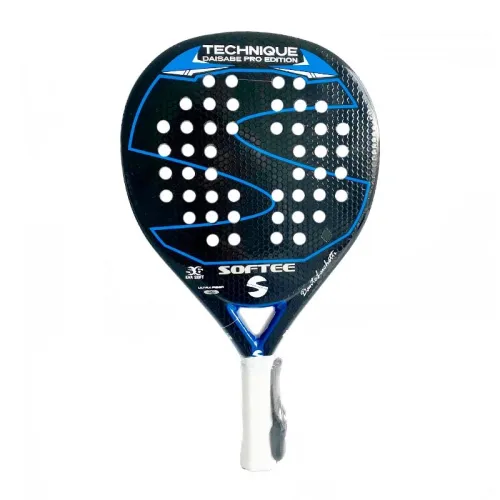
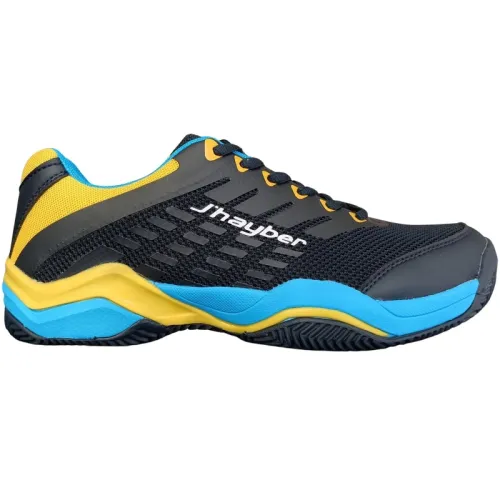
One of the biggest challenges is efficient inventory management. The quick succession of models in key categories such as padel rackets and padel shoes can lead to an accumulation of obsolete stock. Wholesalers who do not adjust their orders to real demand or do not implement clearance strategies, such as the OUTLET, risk suffering significant losses.
How does rotation affect relationships with padel brands
Collaboration with diverse brands such as Babolat, Black Crown, or Nox requires continuous adaptation. Brands often launch exclusive models or limited editions, forcing wholesalers to renew their catalogue regularly to remain competitive. However, this can create commercial pressure, as accelerated rotation makes medium- and long-term planning difficult and can strain relationships if purchasing commitments are not met.
Planning and forecasting challenges
Constant updating of products such as Ropa Padel and rackets bags complicates sales forecasting and campaign planning. Wholesalers must be alert to trends and anticipate changes to avoid being left with products that lose appeal compared to new releases on the market.
How does rotation affect the wholesaler's profitability and liquidity
Accelerated rotation can negatively impact the wholesaler's profitability. The risk of devaluation of items in stock, especially in ranges such as padel balls or accessories, forces the application of discounts or promotions to clear inventory, reducing profit margins. The need for ongoing investment in new products can also affect liquidity, especially if sales do not keep pace with the rate of renewal.

Strategies to minimise financial impact
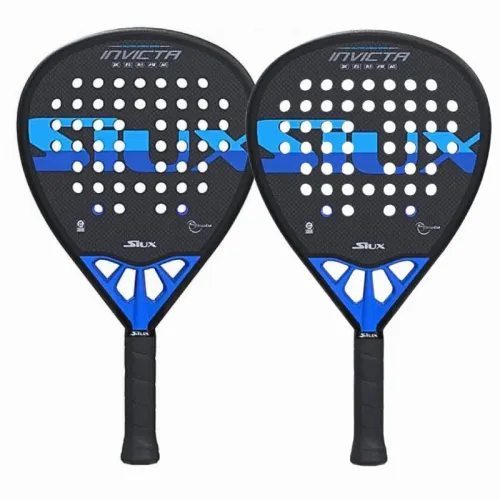
To mitigate these risks, it is essential to implement sales and rotation analysis tools, negotiate flexible conditions with suppliers, and diversify the offer, relying on well-known brands such as Siux or Starvie, which guarantee sustained demand.
What logistical and operational risks arise from high rotation
Managing constantly changing references requires agile and flexible logistics. Managing orders, storage, and returns increases in complexity, especially during high-demand seasons or when launching new collections. Wholesalers must have adapted systems to avoid stock errors, delivery delays, and additional logistics costs.
Automation and technology in wholesale management
Investing in technology for inventory and order management reduces errors and streamlines processes, making it easier to adapt to catalogue rotation without compromising service quality.
How does rotation impact professional customer satisfaction
Frequent catalogue updates can be a double-edged sword for professional customers (shops, clubs, coaches). While it facilitates access to innovative products, it can also cause frustration due to the discontinuity of references or the rapid expiry of certain lines.
The key is to maintain transparent communication and offer value alternatives, such as OUTLET promotions, to retain customers despite constant changes.
The importance of training and commercial advice
Training the sales team and offering expert advice helps build trust and makes it easier to manage the expectations of wholesale customers, especially when new products arrive or classic references are withdrawn.
What strategies can a wholesaler adopt to turn rotation into an opportunity
Far from being just a source of risk, rotation can become a competitive advantage if managed intelligently. Betting on leading brands such as Asics, Vibora or Wilson allows the offer of high-demand, naturally rotating products. In addition, diversifying the catalogue with accessories, balls, and Ropa Padel helps retain customer loyalty in the face of possible changes in trends.
In conclusion, constant catalogue rotation presents serious risks for the padel wholesaler, but strategic management, supported by technology and alliances with leading brands, makes it possible to turn these challenges into opportunities for growth and market differentiation.
Padel Guide: Technical Knowledge and Applied Court Experience
tiendapadelpoint · Authority in padel, equipment, and performance @ Copyright 2026
