




















































































Guia de Padel - PadelPoint
The role of schools and clubs in Spanish padel
How schools and clubs drive padel growth in Spain
Padel in Spain has experienced exponential growth in recent decades, becoming one of the most popular sports in the country. This boom would not have been possible without the fundamental role played by schools and padel clubs, key structures in player development and the expansion of the padel community. From attracting new enthusiasts to creating future professionals, schools and clubs are the epicenter of the sport's development.
The foundation of success: training from an early age
Padel schools offer programs suitable for all ages and skill levels, enabling both children and adults to start or perfect their technique. Through certified coaches and modern teaching methods, they promote not only sporting skills but also values such as teamwork, discipline, and respect. Many current padel professionals started out at a local school, proving the importance of starting from the bottom to reach the elite.
Clubs, meanwhile, provide an ideal environment for regular practice, internal competitions, and socialization among players. They also typically offer top-notch facilities, making it easier to access quality courts and equipment. At TiendaPadelPoint you can find a wide range of padel rackets for all levels and needs, essential for daily training.
Why is collaboration between schools and clubs essential?
The synergy between schools and clubs is vital for the ecosystem of Spanish padel. Many clubs host their own schools or work with external coaches to offer comprehensive teaching programs. This cooperation eases the transition for players from the formative stage to competition, allowing for continuous and personalized monitoring of each student's progress.
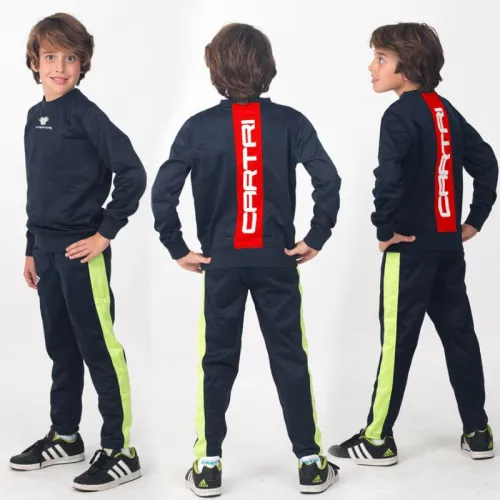
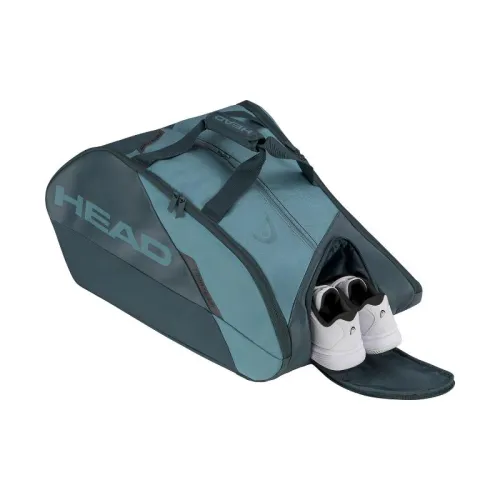
Access to appropriate padel clothing, along with specific padel shoes, is another key aspect promoted by schools and clubs to prevent injuries and enhance performance. This fosters a culture of safety and professionalism from the very first steps in the sport.
Organizing events and internal tournaments
Padel clubs in Spain are not just places for training but real engines for the sport's social and competitive life. They organize internal tournaments, social leagues, and community events that motivate players of all ages to improve and integrate into the community. These initiatives are essential for the development of emerging talent and for fostering long-term passion.
Many of these events are supported by well-known brands in the sector, such as Adidas, Bullpadel, or Nox, who not only provide equipment and prizes but also foster the professionalization of the amateur scene.
What impact do they have on talent detection and promotion?
Schools and clubs act as the main breeding ground for future champions. Through direct observation and internal competition, coaches identify young talents and provide the tools they need to develop their potential. Collaboration with regional and national federations facilitates access to competitive circuits and sports scholarships.
In this training process, padel accessories play a fundamental role, optimizing both training and physical preparation. From grips to wristbands, every detail matters to maximize performance and comfort on the court.
The importance of continuous learning
Padel is a constantly evolving sport, and both coaches and players need to update their skills regularly. Schools organize special courses and clinics with professional players, while clubs encourage technical and tactical training through workshops and talks.
How do they promote inclusion and access to padel for everyone?
Social commitment is another distinctive feature of Spanish padel schools and clubs. Through integration programs for people with disabilities, gender equality initiatives, and scholarships for families with fewer resources, they ensure that padel is an accessible sport open to all of society.
In addition, the existence of padel balls adapted for different needs and specific equipment allows more and more people to enjoy the sport on equal terms.
The role of clubs in value formation
Beyond technique, clubs instill values such as respect, sportsmanship, and perseverance. These qualities accompany the player both on and off the court, contributing to the all-round development of individuals.
What challenges and opportunities do padel schools and clubs face in Spain?
The future of Spanish padel is closely linked to the ability of schools and clubs to innovate and adapt. The rise of new developments in technology, the professionalization of sports management, and the internationalization of padel are just some of the challenges ahead.
Initiatives such as the creation of outlets for sports equipment make it easier to access quality gear at competitive prices, boosting padel practice at all levels.
In short, the work of schools and clubs is essential for the present and future of padel in Spain. Their commitment to training, inclusion, and sporting development ensures that padel continues to be a benchmark in both the national and international sports scene.
Padel Guide: Technical Knowledge and Applied Experience for the Game
tiendapadelpoint · Authority in padel, equipment and performance @ Copyright 2026
