










Guia de Padel - PadelPoint
Keys to segmenting the padel assortment by area
Analyzing local demand for an effective padel assortment
The success of a padel wholesaler largely depends on their ability to segment the product assortment according to the operating area. This process is key to offering a catalog tailored to the real needs of the local market and maximizing sales opportunities. Smart segmentation involves studying various factors that directly influence the popularity of certain items, brands, and product types in each region.
At TiendaPadelPoint, we understand that the ideal offer varies greatly between urban areas, coastal zones, regions with extreme climates, or locations with different levels of padel development. That is why the correct selection of accessories, padel rackets and other products must be based on a detailed and strategic analysis.
Demographic factors and player profile
One of the first aspects to consider is the demographic profile of padel players in the area. Regions with a younger population usually demand innovative and high-performance products, while areas with older players may prefer items focused on comfort and injury prevention. The presence of padel clubs, sports schools, and local events also strongly influences the most in-demand product category.
Climate and environmental conditions
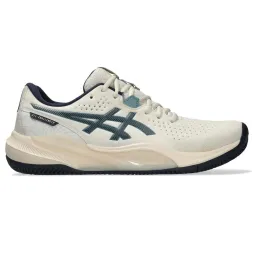
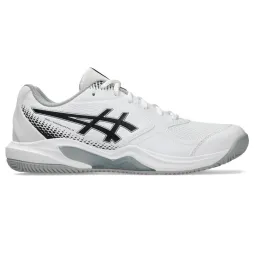
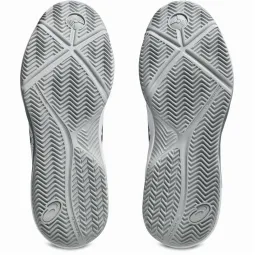
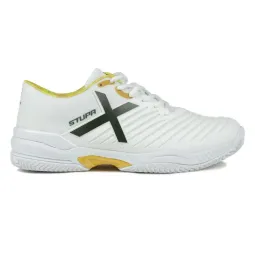
Climate is a determining factor in defining the optimal assortment for each region. For example, in warm and humid areas, padel shoes with high breathability and light materials are essential. In contrast, in cold or rainy areas, players seek water-resistant equipment with thermal insulation. This criterion affects both the selection of technical apparel and the types of padel balls, which react differently depending on humidity and temperature.
Preferences for leading brands in each area
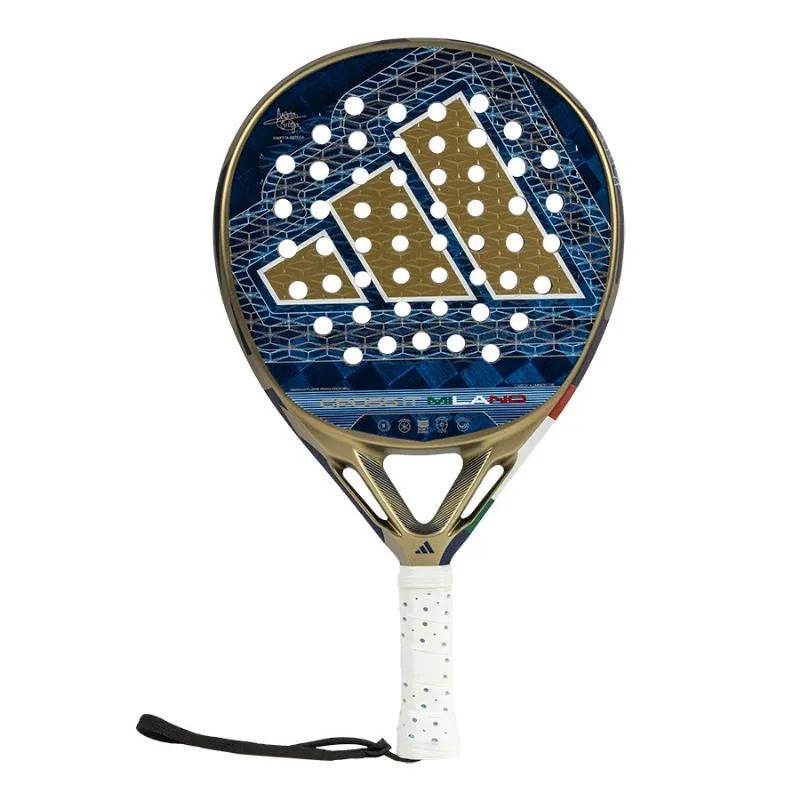
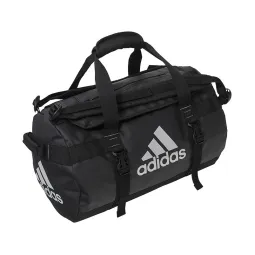
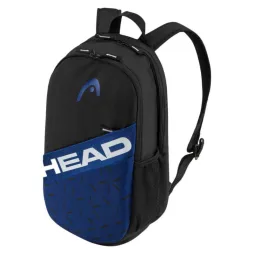
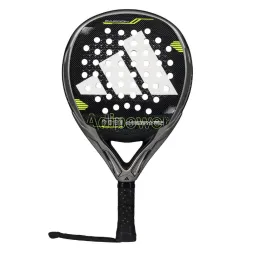
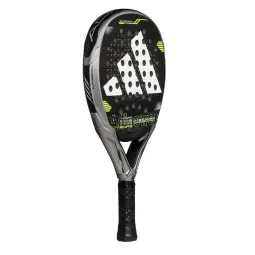
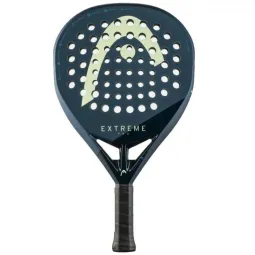
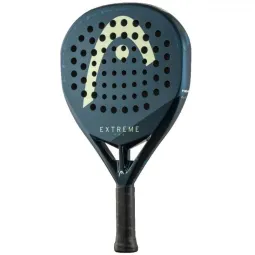
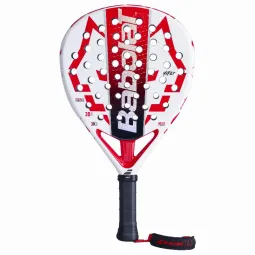
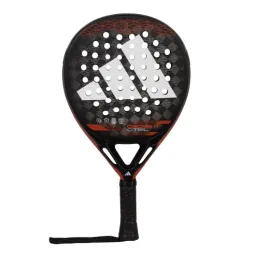
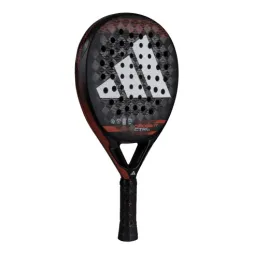
The analysis of the most requested brands is essential for the wholesaler. For example, in certain urban areas, brands like Adidas, Babolat or Head usually have a strong presence and recognition. In other regions, emerging brands such as 4on or Aca Padel may be gaining market share thanks to their differentiated offerings.
How do trends and new products influence segmentation?
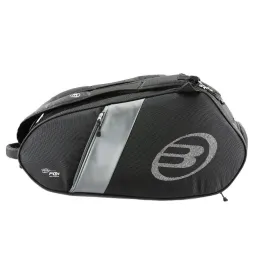
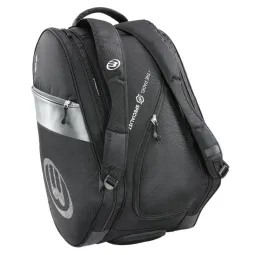
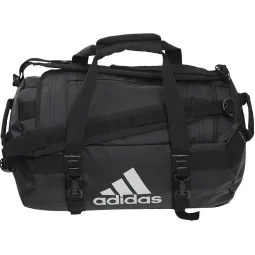
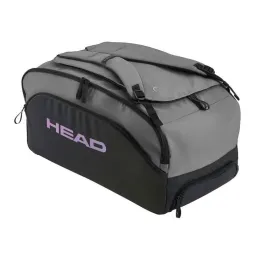
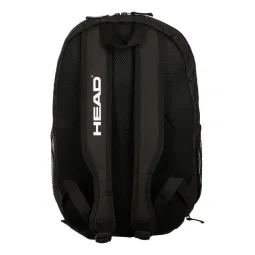
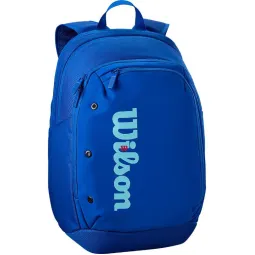
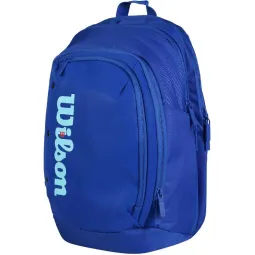
New products and sector trends have a direct impact on assortment segmentation. Wholesalers must be alert to the launch of new models, technologies and seasonal collections, since customers in areas with a greater sports culture tend to demand the latest innovations. Integrating newly launched products into the market, such as next-generation rackets or ergonomic padel racket bags, can make a difference against the competition.
Additionally, the presence of outlets in the area is another factor to analyze, as they can attract an audience looking for deals and products from previous seasons, thus optimizing stock and inventory turnover.
Impact of seasonality
Seasonality is a key aspect in assortment planning. In regions where padel is mainly played in spring and summer, the demand for light and breathable padel apparel increases considerably. On the other hand, in areas where it is played all year round, a more balanced catalog should be maintained, including thermal clothing, winter accessories and different types of balls adapted to each season.
What is the importance of local competitive analysis?
Analyzing the local competition allows you to identify opportunities and gaps in the area's padel assortment. Knowing which categories and brands are present in nearby stores helps to differentiate your own offer, either by incorporating exclusive brands or expanding the stock of less available products. Similarly, observing the pricing and promotional strategies of the competition can guide decisions on the most attractive assortment for customers.
Diversification of categories and products
An efficient strategy is to diversify the assortment with complementary or niche products, such as innovative accessories, specialized technical apparel or even books and gadgets related to padel. In this way, a wholesaler can take advantage of less explored market segments and offer added value to distributors and retailers in the area.
What are the key information channels for segmentation?
Access to quality information is essential for successful segmentation. Sources may include market studies, analysis of local sales, consultations with clubs and trainers, as well as analysis of internal sales and returns data. It is also advisable to maintain constant communication with distributors and points of sale to quickly adapt the assortment to changes in demand.
Online platforms such as TiendaPadelPoint allow you to monitor in real time which products are trending in different areas, facilitating decision-making based on up-to-date and reliable data.
Use of technology for segmentation
The use of technological tools, such as inventory management systems, predictive sales analysis and customer databases, contributes to precise and dynamic assortment segmentation. Digitalization makes it possible to identify consumption patterns, predict demand peaks and improve logistic efficiency, thus optimizing the offer in each geographic area.
What is the role of customization in regional assortment?
Customization of the assortment is a differentiating element that can enhance the wholesaler's competitiveness. Offering personalized products or services tailored to clubs and customers in the area, such as the customization of padel rackets or corporate padel racket bags, can build customer loyalty and encourage repeat purchases. This strategy requires a deep understanding of local preferences and close collaboration with manufacturers and leading brands.
Collaboration with brands and local events
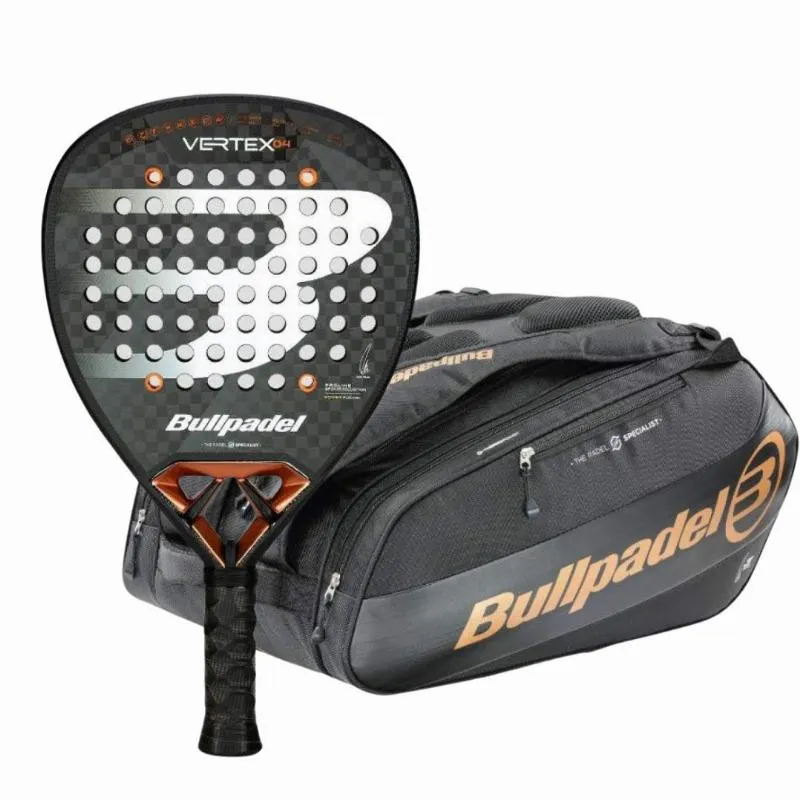
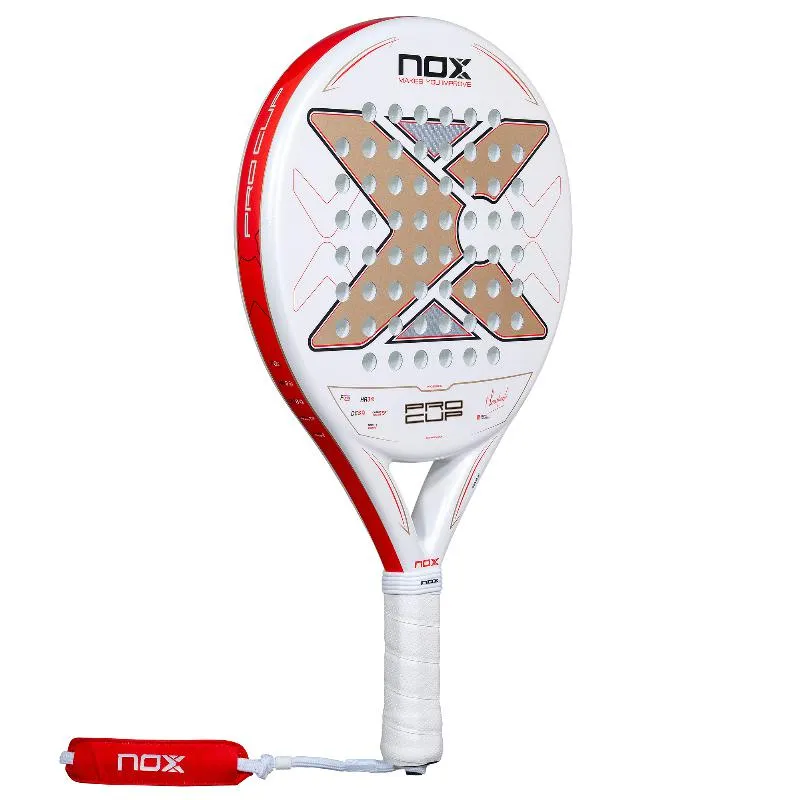
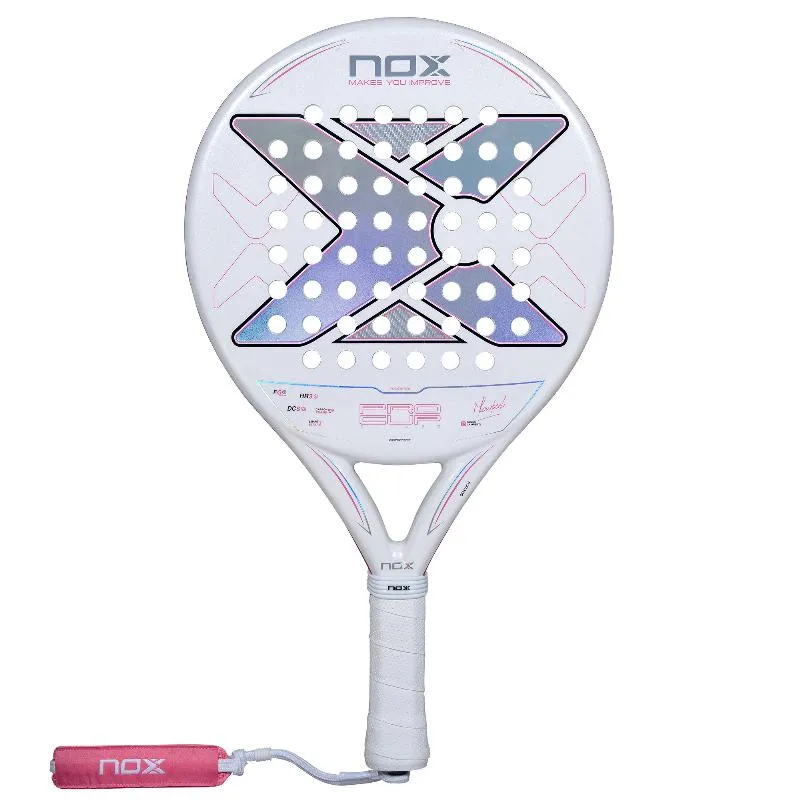
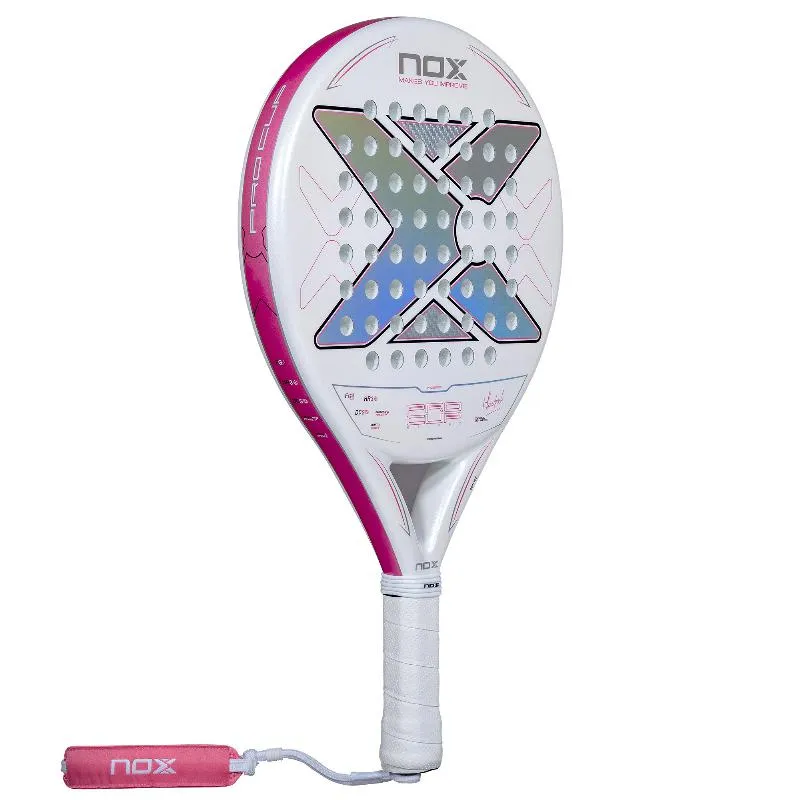
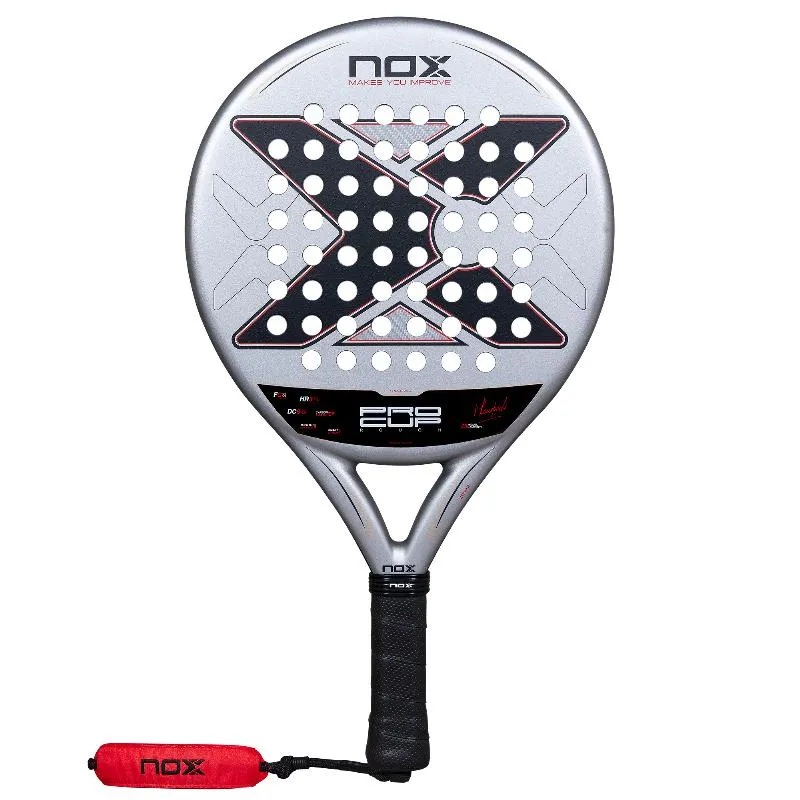
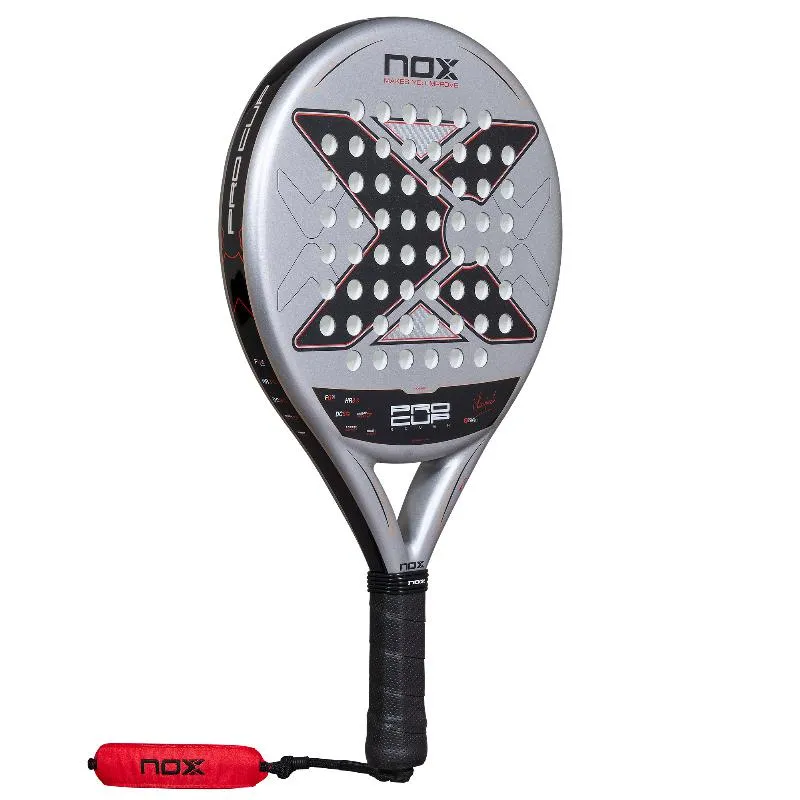
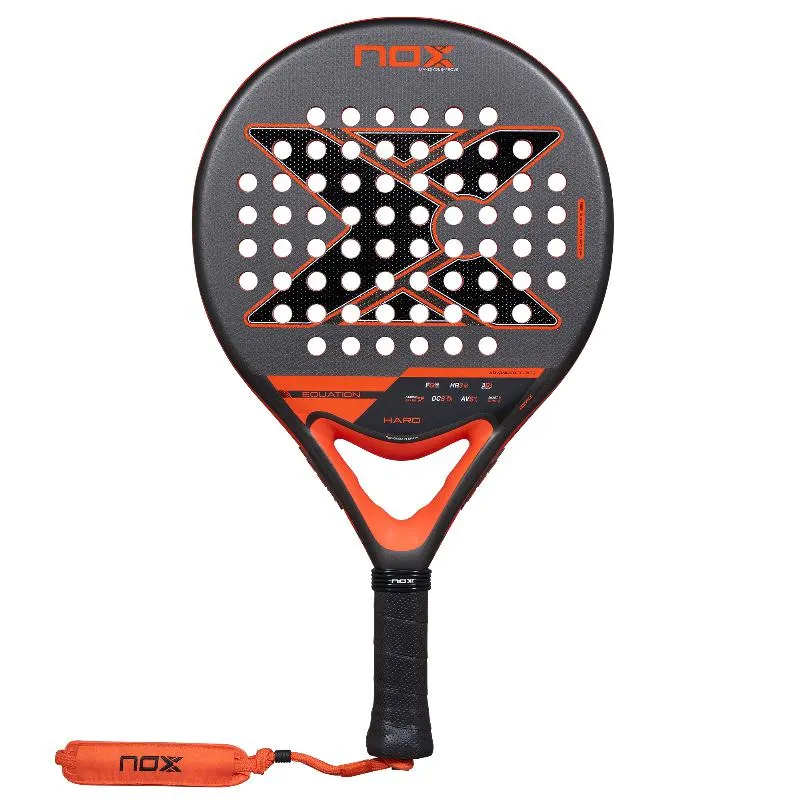
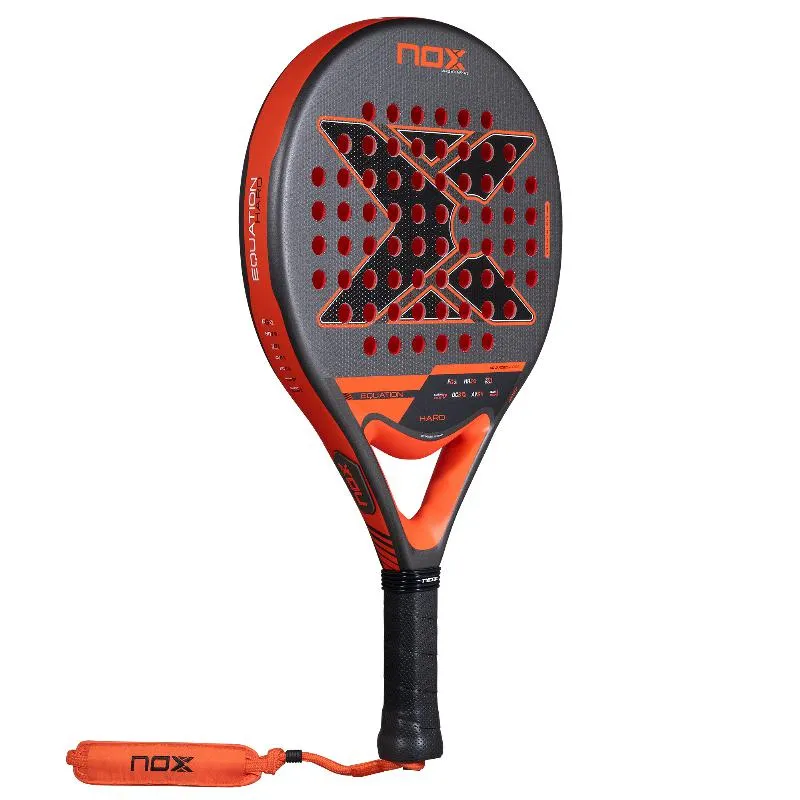
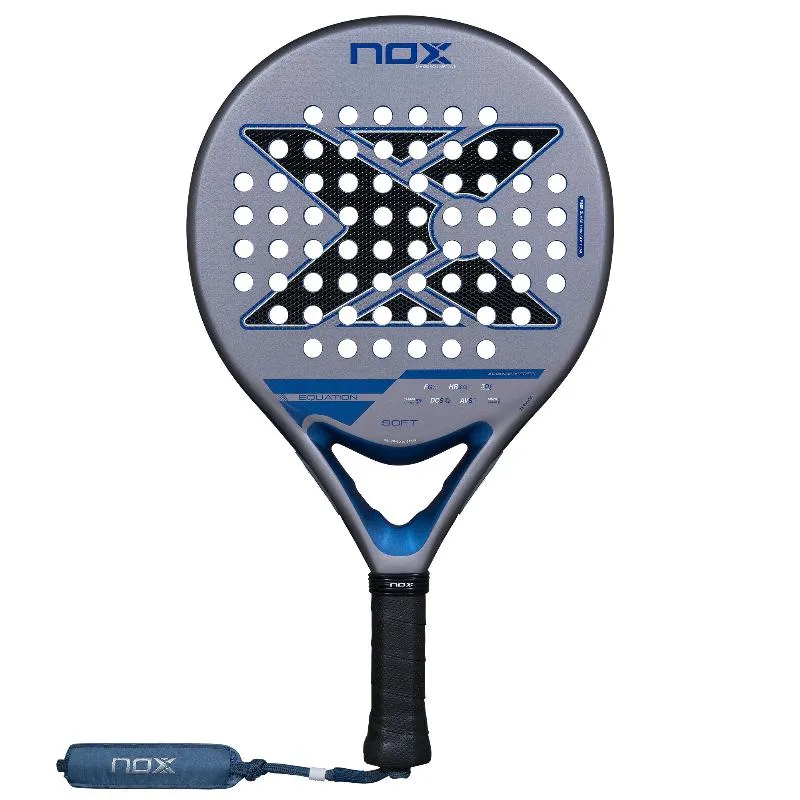
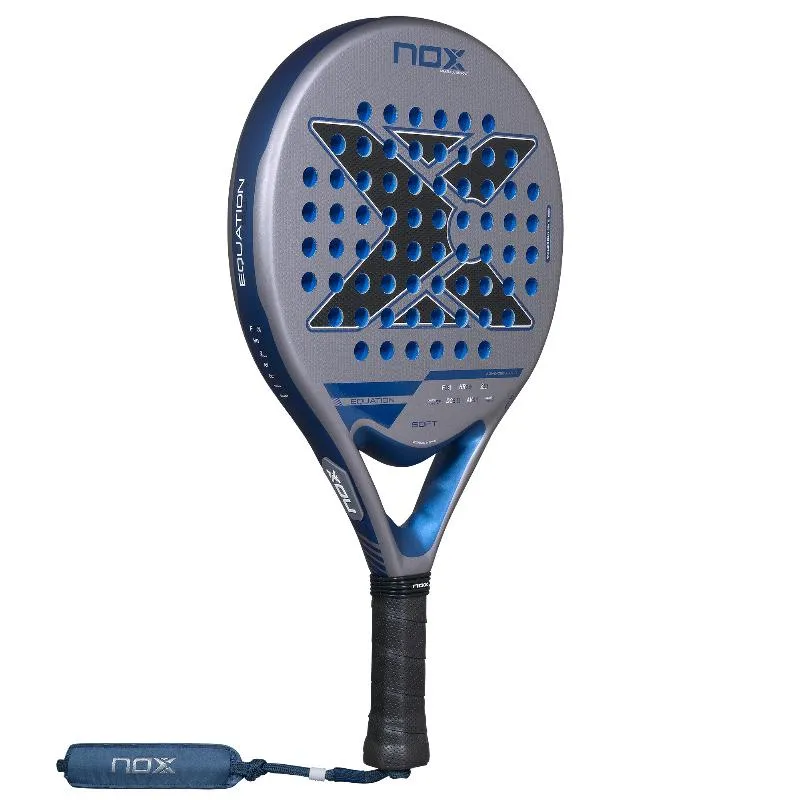
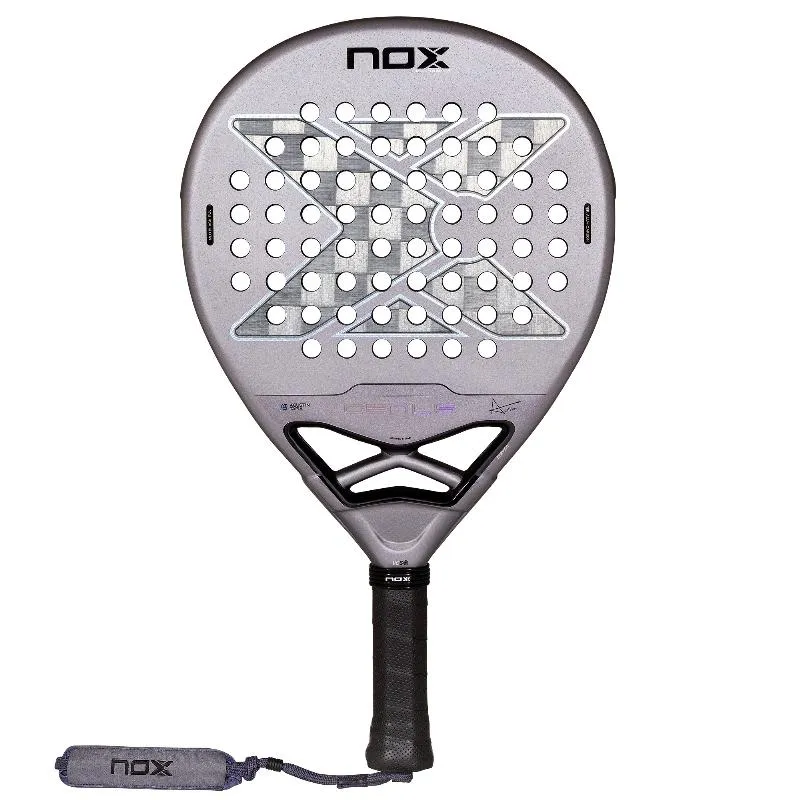
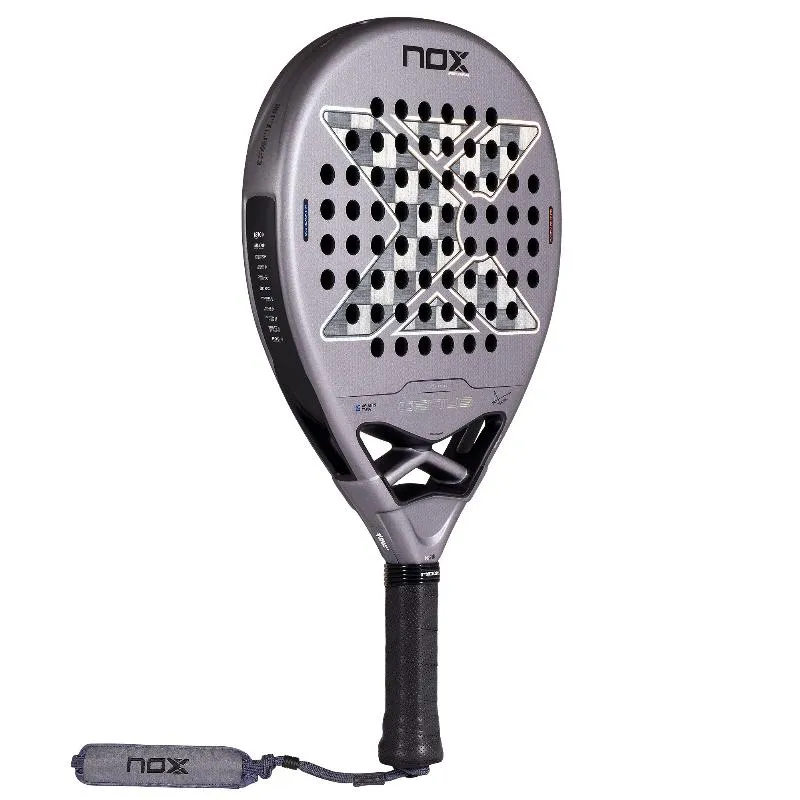
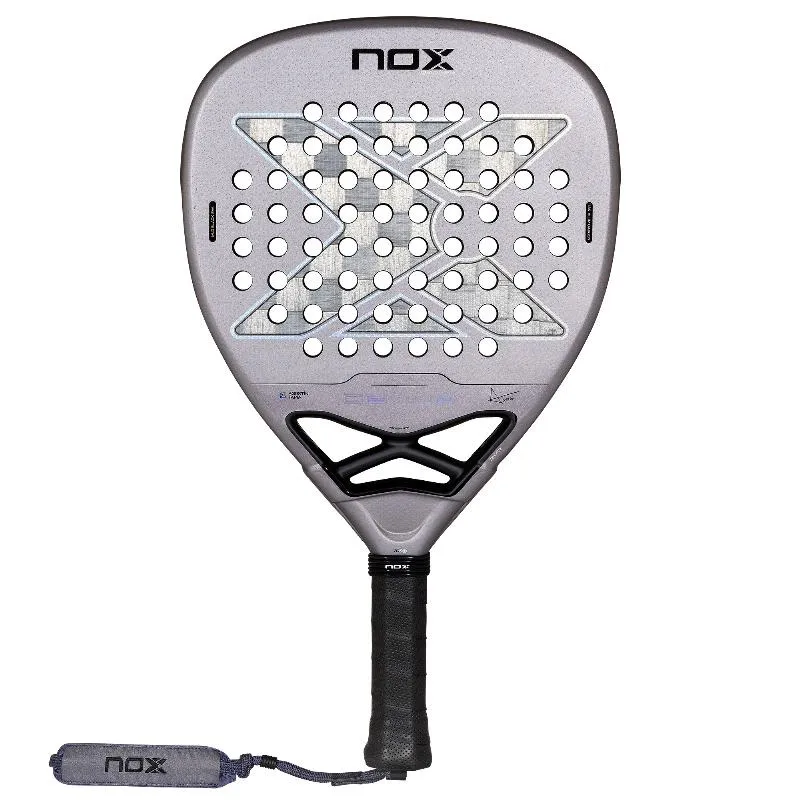
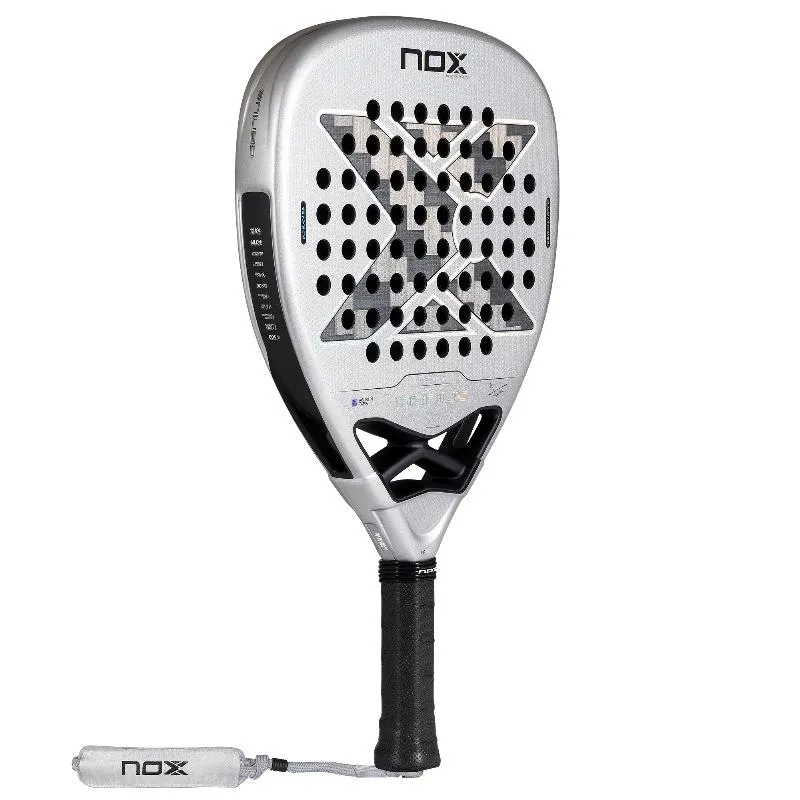
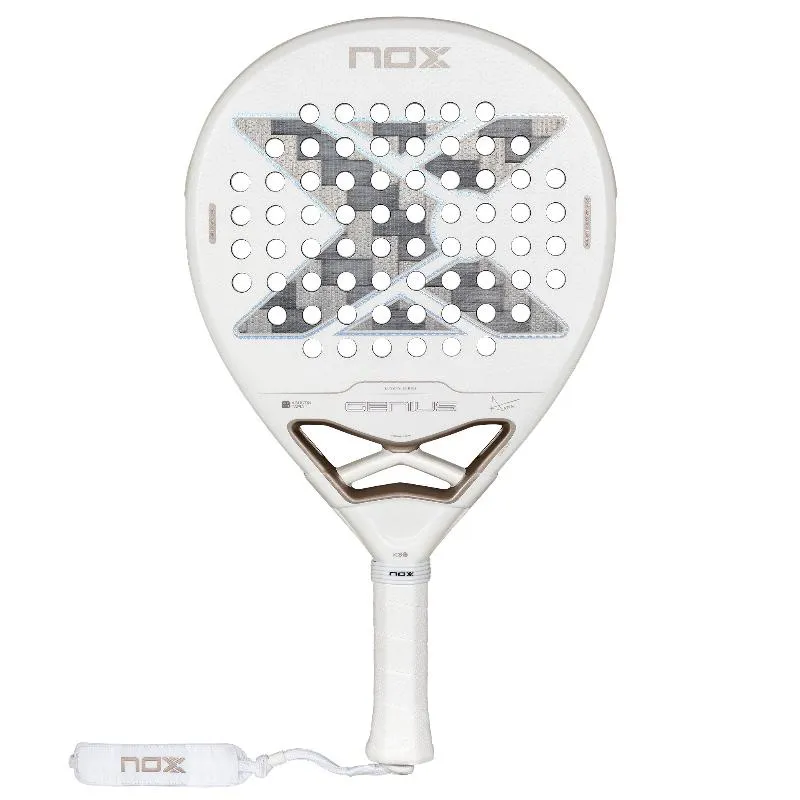
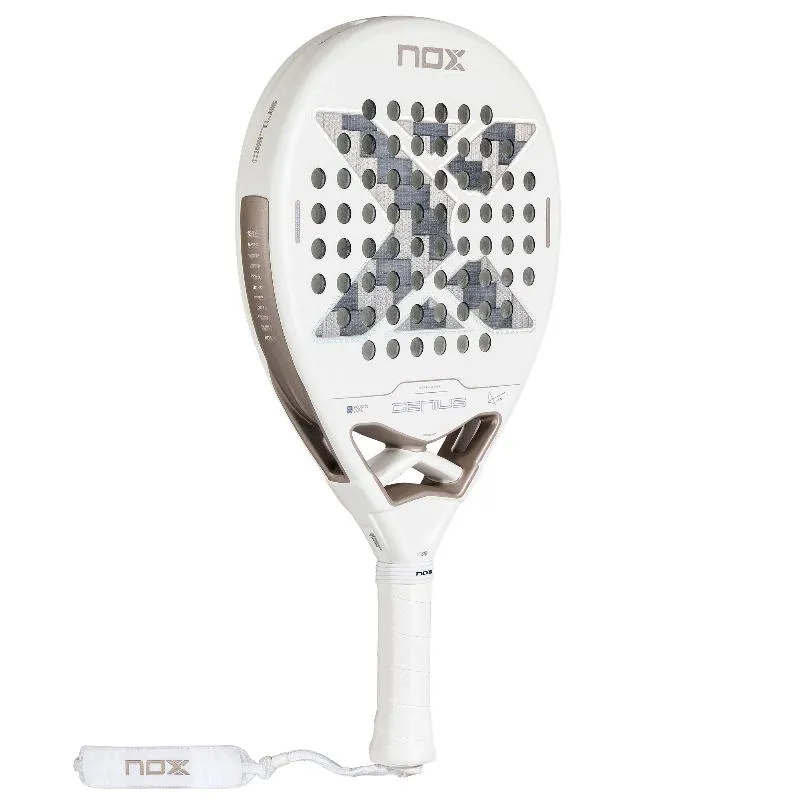
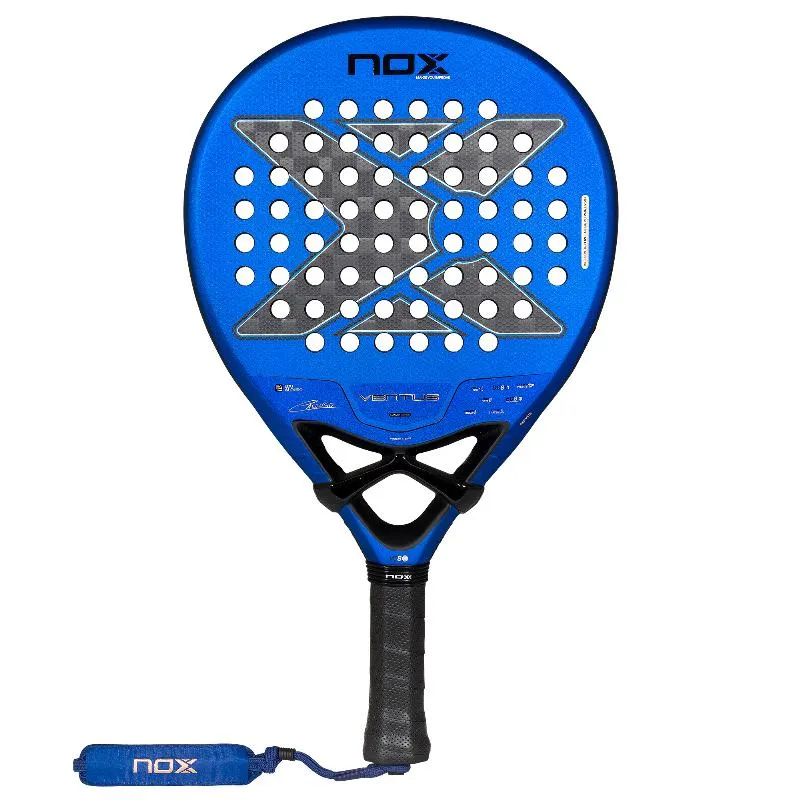
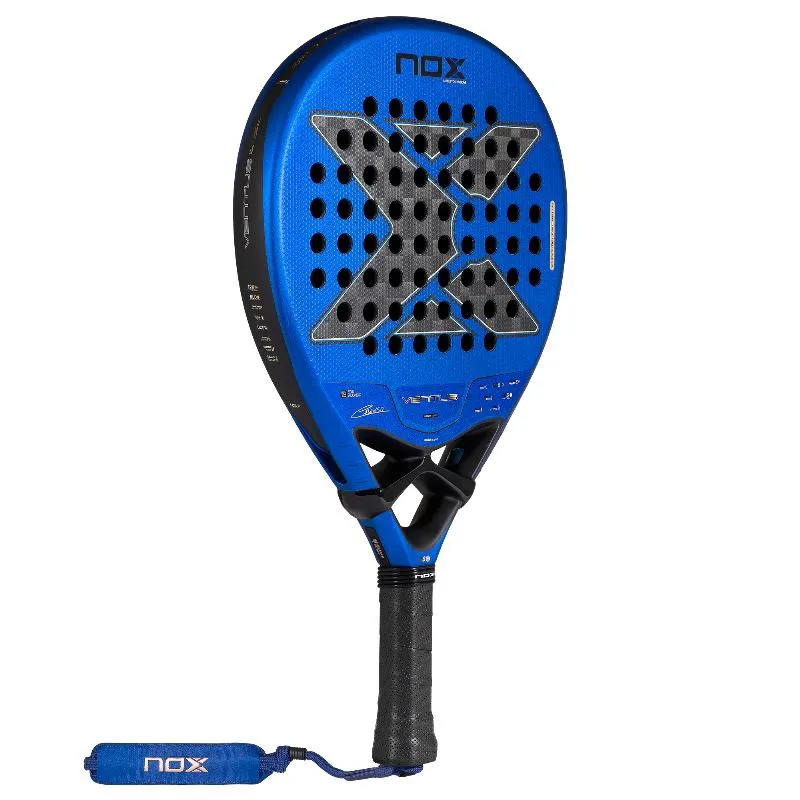
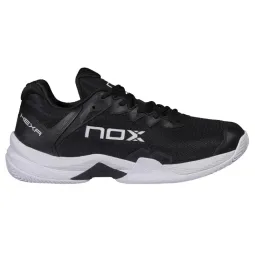
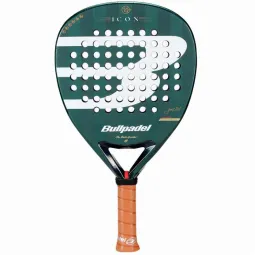
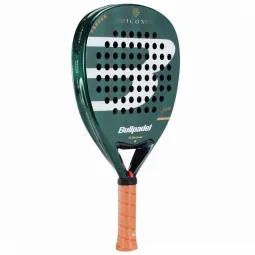
Collaborating with recognized brands such as Bullpadel or Nox, as well as with organizers of padel events and tournaments in the area, can reinforce the wholesaler's image and increase the visibility of their assortment. In addition, these alliances allow access to exclusive products and special promotions, increasing the attractiveness of the offer for regional customers.
How to evaluate the return on segmentation?
To measure the effectiveness of assortment segmentation, it is essential to establish performance indicators, such as inventory turnover, customer satisfaction level and market share achieved in each area. Continuous monitoring and the ability to adjust the catalog according to results are key to maintaining a competitive and relevant offer.
Ultimately, the padel wholesaler who thoroughly analyzes demographic, climatic, competitive and trend factors in each area can create an adapted assortment that boosts sales and customer satisfaction.
Padel Guide: Technical Knowledge and Experience Applied to the Game
tiendapadelpoint · Authority in padel, equipment and performance @ Copyright 2026