













































































Guia de Padel - PadelPoint
How Professional Players Choose Shape and Balance According to Their Tactical Style
How Professional Players Choose Paddle Shape and Balance According to Tactics
The art of selecting the right padel racket is a science for professional players. They seek not only the highest quality in materials and technologies but also analyze in detail the shape and balance of the racket to adapt it to their tactical style on court. The right choice can enhance strengths, compensate for weaknesses, and make the difference in decisive matches. Below, we explore how top players make this key decision, with practical examples and recommendations for top products and categories on the market.
The Importance of Paddle Shape in Professional Padel
There are three main paddle shapes: round, teardrop, and diamond. Each offers unique advantages:
- Round: Greater control, wide sweet spot, recommended for defensive or precision players.
- Teardrop: Balance between power and control, preferred by versatile players.
- Diamond: Maximum power, sweet spot towards the top, ideal for offensive players.
Professionals analyze their own game and, depending on whether they prioritize control, power or versatility, choose a specific shape. For example, those seeking to dominate the net and finish points go for diamond-shaped paddles, while defensive experts prefer round models.
What Paddle Balance Do Professionals Choose to Boost Their Game?
Balance refers to how the weight is distributed in the paddle:
- Low balance: Weight toward the handle, greater maneuverability and control.
- Medium balance: Balance between control and power.
- High balance: Weight toward the head, more power.
Professional players, like those who set trends in Looks Premier Pádel, usually prefer a balance according to their style: defenders and control players choose low balance, while attackers and finishers pick high balance. However, many alternate between medium and high balance to maintain versatility and surprise their opponents.
Personal and Tactical Factors in the Choice
The choice depends not only on style but also on factors such as fitness, technique, and court surface. For example, a player who is agile but less strong may go for a medium balance to maintain maneuverability, while a finishing specialist prefers a high balance.
How Do Professionals Adapt Shape and Balance to Different Opponents and Surfaces?
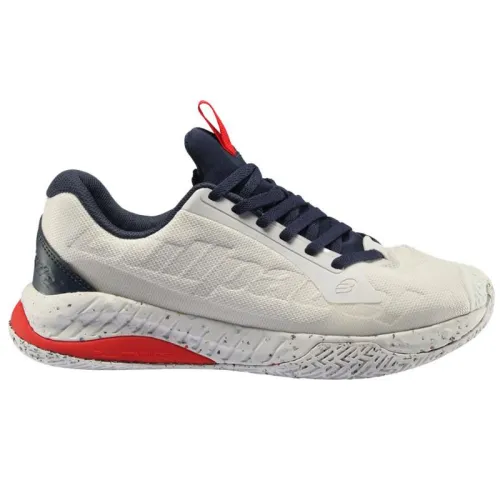
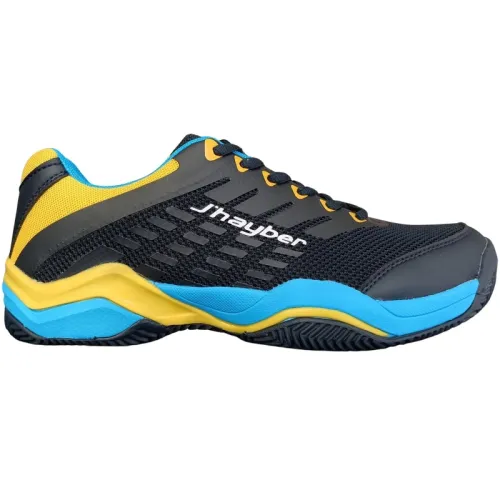
Professionals do not always use the same paddle in every match. In tournaments with faster surfaces, they may choose paddles with more control to avoid errors. Conversely, on slow courts, they seek models with more power and high balance to compensate for loss of speed. Here, the versatility of categories like Zapatillas Pádel New Balance HOMBRE becomes important, as footwear also influences movement and overall tactical response.
The Role of Experience and On-Court Testing
Many professionals test different combinations before deciding. Evaluating the feel in hand and actual performance in high-level matches is essential. Leading brands work with players to perfect specific models, as with ROYAL PADEL paddles, which offer personalized options according to each tactical profile.
Which Products Stand Out Among Professionals for Adaptability to Different Styles?
Today, there are products that stand out for their versatility and advanced technology, adapting to different tactical styles and professional needs. Recommended examples include:
- The Polo Wilson Bela Seamless Negro, ideal for those seeking performance and comfort on court.
- The Babolat Juan Lebron Vapor Gray Jacket, a benchmark in elite player equipment.
- The Bullpadel Tomin Caviar meshes, perfect for intense training and agile movements.
- The Bullpadel Naos Teal Gray Sweatshirt, providing comfort in physical preparation sessions.
- The Bullpadel Premier Padel Portoa Black Junior Skirt, an example of innovation for young talents.
These products, along with state-of-the-art paddles and shoes, are part of the arsenal of professionals seeking to optimize every detail of their game.
Practical Tips for Players Aspiring to Professional Level
- Objectively analyze your playing style and tactical needs.
- Test different shapes and balances in demanding training sessions.
- Consult specialists and take advantage of the experience of leading brands and established players.
- Don't underestimate the rest of the equipment: clothing, shoes, and accessories influence overall performance.
How Does Player Evolution Influence the Choice of Shape and Balance?
Progression in padel requires periodically reviewing paddle configuration. As more experience and skills are acquired, a player who started with a round paddle and low balance may evolve to a teardrop or diamond shape with medium or high balance. Adapting the paddle to tactical and physical evolution is key to remaining competitive on the professional circuit.
The Future of Customization in Professional Padel
Trends point to greater customization, with technologies that allow adjustment of paddle balance and shape in real time. This will enable professional players to adapt even better to the tactical challenges of each match, optimizing their performance based on opponent, surface, and season moment.
In short, the professional choice of paddle shape and balance is a dynamic, strategic, and highly personalized process, backed by experience, analysis, and technological innovation in the sector.
