








Guia de Padel - PadelPoint
Differences between short and deep bandeja in padel
Real comparison between short and deep bandeja in padel
In padel, mastering the bandeja technique is essential for controlling the net and making it harder for your opponents to counterattack. However, there are two main variants: the short bandeja and the deep bandeja. Understanding their differences and knowing when to use each will make a difference in your game level. Below, we dive into both options, analyzing their features and strategic applications so you can decide when it's best to use each one in your matches.
Key differences in bandeja execution
The short bandeja is characterized by a shot close to the net, aiming for the ball to drop soon after crossing, forcing the opponent to move forward and thus out of position. In contrast, the deep bandeja involves a more powerful shot directed towards the back of the opponent's court, pressuring the opponent and keeping them in their defensive zone.
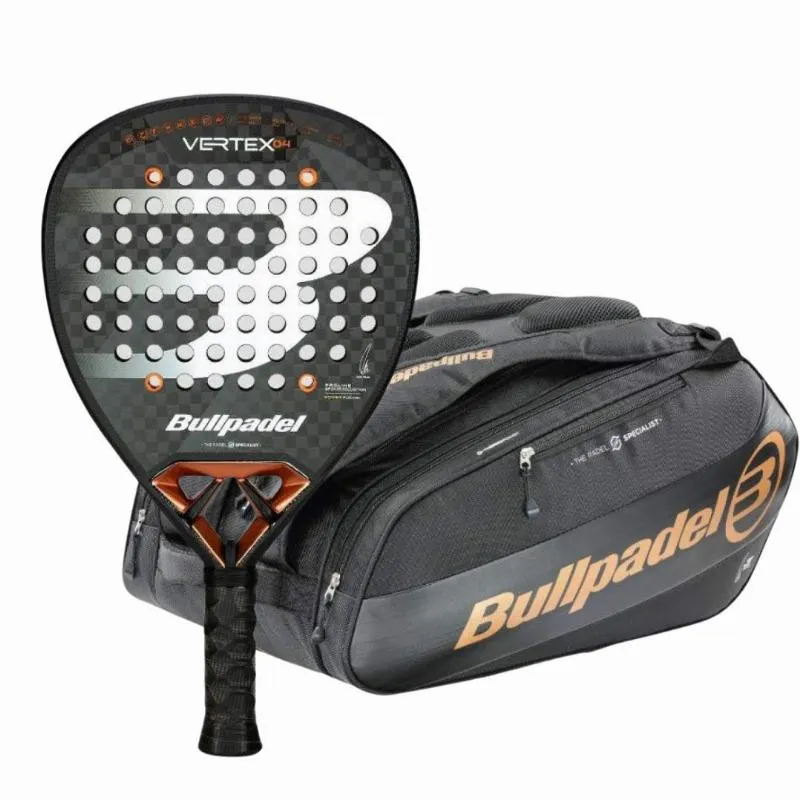
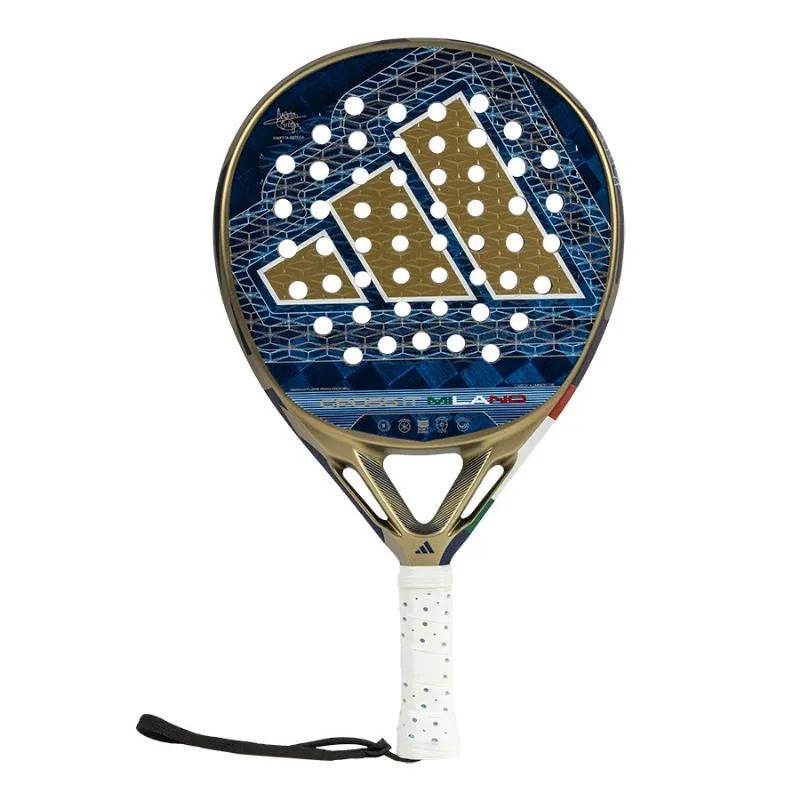
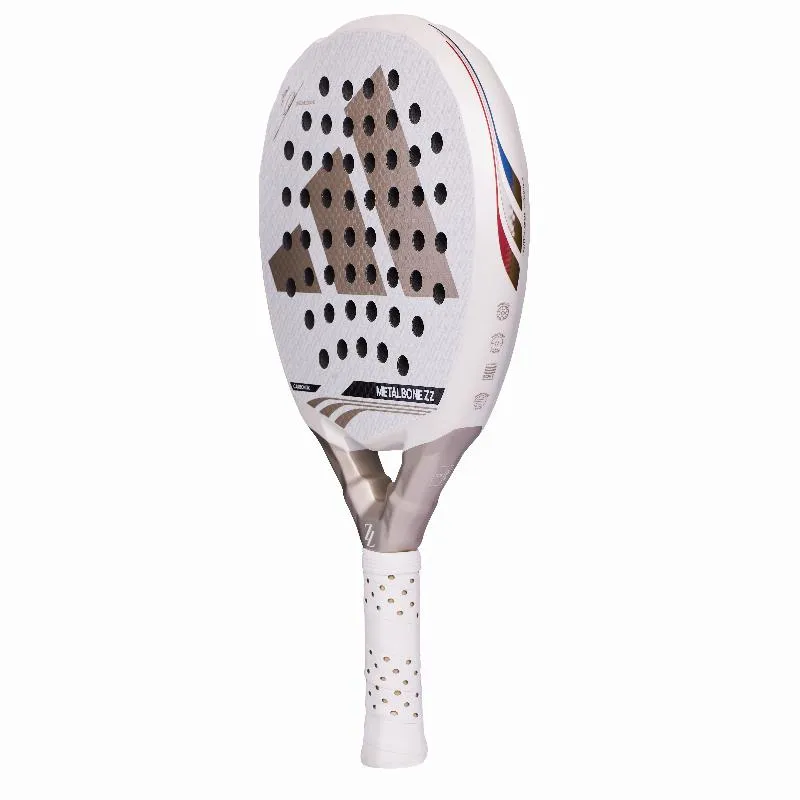
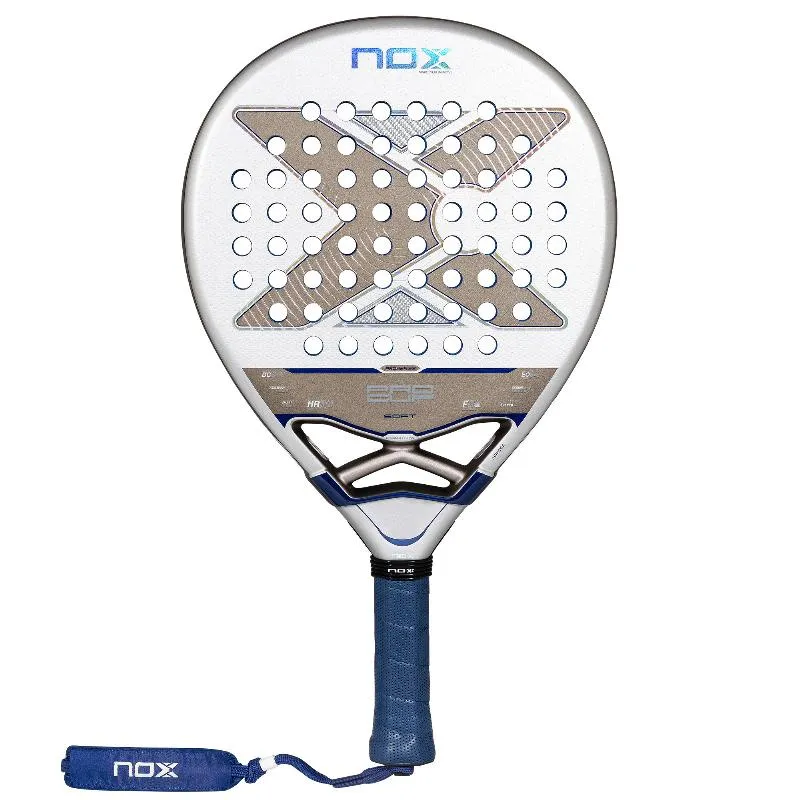
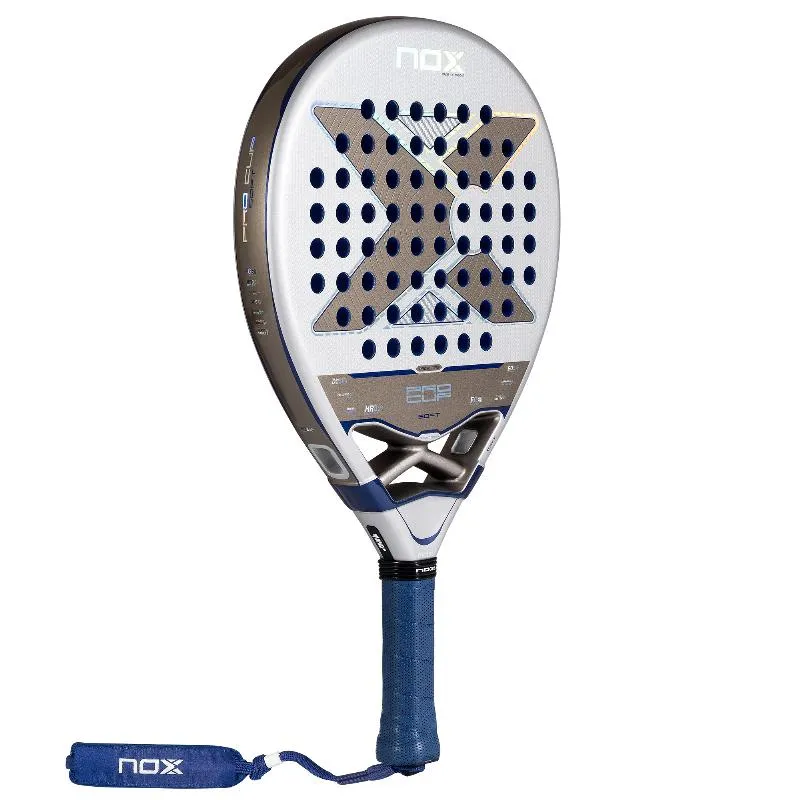
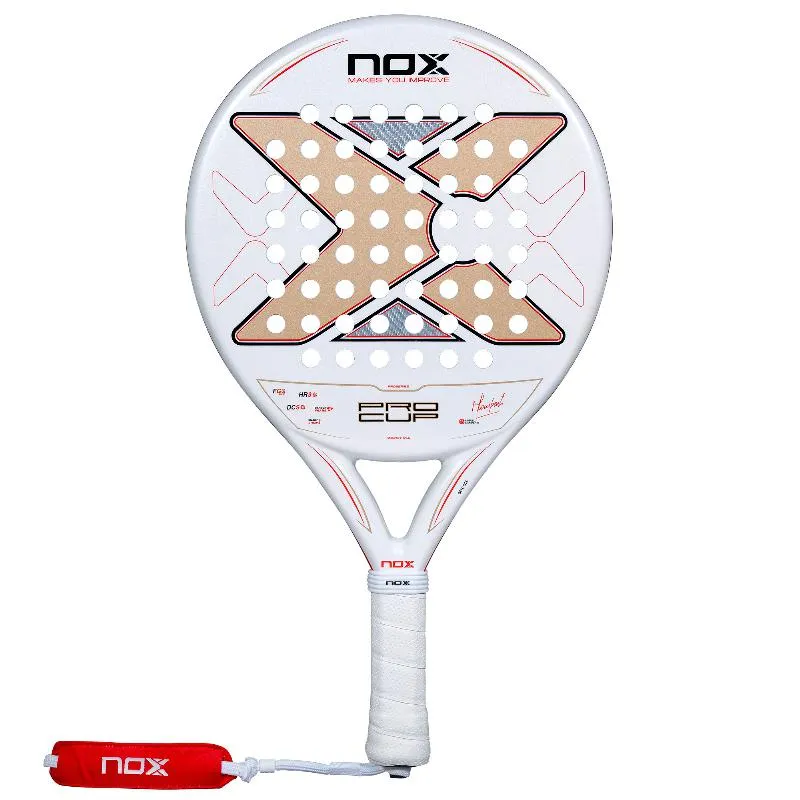
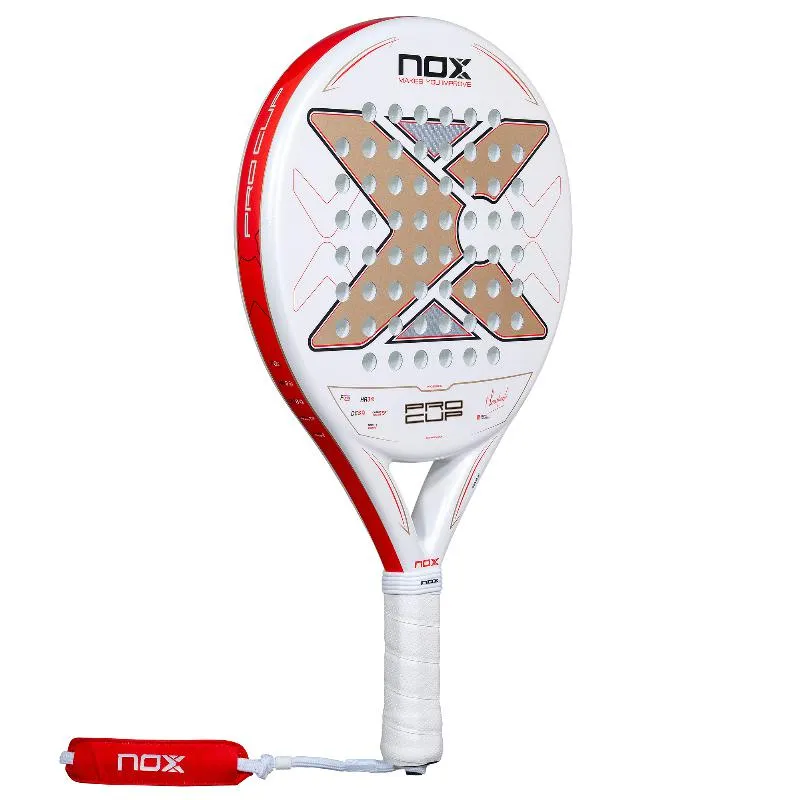
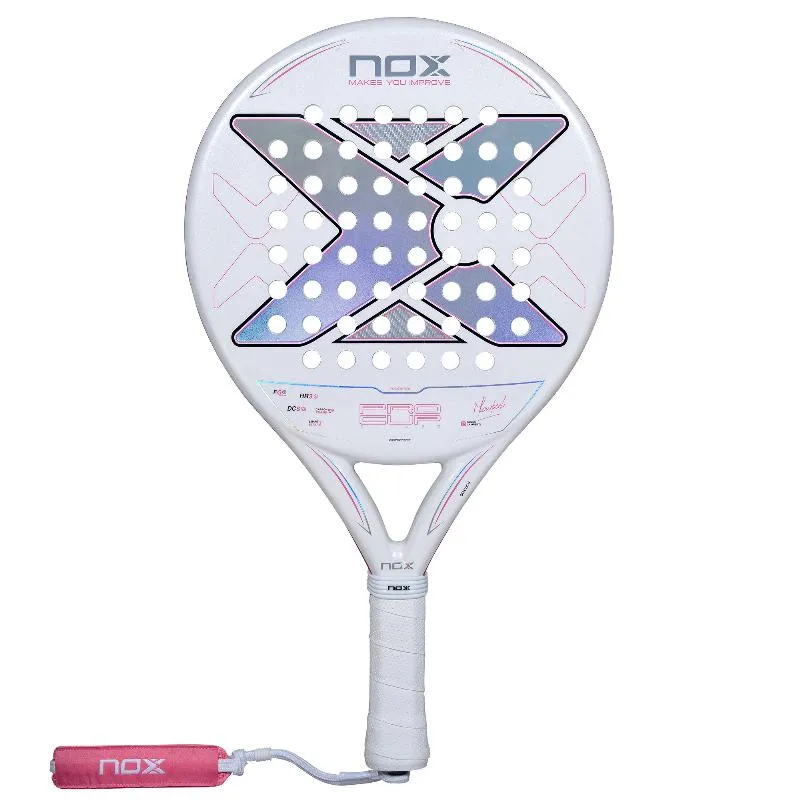
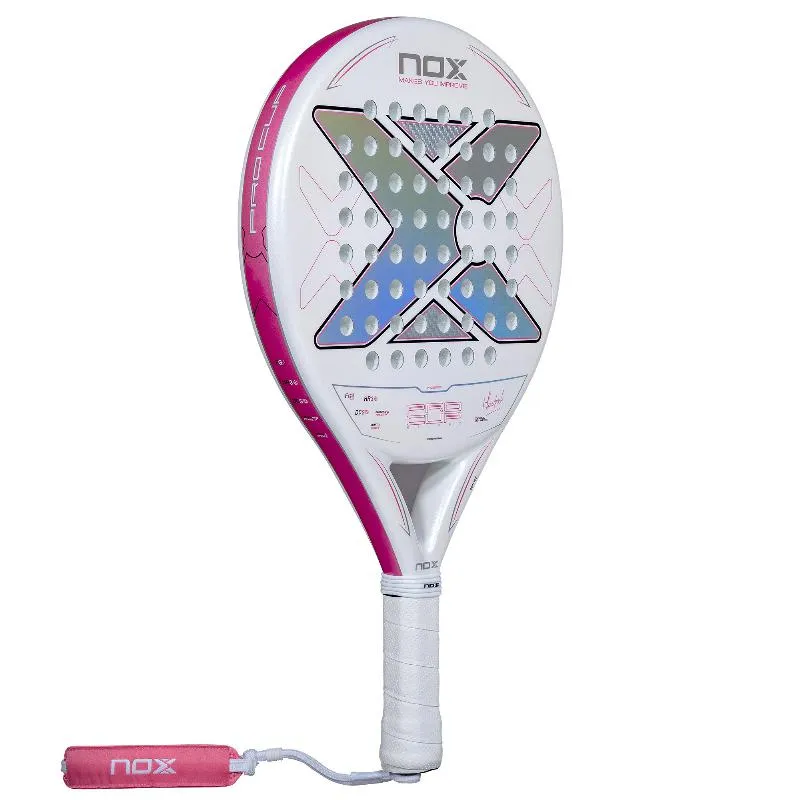
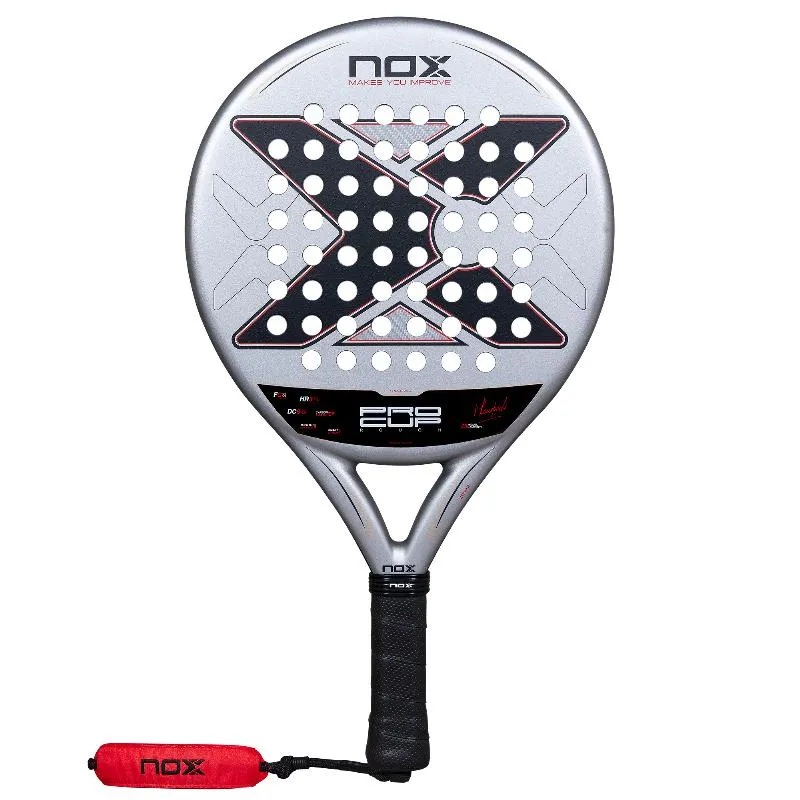
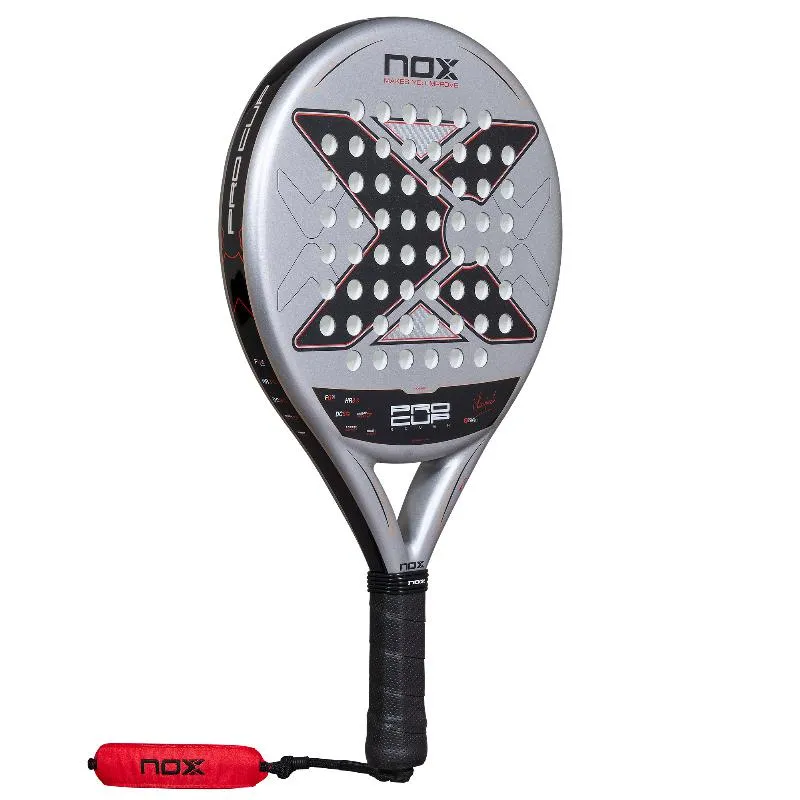
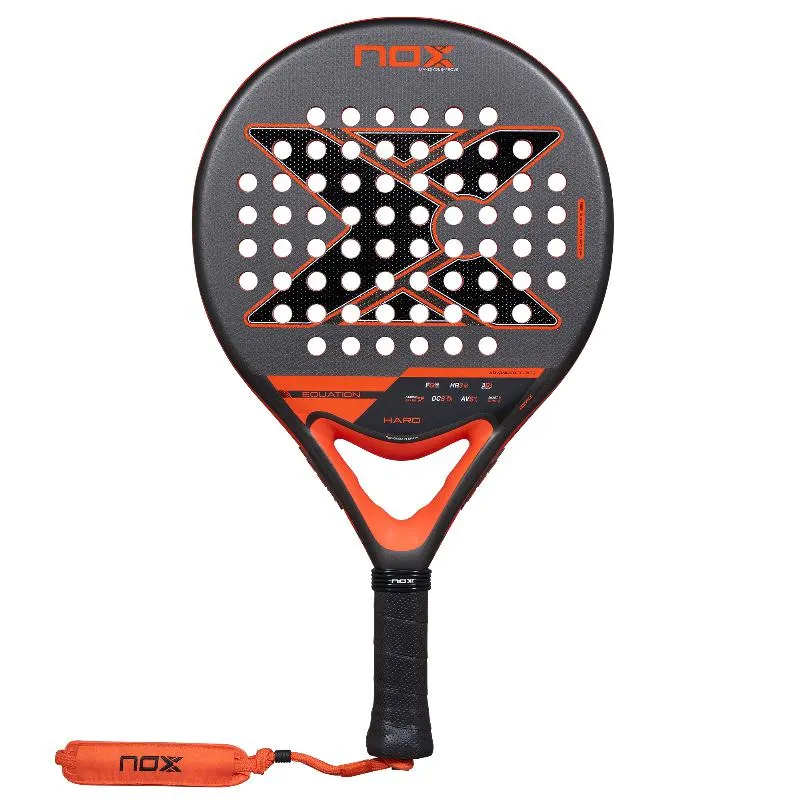
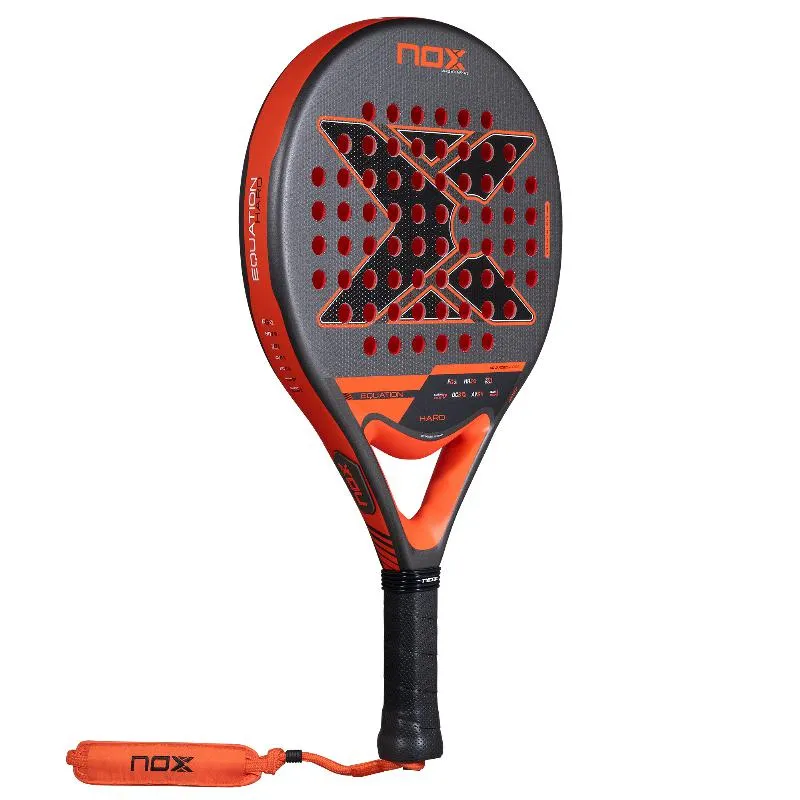
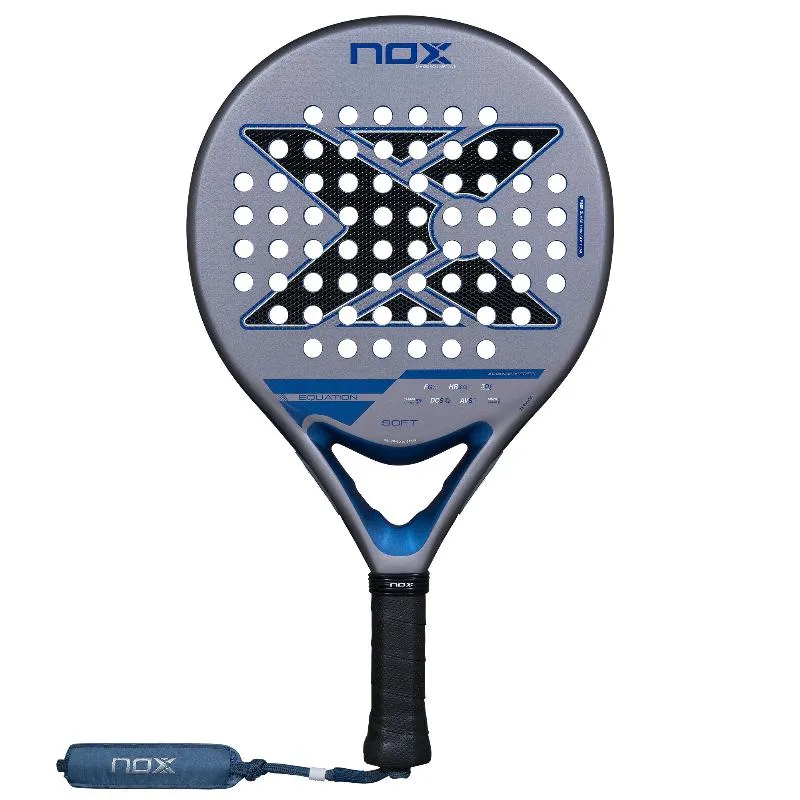
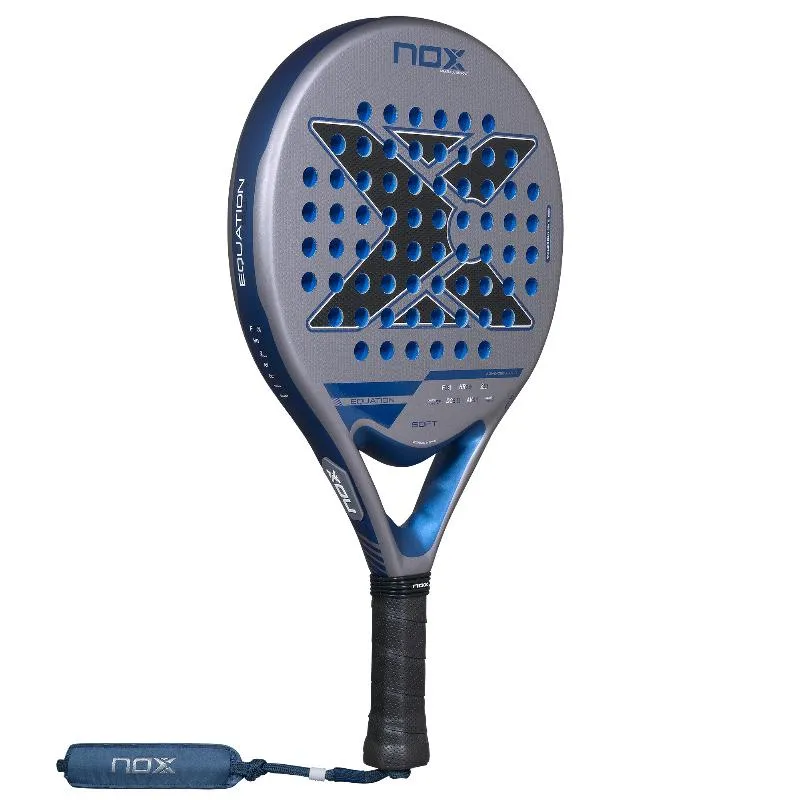
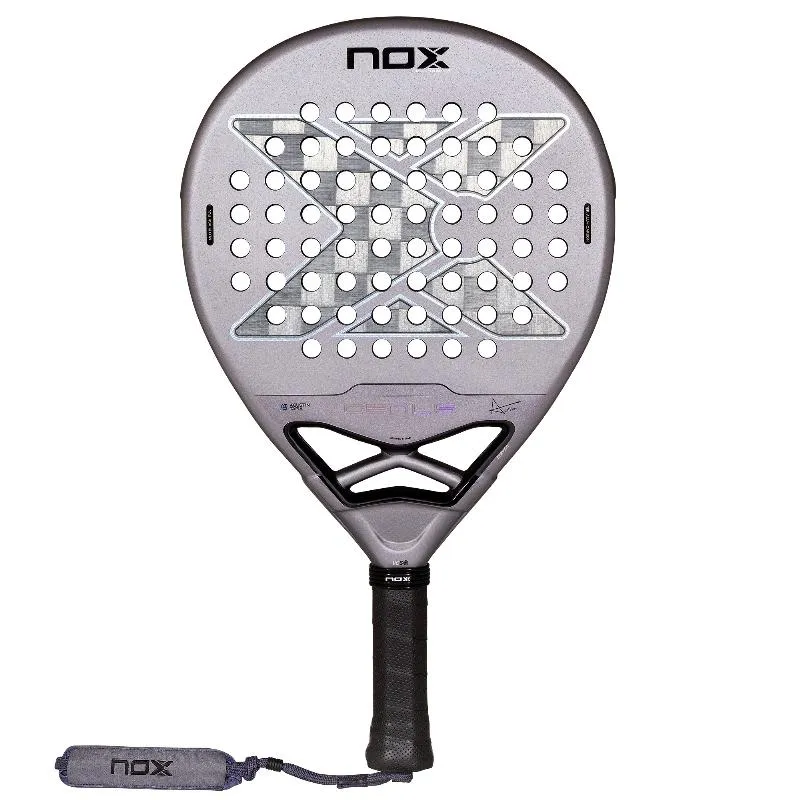
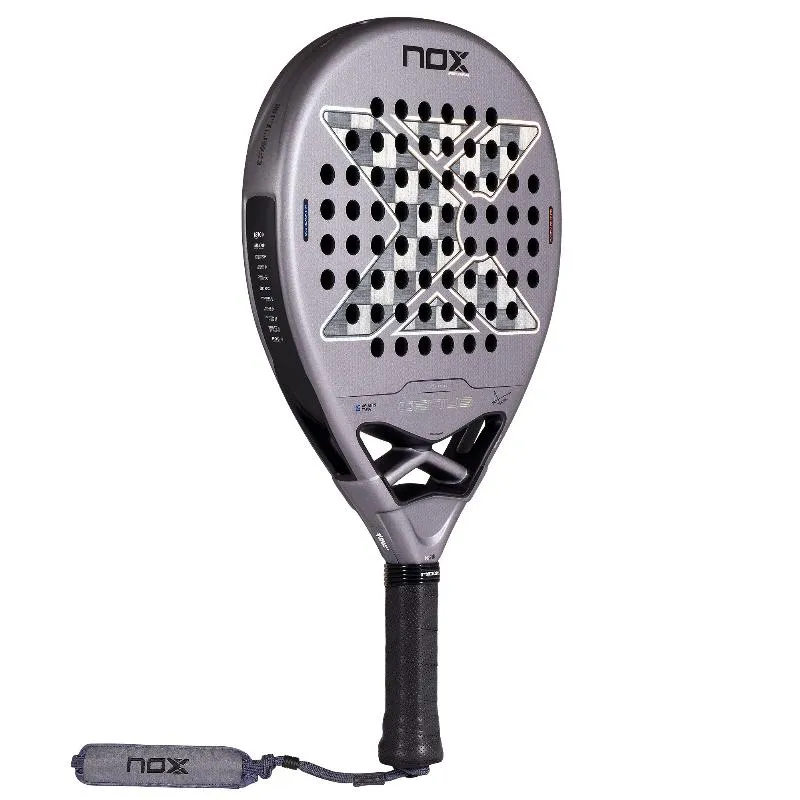
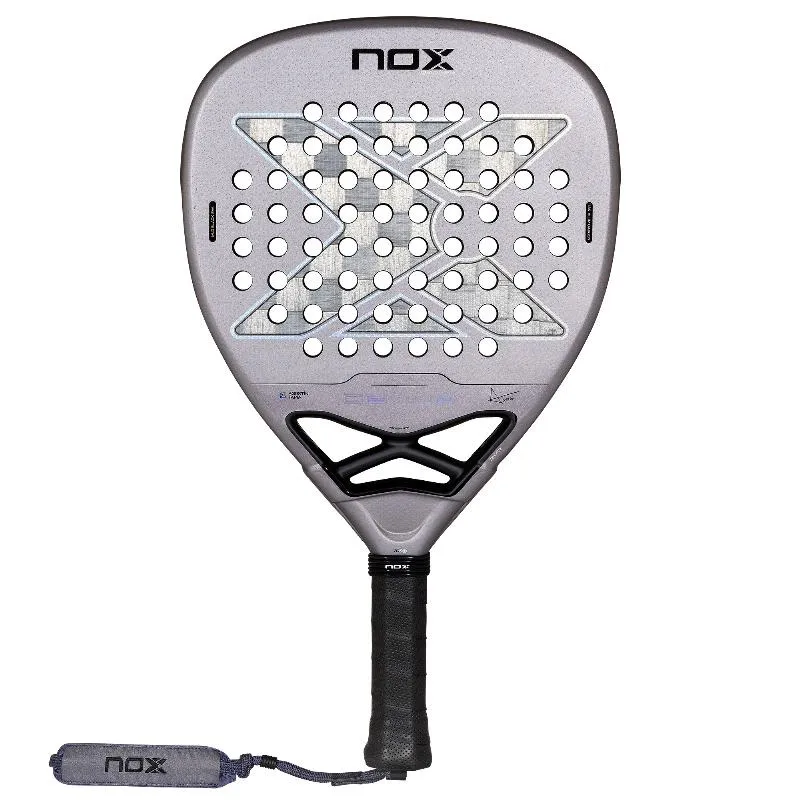
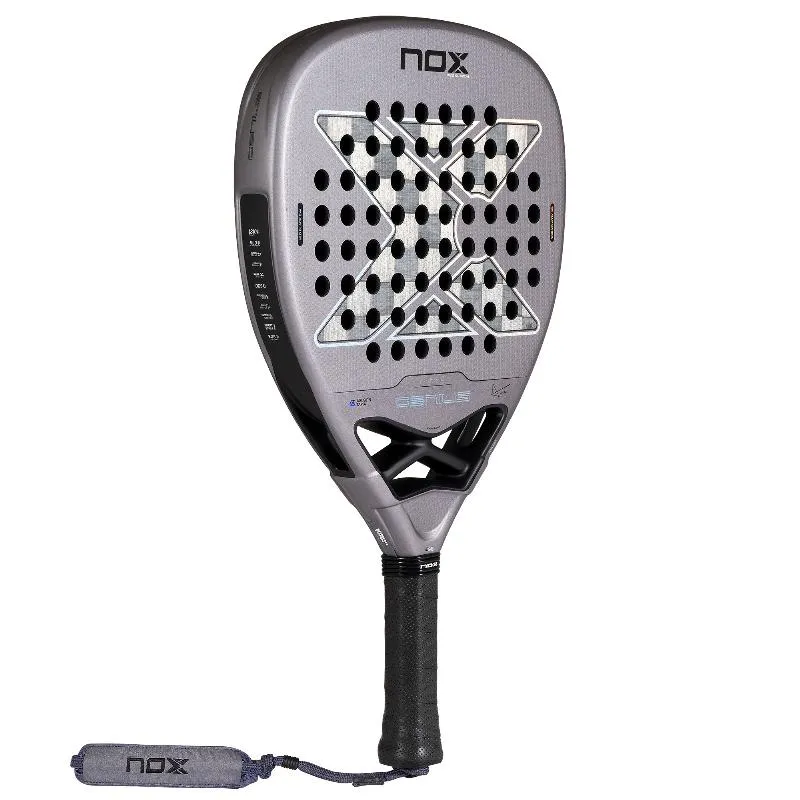
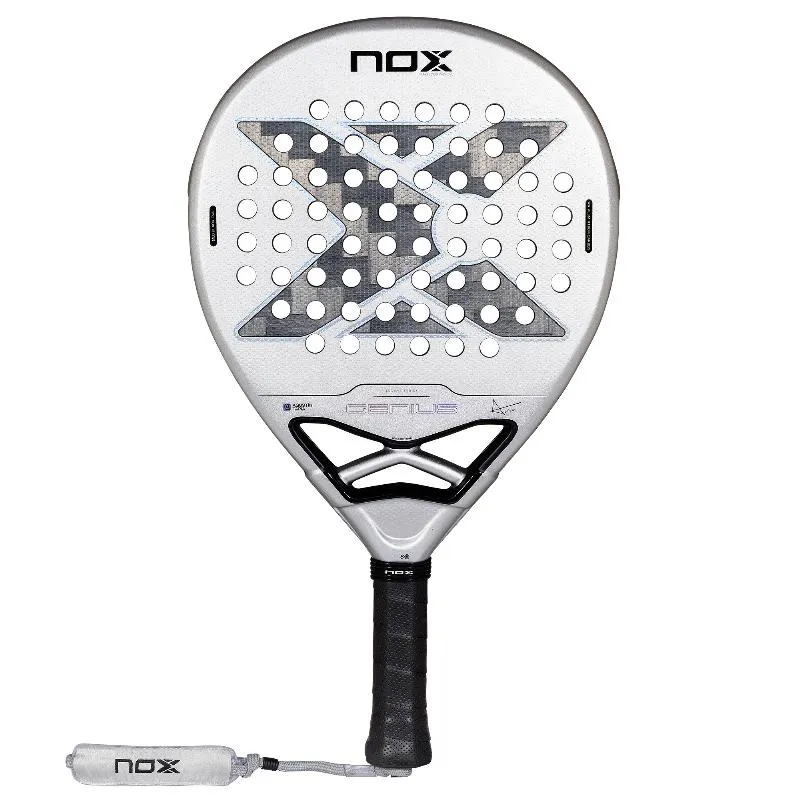
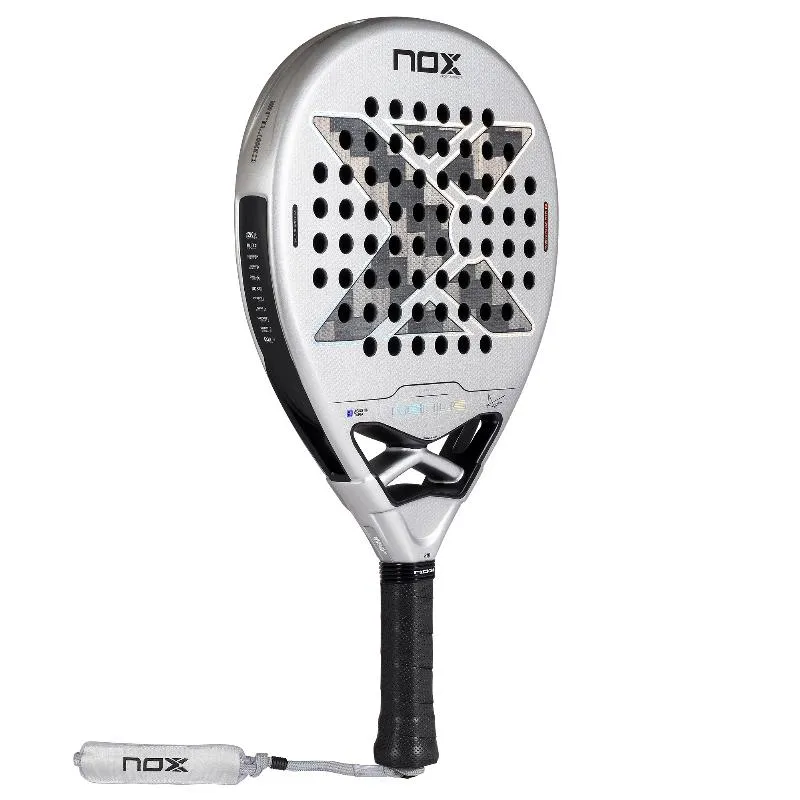
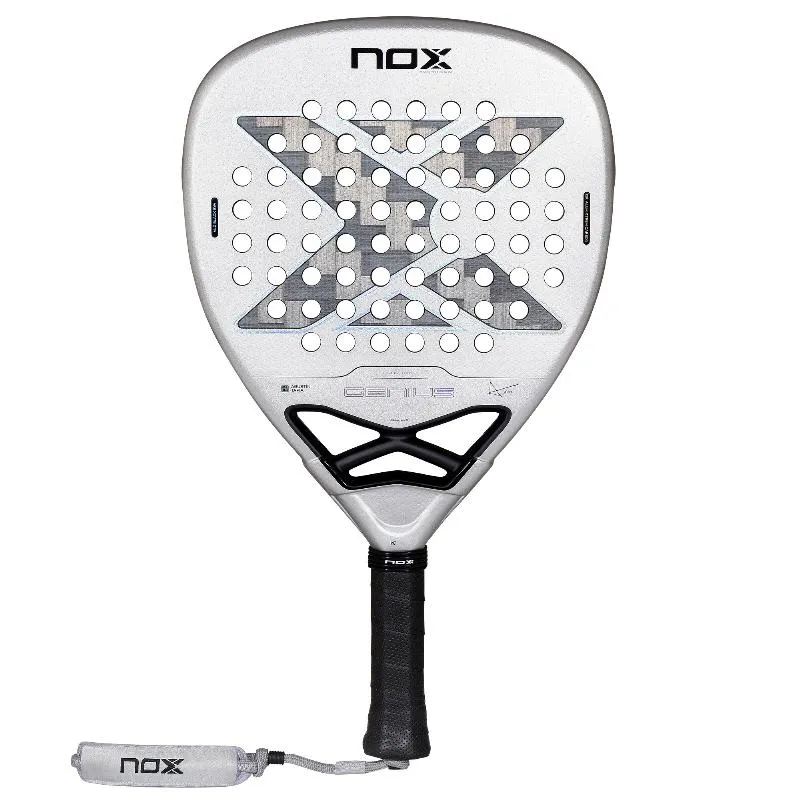
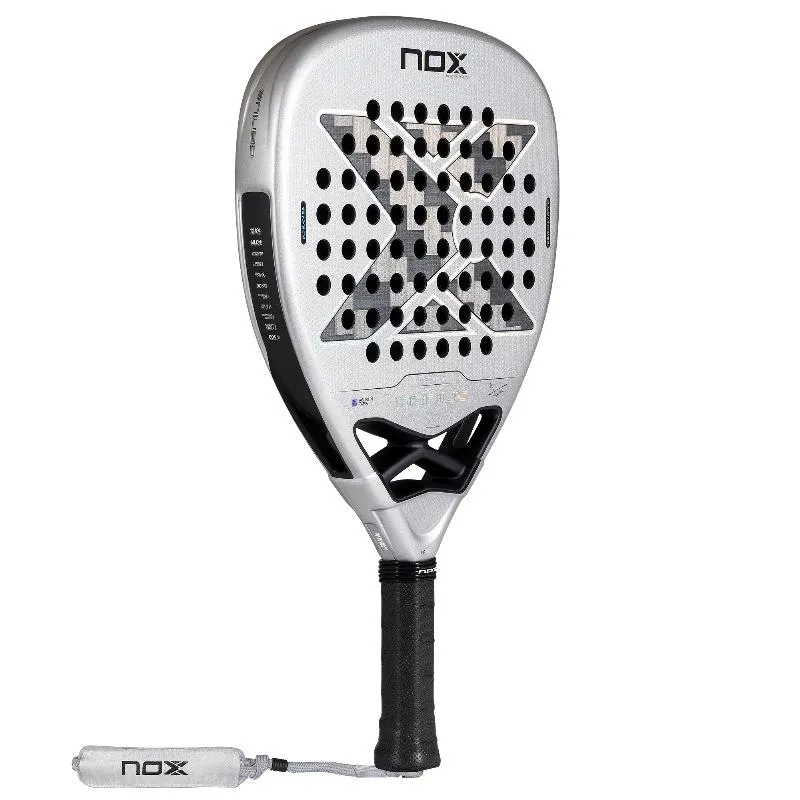
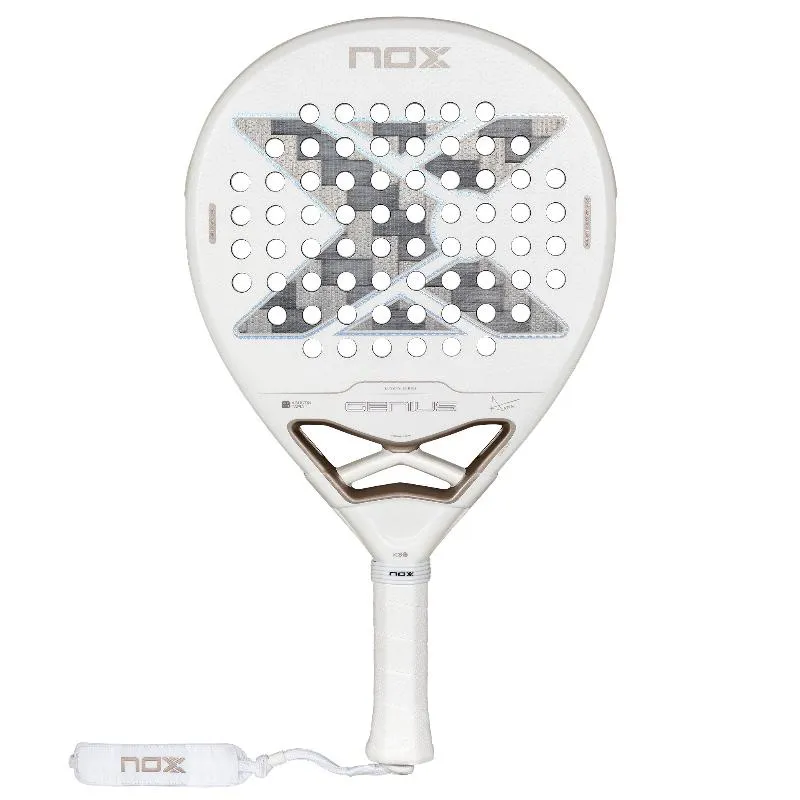
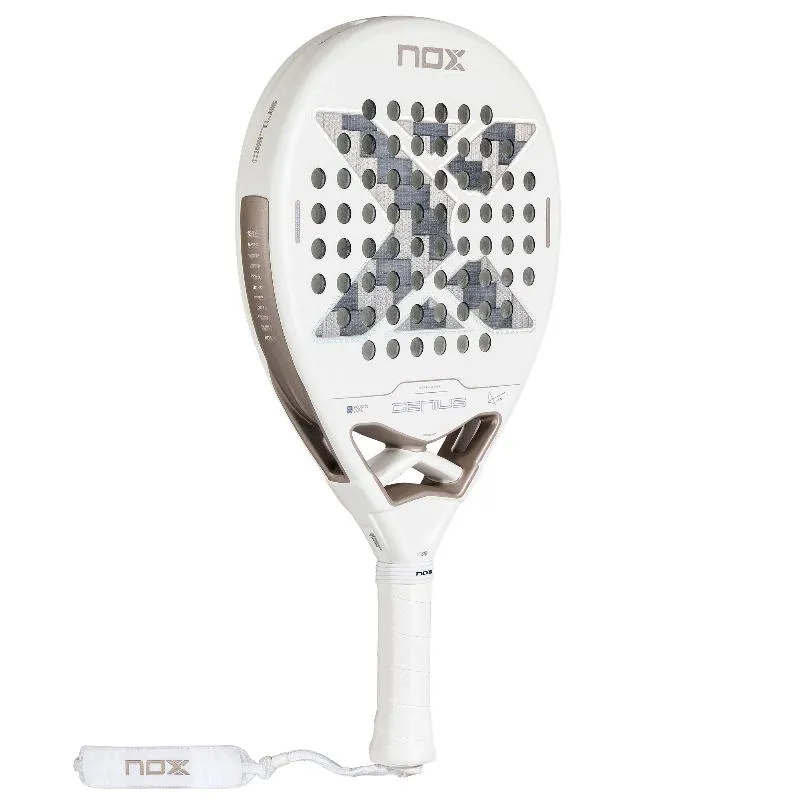
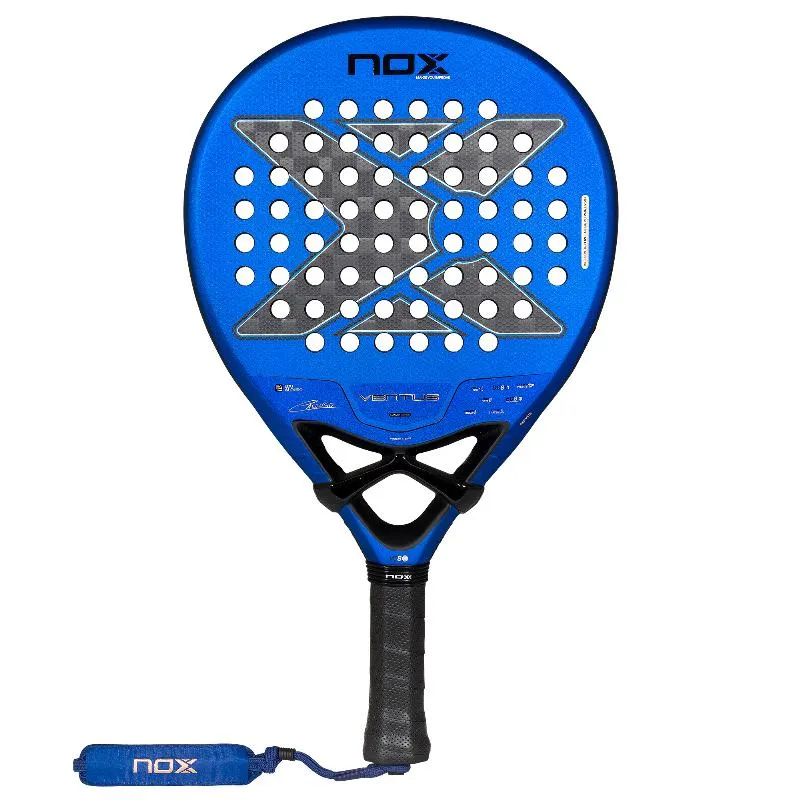
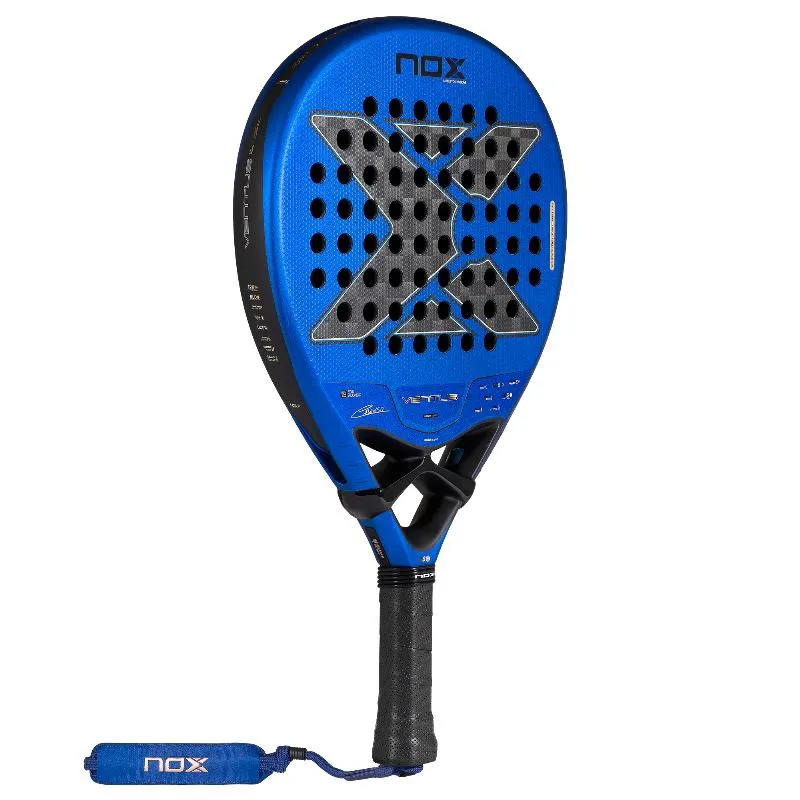
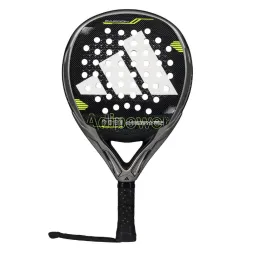
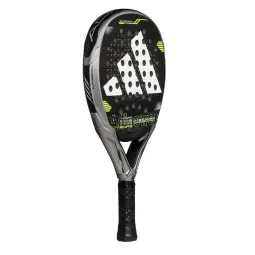
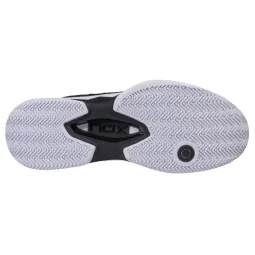
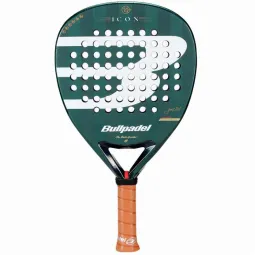
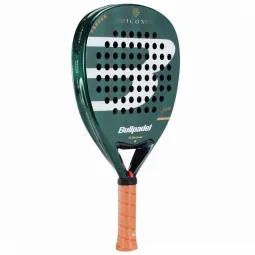
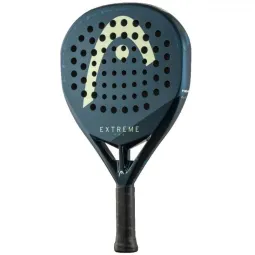
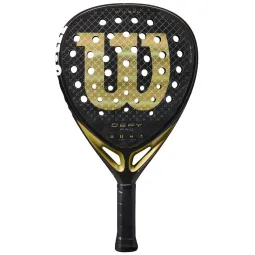
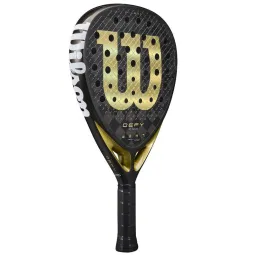
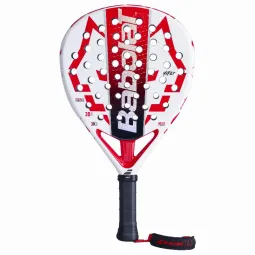
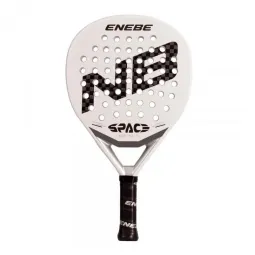
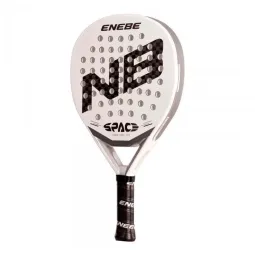
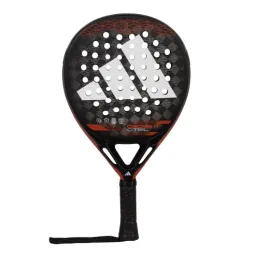
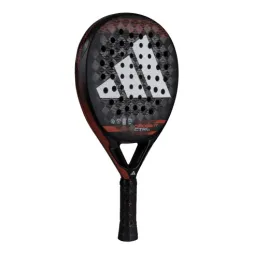
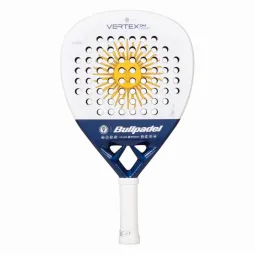
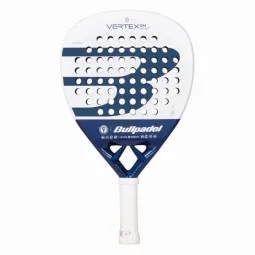
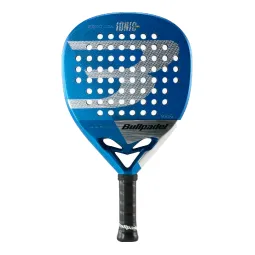
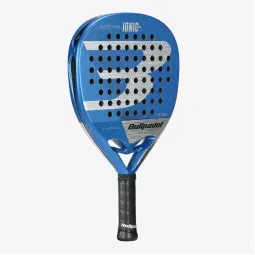
When choosing the right padel racket, the decision between short and deep bandeja can also depend on the type of racket you use, as different brands such as Adidas, Bullpadel, or Nox develop models designed to enhance control or power as needed.
What factors influence the choice of short or deep bandeja?
The main factor in deciding between short or deep bandeja is your opponents' position: if they are advanced or close to the net, the deep bandeja is usually more effective in forcing them back. If they are already at the back, a short bandeja makes them run forward, creating spaces in their defense.
The importance of court positioning
In advanced-level matches, tactical reading is key. If you're on the attack and the opponents hesitate between moving up or staying back, alternating both types of bandeja can destabilize them and create opportunities to finish the point. Additionally, the use of padel accessories such as grips or overgrips can help achieve greater precision in these technical shots.
How to execute each type of bandeja correctly?
The short bandeja requires a compact movement, prioritizing control and spin so that the ball stays low and close to the net. It is important not to hit too hard or high, to avoid an easy attack from the opponent. The deep bandeja requires a broader movement and extra arm acceleration, aiming for the ball to travel fast and deep to the back, preferably near the side or back wall.
Common mistakes in both variants
Many players overuse the deep bandeja, becoming predictable. Alternating with the short one is a smart tactic. Another frequent mistake is not watching the opponents' position before deciding the shot, which can allow them to regain the initiative.
Which rackets and brands enhance bandeja efficiency?
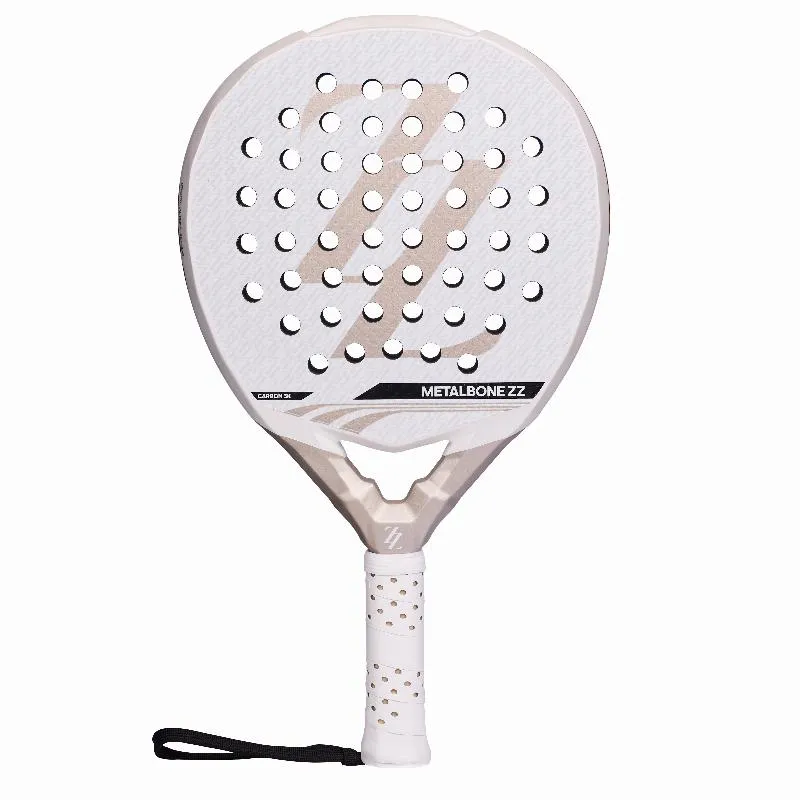
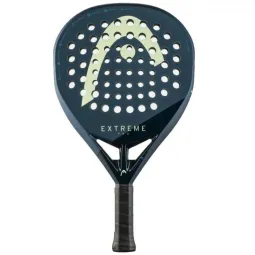
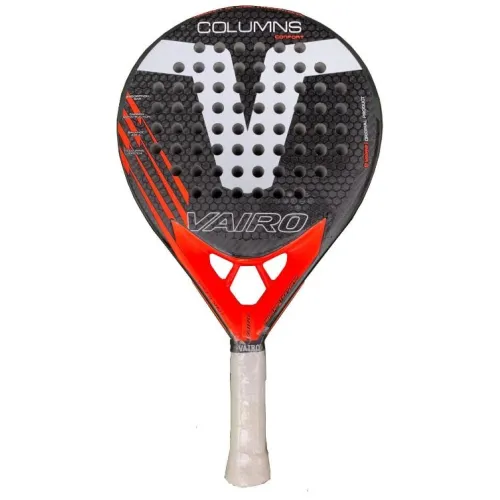
Padel rackets with medium balance and a large sweet spot are ideal for controlling the short bandeja, while more powerful or high-balance models make the deep bandeja easier. At TiendaPadelPoint you'll find leading brands like Bullpadel, Adidas, and Nox, offering rackets for every type of player and style.
Accessories and extras for a perfect bandeja
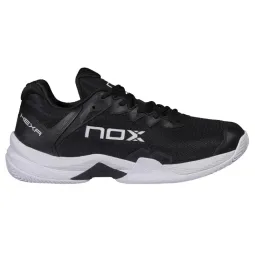
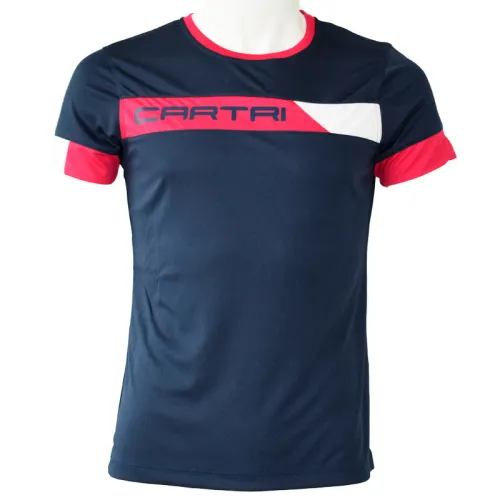
Having the right padel accessories, such as anti-slip grips, wristbands, and technical clothing, can make a difference in execution and comfort during the match. Check out the padel clothing and padel shoes sections to equip yourself like a professional.
When should you alternate between short and deep bandeja?
Alternating both variants is essential for destabilizing opponents and preventing them from anticipating your shots. For example, after several deep bandejas, a short one can surprise and force an error. If your opponent starts anticipating your short bandejas, a deep one will make them step back, opening the court for your next shot.
Tips for practicing and improving
- Practice situationally with your partner, simulating different opponent positions.
- Watch videos of professional players to observe how they alternate these shots.
- Choose your racket based on your playing style. Check brands like Nox or Adidas for balanced options.
- Don't forget to try quality padel balls, as their bounce also affects the bandeja.
What are the advantages and risks of each bandeja type?
The short bandeja is great for breaking the opponent's rhythm and gaining the net, but if left too high, it can be easily attacked. The deep bandeja is safe for keeping opponents away, but if uncontrolled, it can return the initiative to them. It's important to practice both types to minimize errors and maximize their effectiveness on the court.
Advice for players of all levels
No matter your experience, alternating short and deep bandeja will make you a less predictable and more competitive player. Remember to regularly check the new arrivals in equipment and technology to enhance your game.
Padel Guide: Technical Knowledge and Applied Game Experience
tiendapadelpoint · Authority in padel, gear and performance @ Copyright 2026