










Guia de Padel - PadelPoint
Training decision-making in padel
Keys to developing decision-making in modern padel
In today's padel, the difference between an amateur and a professional player is not just in shot quality, but in the ability to make quick and accurate decisions on court. Professionals and coaches at TiendaPadelPoint agree that training decision-making is just as essential as perfecting technique or power.
Decision-making in padel means anticipating the opponent, choosing the right shot at every moment, and adapting to the match's dynamics. To work on this aspect, it's vital to combine technical exercises with real game situations, allowing players to develop their analysis and response capacity under pressure.
Additionally, using specific padel accessories can help create more realistic and varied training environments, simulating scenarios that require a quick and efficient response. 
How does decision-making influence a match's outcome?
Decision-making makes the difference at key moments in a match. Choosing to attack or defend, risking a volley or maintaining position are clear examples where the player must think quickly and execute precisely.
Impact of pressure and experience
Previous experience and the ability to handle pressure directly influence decision-making. Experienced players usually anticipate plays better, while beginners can be overwhelmed by the game's speed.
Training under stressful situations or using items like padel balls with different features helps simulate real matches and improve adaptation in competition. 
What exercises boost decision-making in training?
There are exercises designed to enhance decision-making, such as small-sided games, where court area or permitted shots are limited, forcing the player to think and act quickly.
Simulation of real situations
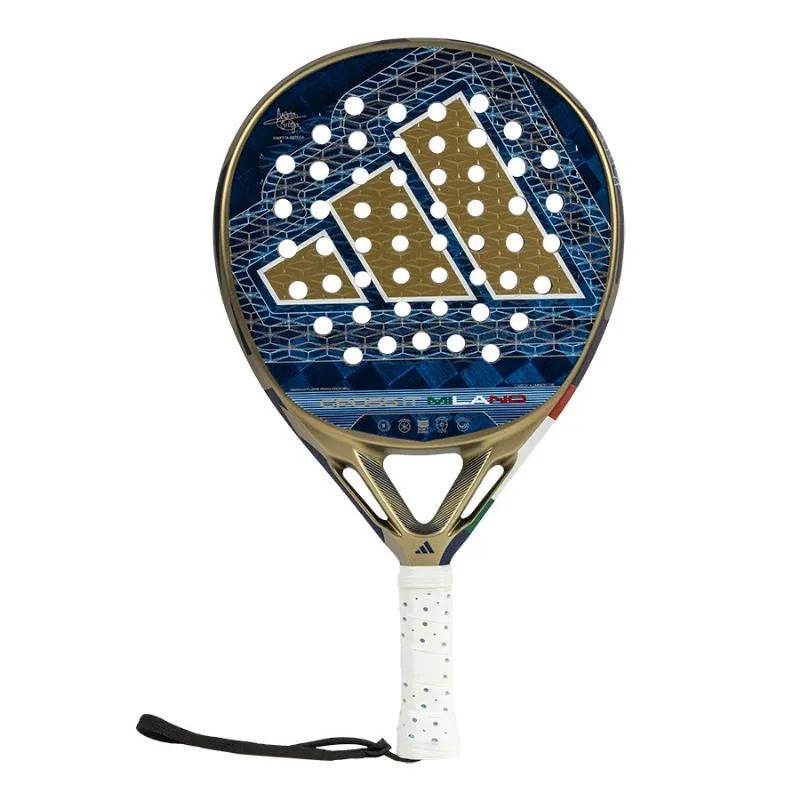
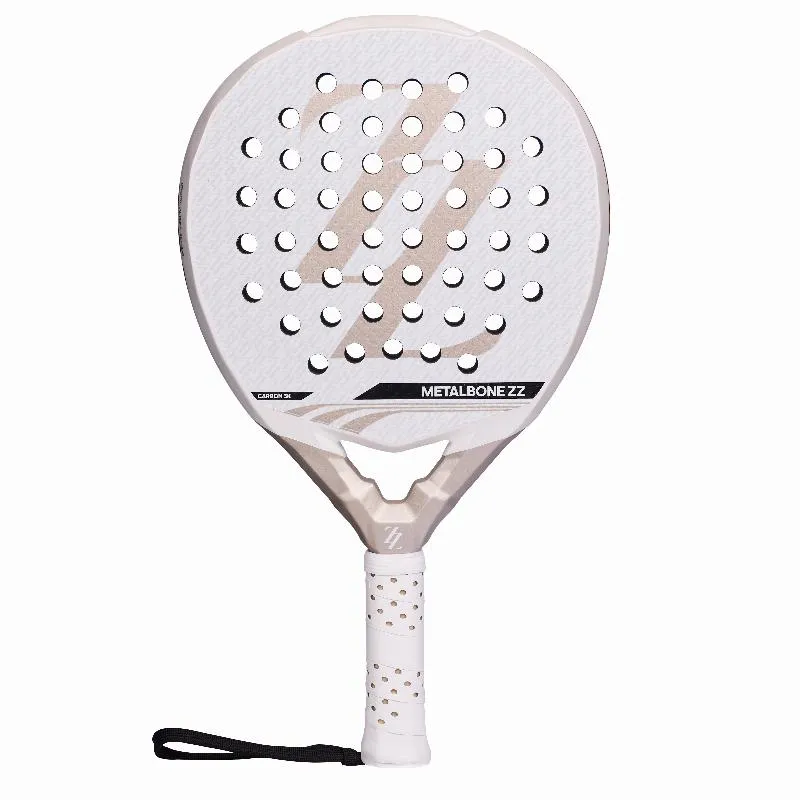
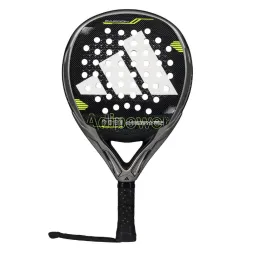
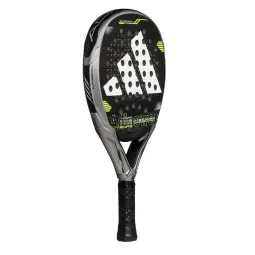
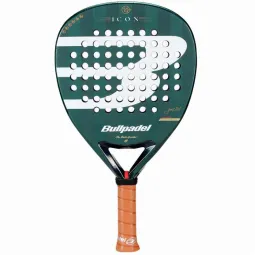
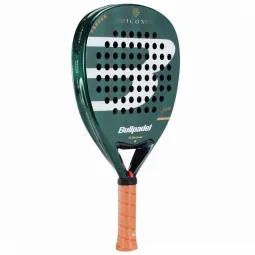
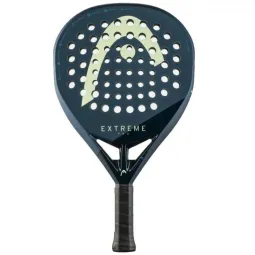
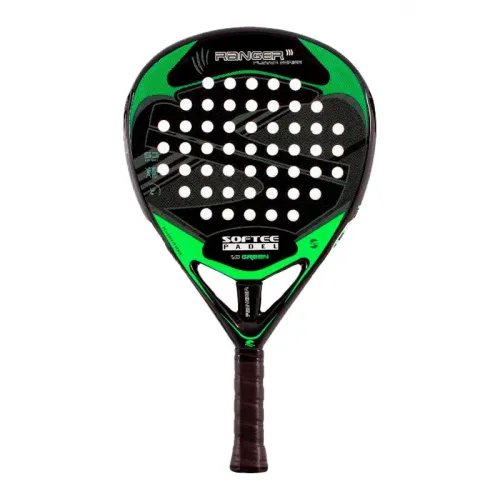
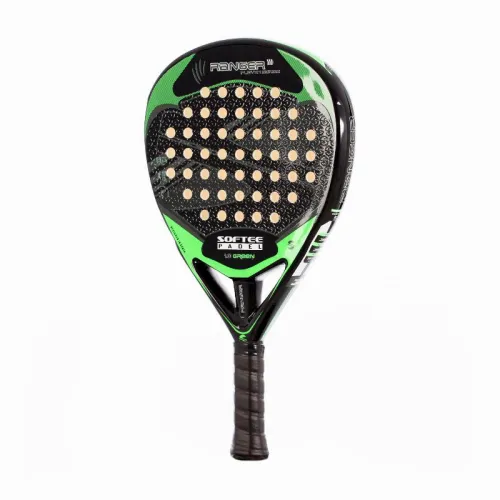
Simulating match points, changing pace, and switching between offensive and defensive roles are recommended activities. Also, using padel rackets from different brands and with varied features allows technique adaptation to each situation. 
- Reaction exercises with balls of different bounces.
- Scenario-based training: attack, defense, golden point.
- Sessions with unexpected changes, such as ball speed variations.
Each training session should be followed by a reflection, evaluating the decisions made and seeking more efficient alternatives.
What role do materials and brands play in decision-making?
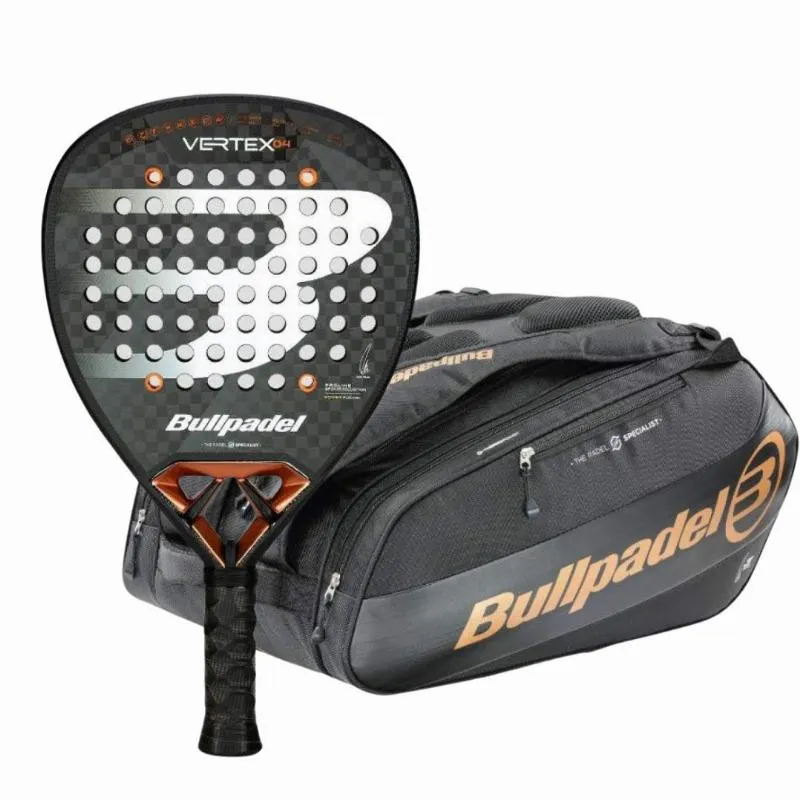
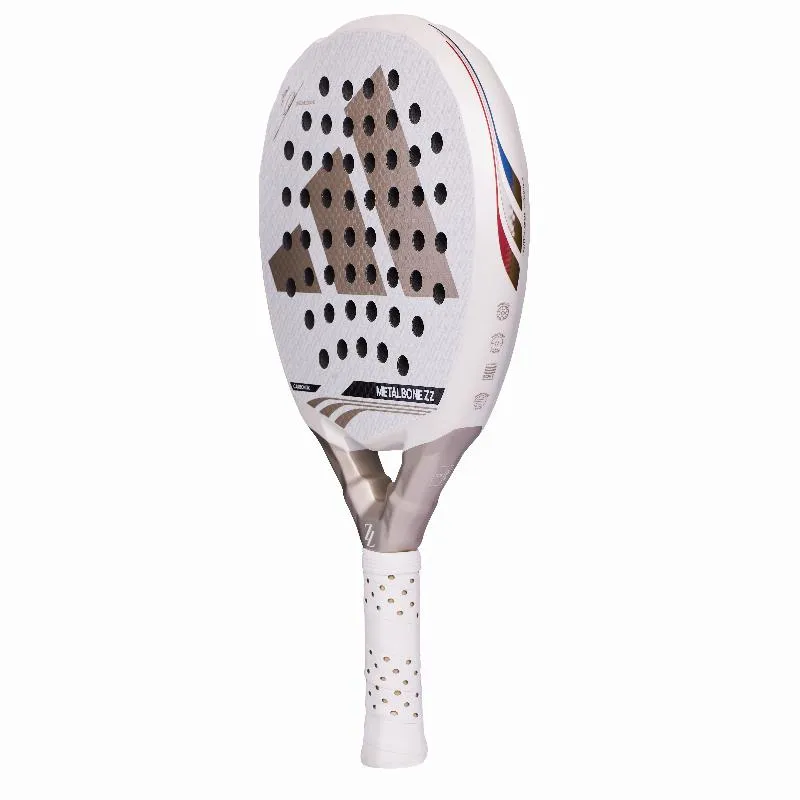
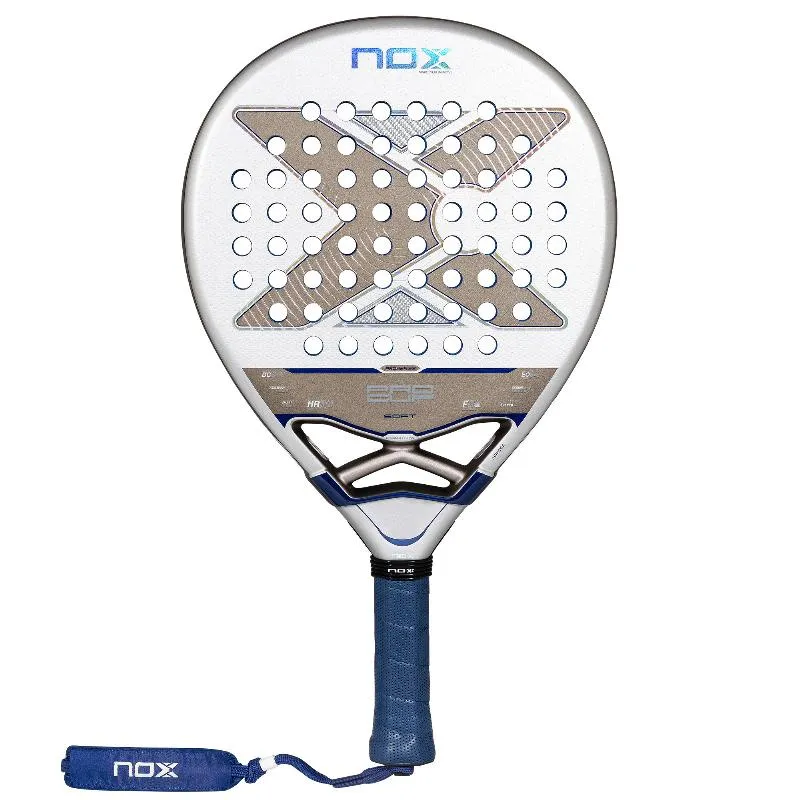
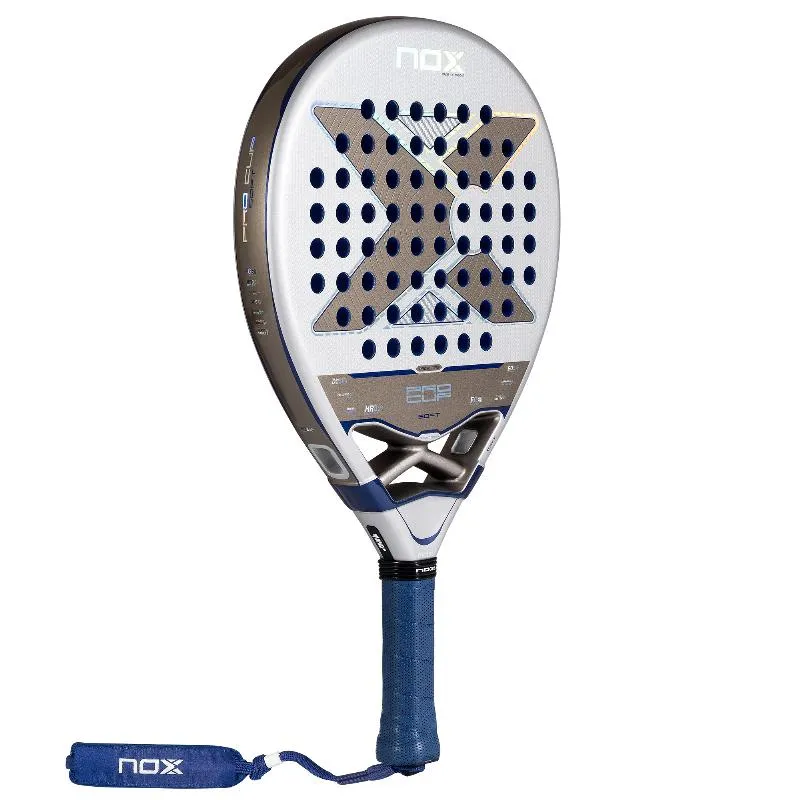
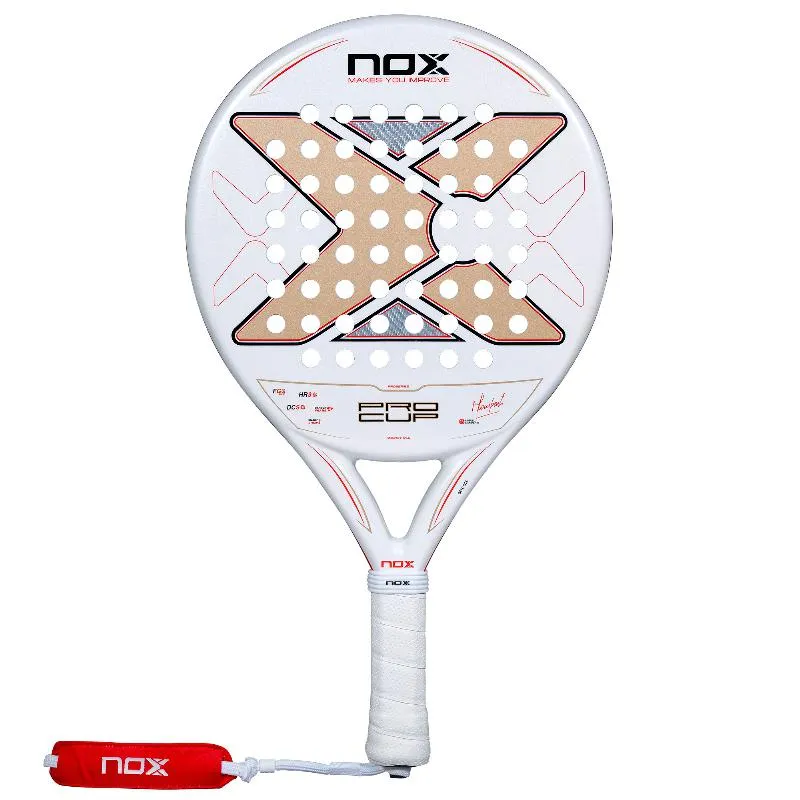
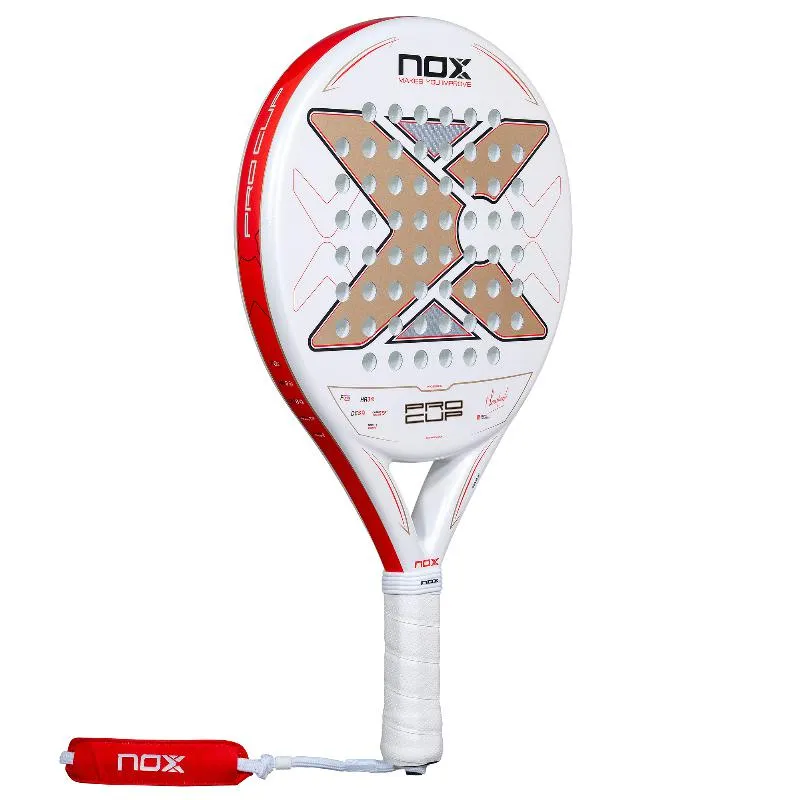
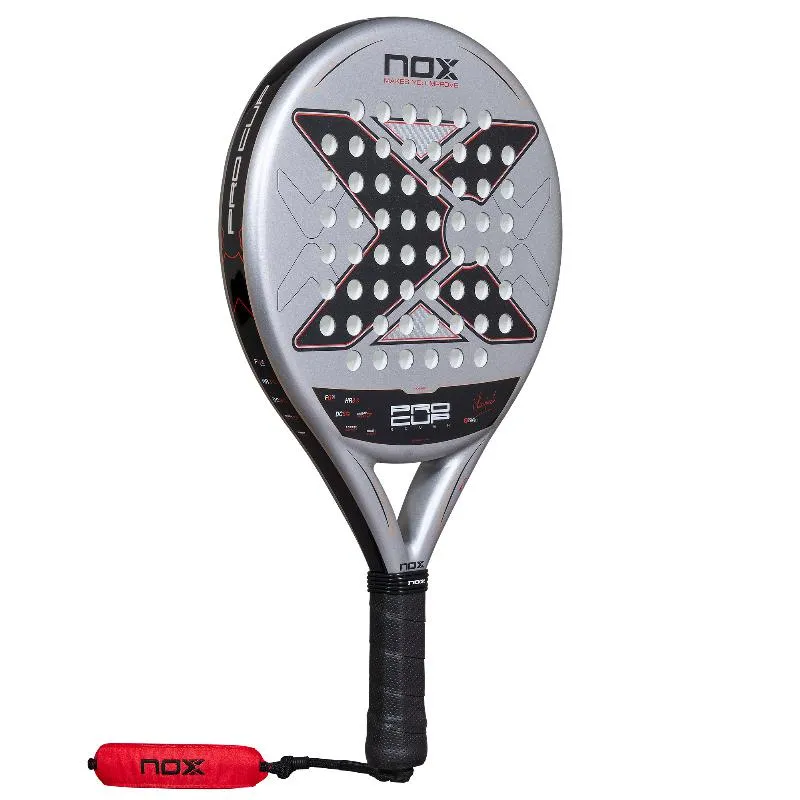
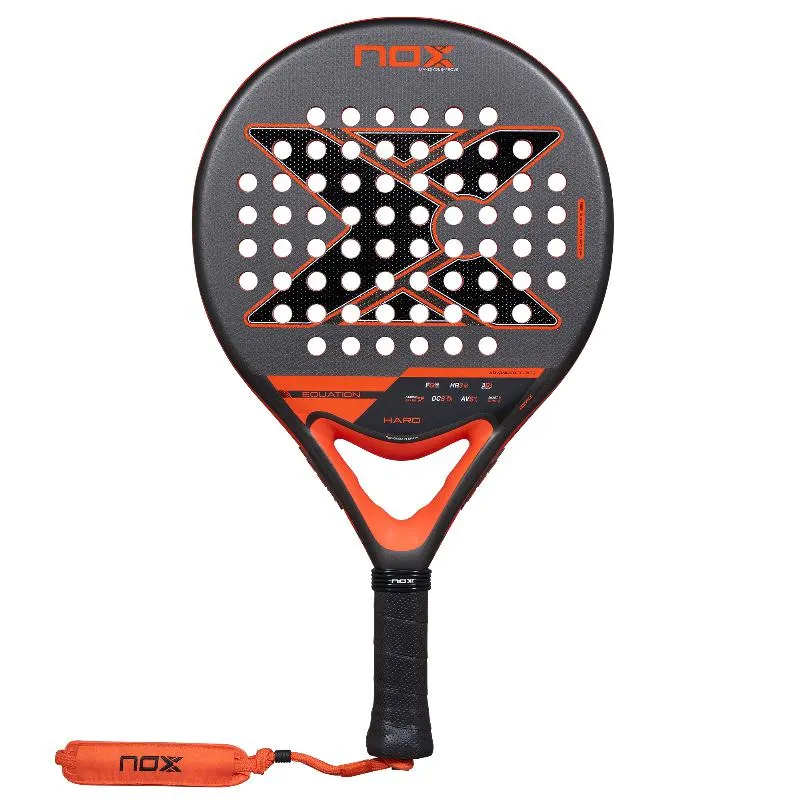
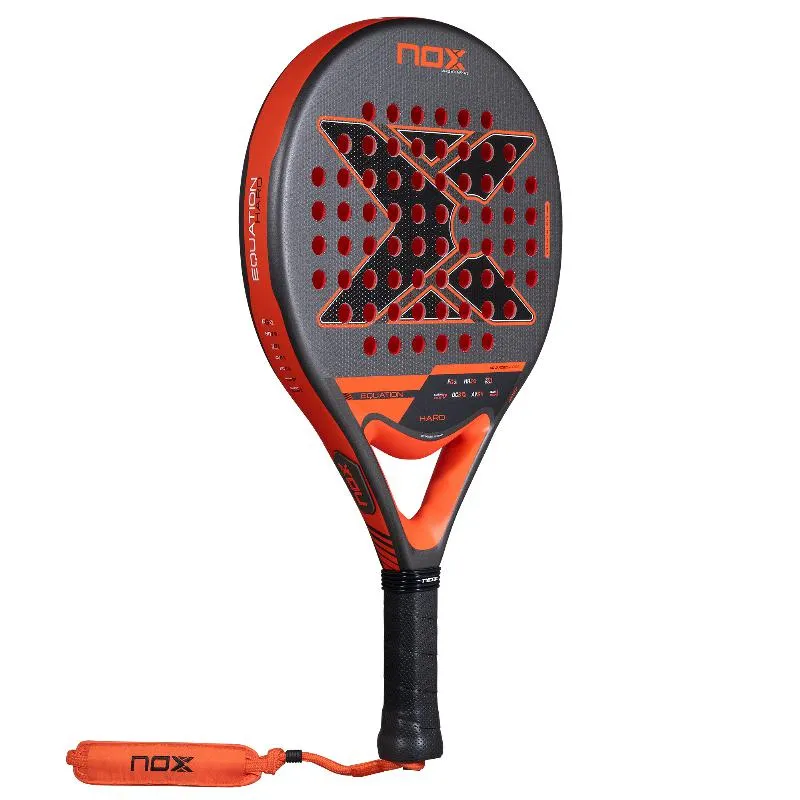
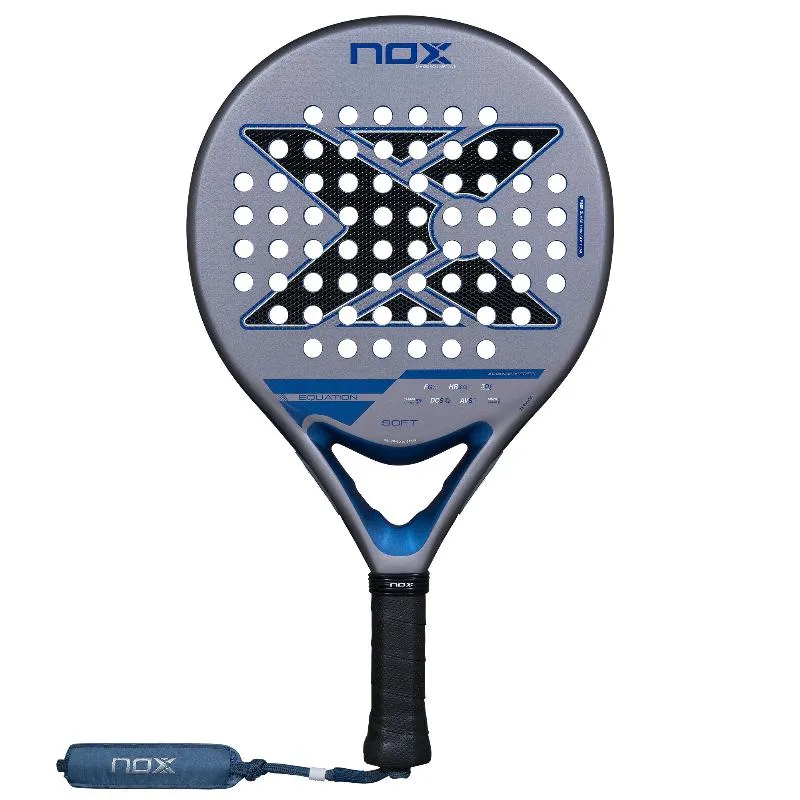
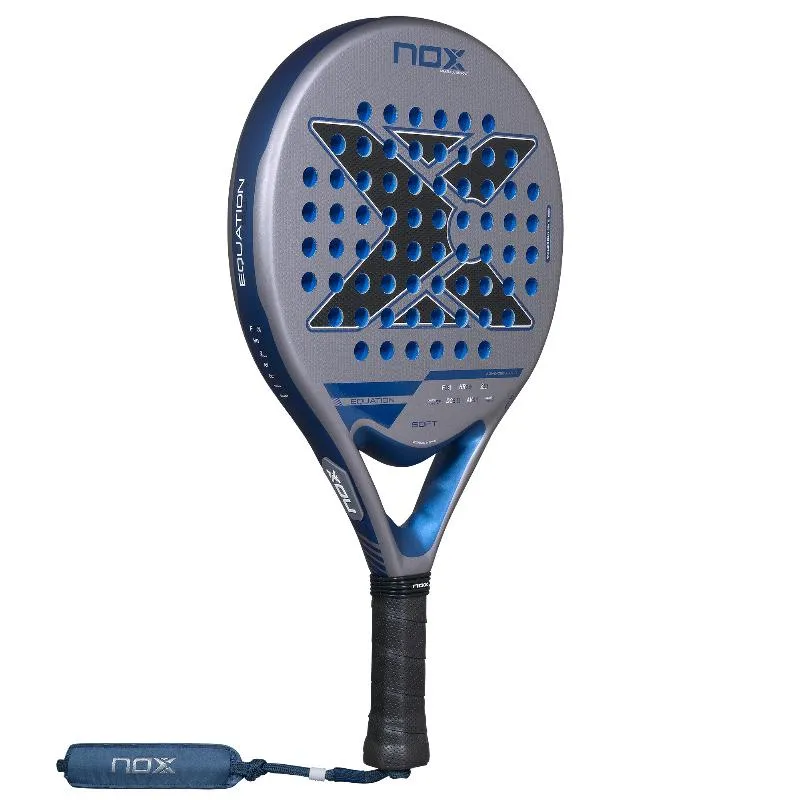
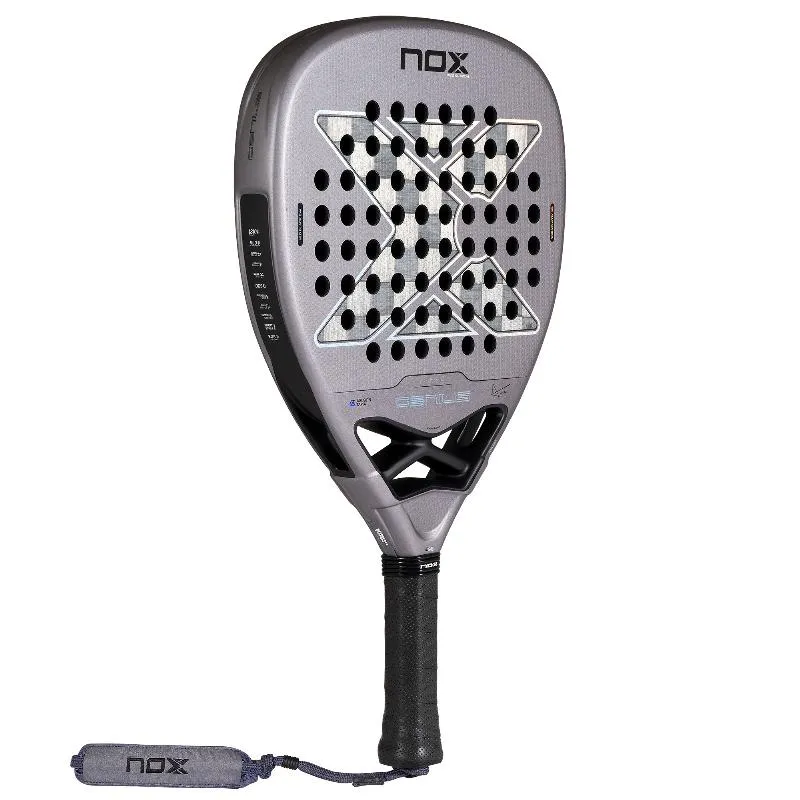
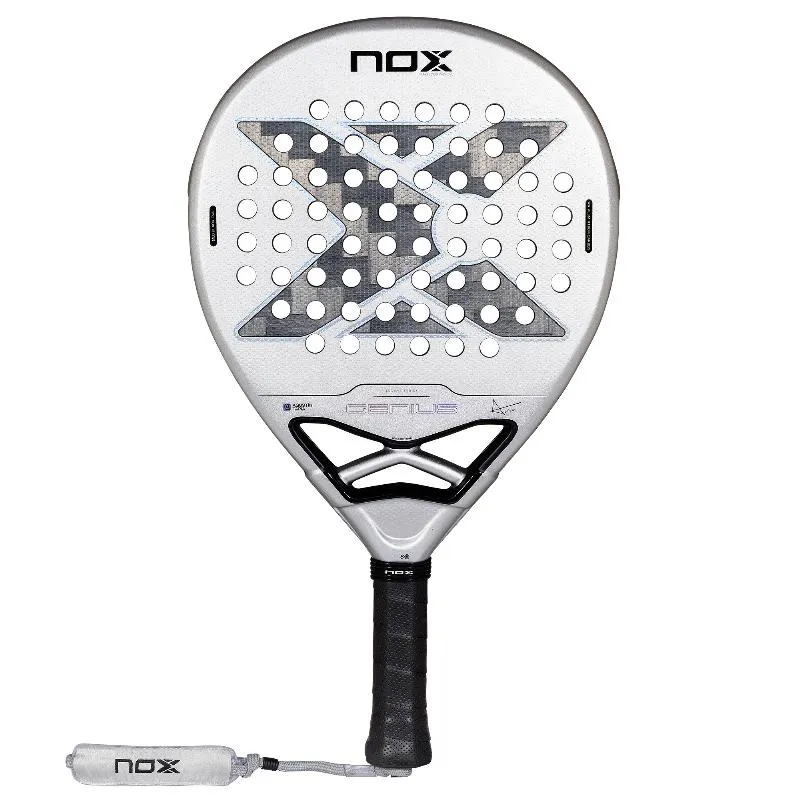
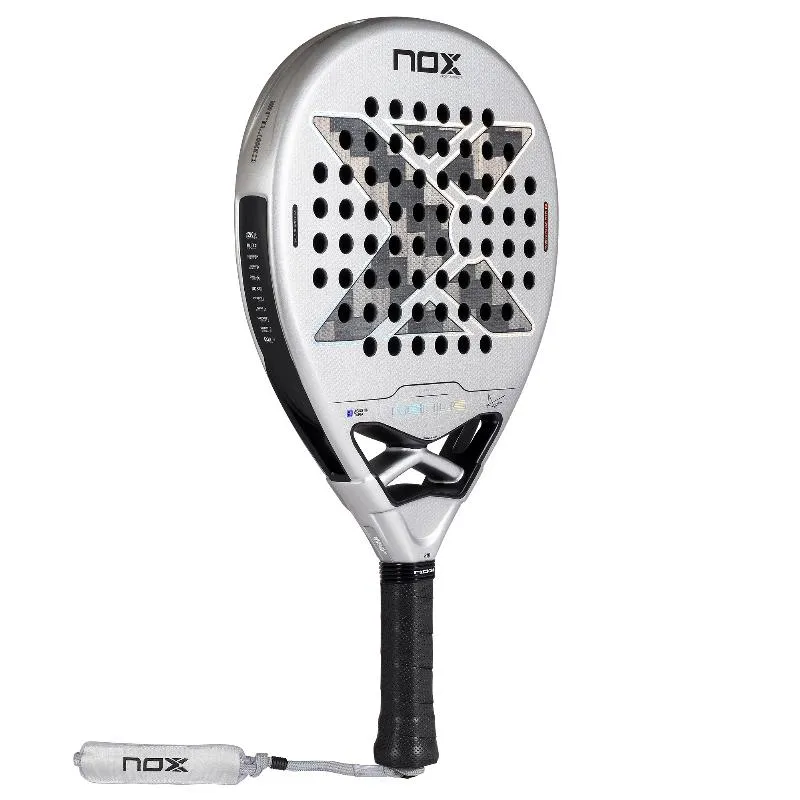
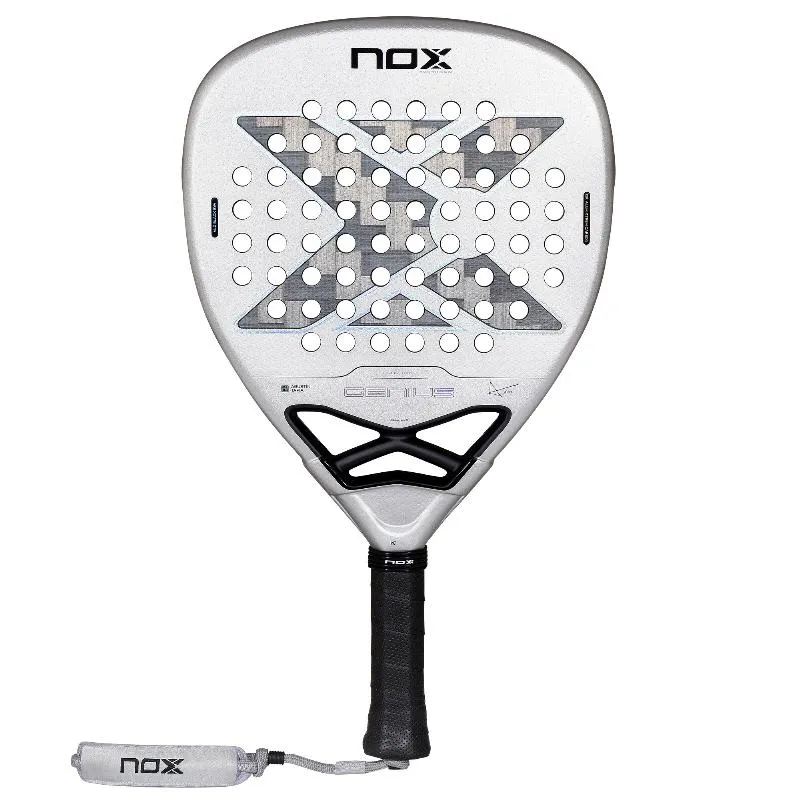
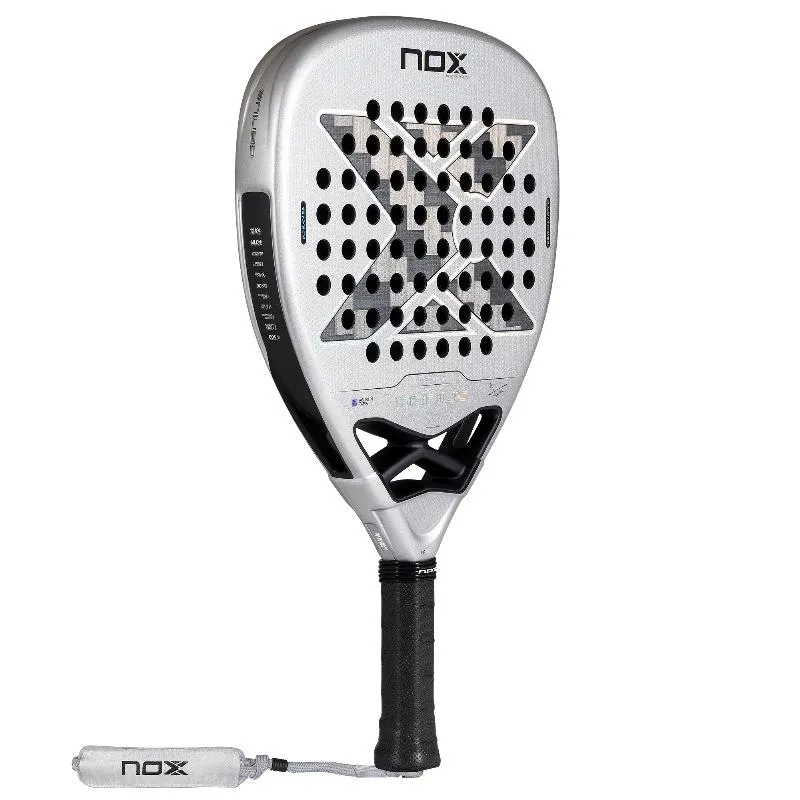
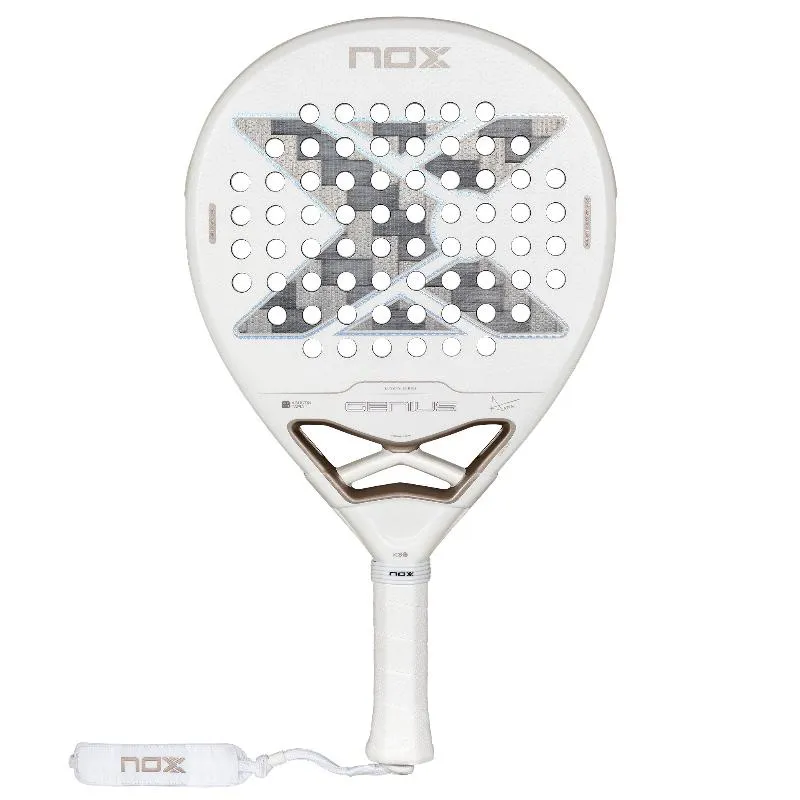
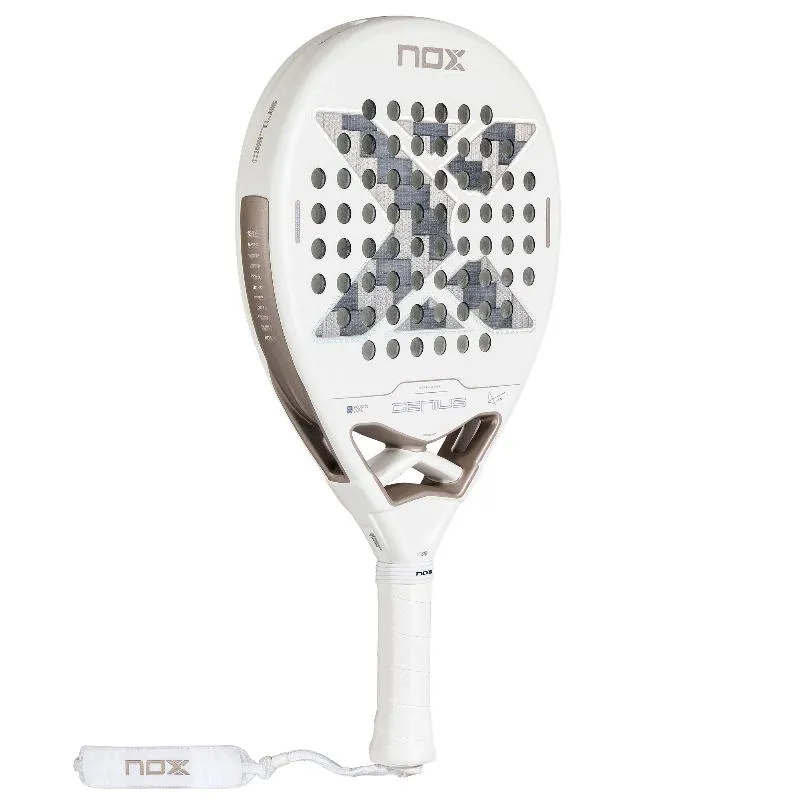
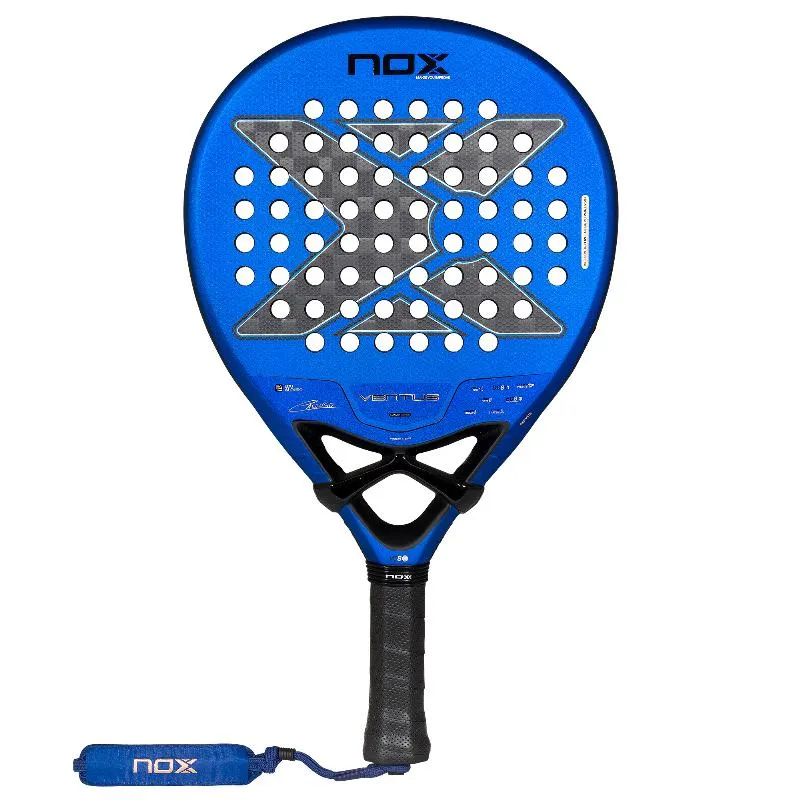
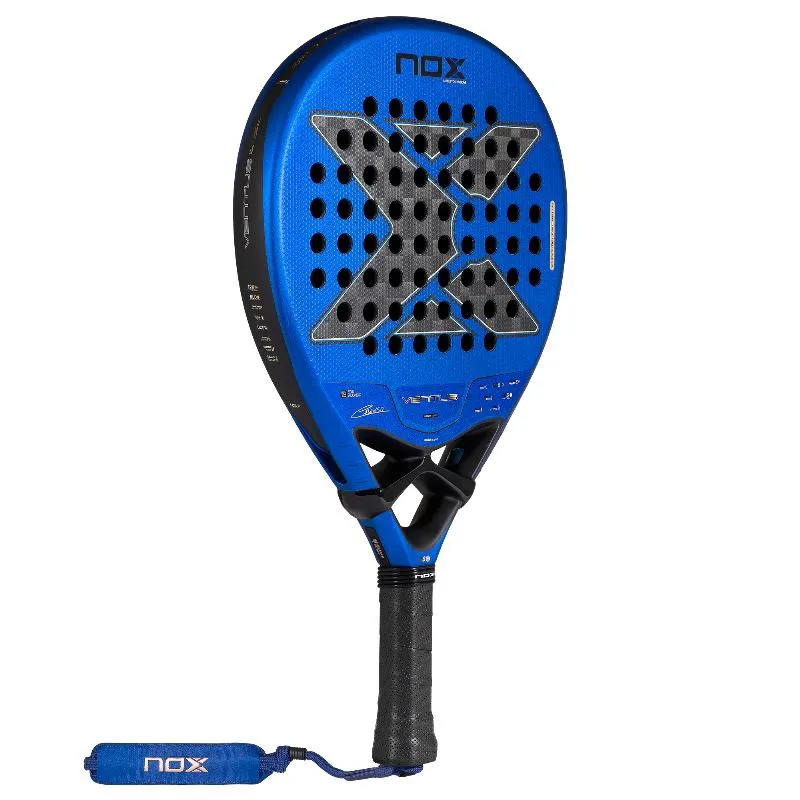
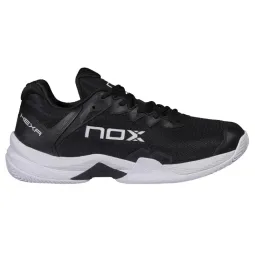
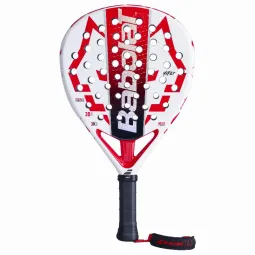
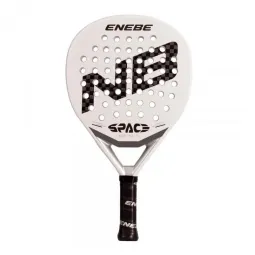
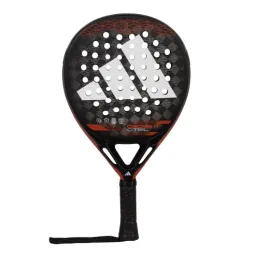
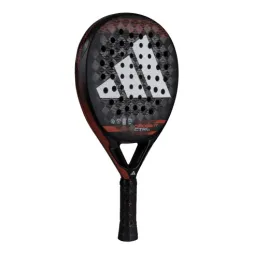
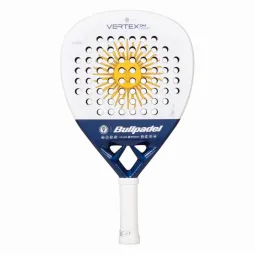
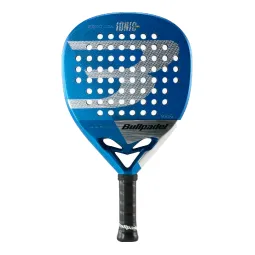
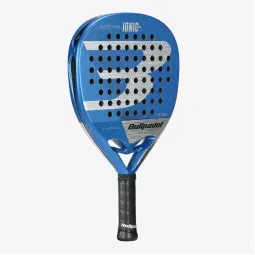
Choosing the right equipment affects the player's confidence and decision-making. Brands like Adidas, Bullpadel, Wilson or Nox offer rackets, shoes and accessories to suit different styles and needs. Knowing your gear well lets you make faster decisions, as you trust your equipment's response.
Personalization and confidence on court
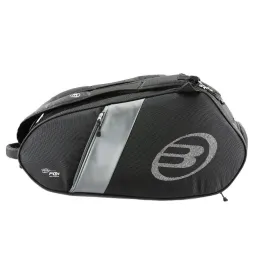
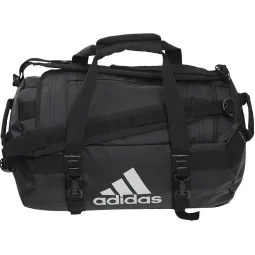
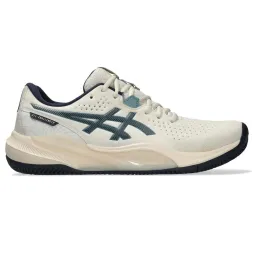
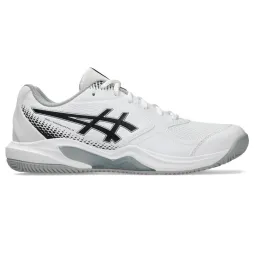
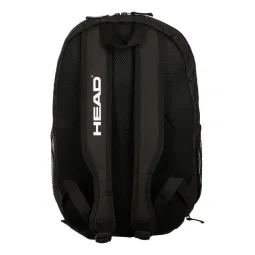
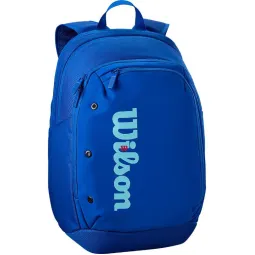
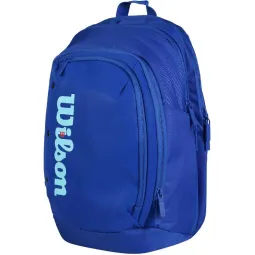
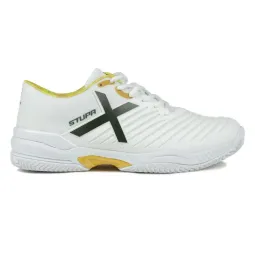
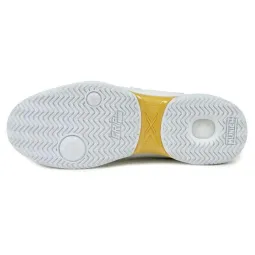
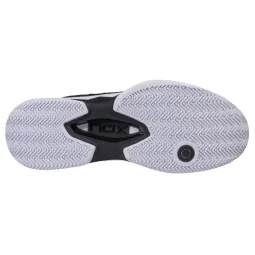
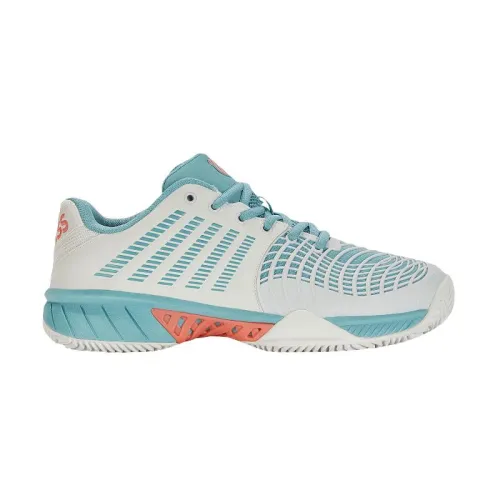
Personalizing racket bags and choosing the right padel shoes also influence mental and physical agility, crucial for correct decisions under pressure. 

How to integrate decision-making into regular training?
Integrating decision-making into training requires a conscious approach. It's advisable to alternate technical sessions with others focused on strategy and game analysis. Wearing appropriate padel clothing also supports comfort and concentration during training.
The value of feedback
Recording matches and analyzing plays helps detect patterns and improve decision-making. Also, staying updated on news in the padel world, both in equipment and training techniques, is essential to evolve as a player.
Ultimately, training decision-making in padel is a continuous process requiring dedication and the use of various resources. Making the most of the best brands and categories available at TiendaPadelPoint is key to boosting your performance and achieving your goals.
Related questions
- Mental exercises to improve decision-making in padel
- The coach's role in player decision-making
- Decision-making differences between elite and amateur padel players
Padel Guide: Technical Knowledge and Game Experience
tiendapadelpoint · Padel authority, equipment and performance @ Copyright 2026