























































































Guia de Padel - PadelPoint
Essential guide to training loads in padel
The importance of managing training loads in padel
Padel training has evolved significantly in recent years, incorporating advanced concepts of physical preparation and sports planning. One of the fundamental pillars for achieving optimal performance and avoiding injuries is the correct management of training loads. Understanding the balance between load, rest, and adaptation is key for both amateur and professional players. In this guide, we explain how to structure and monitor training loads, adapting them to your level and objectives.
What are training loads?
Training loads represent the volume, intensity, and frequency of physical stimuli to which we subject our bodies during sports practice. In padel, this ranges from on-court exercises, matches, strength sessions, to recovery and active rest.
- External load: What the player does (number of repetitions, kilometers covered, time, etc.).
- Internal load: The individual physiological response to effort (heart rate, perceived exertion, fatigue).
The correct combination of both is essential for safe and efficient progress.
How is a training load planned in padel?
Training load planning in padel should be personalized and progressive. It is advisable to structure training into microcycles (weekly) and macrocycles (monthly or yearly), alternating phases of higher and lower intensity. In this way, you achieve continuous improvement and minimize the risk of injury.
Principles for planning
- Progression: Gradually increasing the load, avoiding abrupt jumps.
- Variety: Alternating exercises and stimuli to work on all physical and technical aspects of padel.
- Individualization: Adapting training to each player's characteristics and needs.
- Recovery: Including rest days and low-impact sessions.
Using appropriate padel accessories such as heart rate monitors, resistance bands, or specific balls (padel balls) can help monitor and adjust loads according to individual response.
What types of loads exist in padel training?
In padel, different types of loads are distinguished, each with a specific objective in the improvement process:
- Physical load: Strength, endurance, speed, and flexibility work.
- Technical load: Exercises aimed at perfecting strokes, movements, and coordination.
- Tactical load: Simulation of real match situations to improve decision-making.
- Psychological load: Managing competitive stress and enhancing mental focus during training and matches.
Comprehensive training and materials
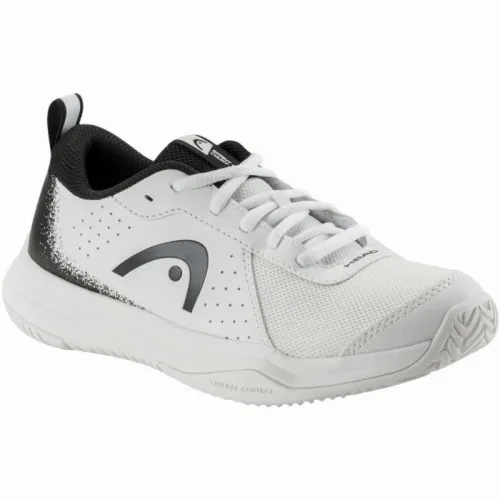
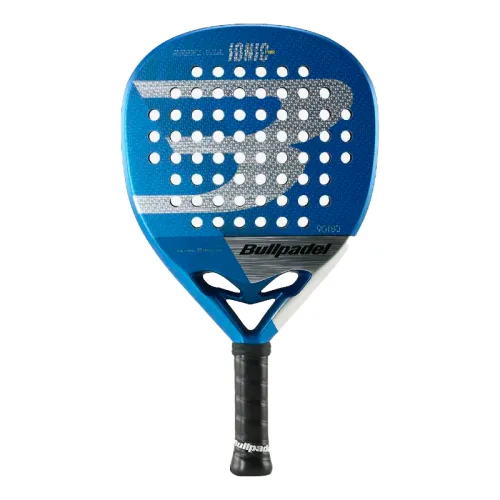
Leading brands such as Adidas, Bullpadel, or Head offer specialized products to optimize your training sessions, from padel rackets to padel shoes and technical padel clothing.
How does training load affect performance and injury prevention?
Proper load management prevents overtraining and reduces the risk of injuries such as tendinitis, muscle overload, or chronic fatigue. It also allows you to reach performance peaks strategically, especially during competition periods, and promotes sporting longevity.
Signs of overload
- Excessive and persistent fatigue
- Loss of motivation
- Decreased on-court performance
- Appearance of recurring pain or injuries
Using padel accessories such as muscle care and recovery systems helps maintain balance and speed up recovery.
What tools exist to monitor and adjust training loads?
Currently, there are multiple technological tools and accessories to monitor training loads:
- Sports watches and heart rate monitors: Measure heart rate and key parameters during sessions.
- Tracking apps: Allow planning and recording weekly and monthly loads.
- Recovery accessories: Rollers, bands, and specific products from brands such as Babolat or Asics.
The range of padel accessories and monitoring devices grows each year, incorporating the most sought-after new products.
Tips for self-assessment
- Keep a training log with feelings and objective data.
- Carry out periodic tests of strength, speed, and endurance.
- Listen to your body and adjust loads according to fatigue or pain.
How to adapt training load according to level and objectives?
Not all players require the same load. An amateur should prioritize technique and injury prevention, while an advanced competitor will aim for performance peaks. Therefore, the load must be adjusted to:
- Age and physical condition
- Weekly playing frequency
- Personal and competitive goals
- Tournament calendar
Incorporating quality racket bags and padel shoes is essential to ensure comfort and protection during training.
Recommended equipment by level
- Beginner: Control rackets, breathable clothing, and basic accessories.
- Intermediate: Versatile rackets, shoes with good grip, and recovery accessories.
- Advanced: Power rackets, technical clothing, and advanced load monitoring.
At TiendaPadelPoint you will find a selection of products from top brands such as Adidas, Bullpadel, or Head to meet all your needs according to your level.
Padel Guide: Technical Knowledge and Applied Game Experience
tiendapadelpoint · Authority in padel, equipment and performance @ Copyright 2026
