





















Guia de Padel - PadelPoint
Training of padel referees in Spain
How padel referees in Spain prepare for competition
Padel has experienced meteoric growth in Spain, becoming one of the most played and followed sports in the country. This growth has gone hand in hand with greater professionalism in all its areas, including the training of padel referees. The referee is key to ensuring matches run smoothly, applying the rules, and fostering sportsmanship on the court. But what specific training do these professionals receive in Spain? We explain it in detail below.
Institutions responsible for referee training
The Spanish Padel Federation (FEP) is the main body in charge of referee training in Spain. In addition, many regional federations offer accredited training, following guidelines set by the FEP and the International Padel Federation (FIP).
The referee courses cover several levels: from assistant referee, to national referee, up to international level, allowing for specialization as experience and knowledge are gained.
What does the curriculum for padel referee courses include?
The training of padel referees in Spain is rigorous and multidisciplinary. The syllabus is structured in different modules, including:
- Official padel regulations: in-depth analysis of the rules of the game, both nationally and internationally.
- Disciplinary regulations: applying sanctions, warnings, and procedures for incidents on court.
- Handling practical situations: conflict resolution, decision-making under pressure, and effective communication with players and coaches.
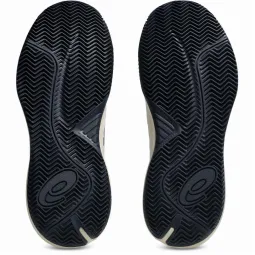
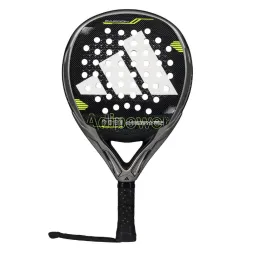
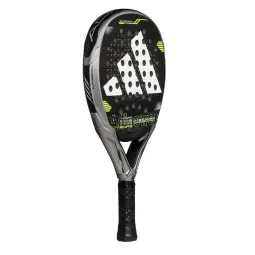
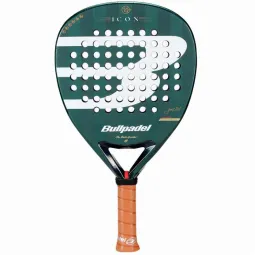
- Competition protocol: overseeing registrations, draws, schedules, and material control such as padel rackets, balls, or padel shoes.
- Ethics and sports values: promoting fair play and impartiality.
These contents are complemented by practical cases, match simulations, and theoretical and practical exams, ensuring comprehensive training.
Requirements to access referee courses
To access padel referee training in Spain, candidates must meet several basic requirements:
- Be of legal age (18 years).
- Preferably, have previous experience in padel.
- Hold a Secondary Education degree (or equivalent).
- Pass the theoretical and practical exams of each course.
Upon successfully completing the training, the corresponding accreditation is obtained, valid for officiating in federated competitions.
What certifications and titles exist for padel referees?
In Spain, referees can obtain different certifications with progressive validity:
- Assistant referee: access to local and regional matches, ideal to start a refereeing career.
- National referee: enables officiating in official championships organized by the FEP.
- International referee: allows officiating in tournaments endorsed by the FIP and international circuits.
Each level requires passing specific courses, with content and exams adapted to the demands of competition.
How does the refresher and update process work?
Padel is a constantly evolving sport. For this reason, referee training includes mandatory refresher courses, where regulations are updated and refereeing experiences are shared. Keeping up to date is key for referees to act with maximum professionalism and knowledge.
What career opportunities does a certified padel referee have?
Becoming a padel referee in Spain opens up a wide range of job opportunities in the padel world:
- Officiating in national and regional federated tournaments.
- Participation in international competitions.
- Supervision of amateur, corporate, or charity events.
- Training new referees and collaborating with federations and clubs.
In addition, the technical knowledge acquired allows for work in event organization, club consulting, or even collaboration with specialized stores such as TiendaPadelPoint, where one can advise on padel accessories and regulatory materials. Refereeing experience is also valued for management or coordination roles in the sports sector.
The importance of regulatory material in refereeing
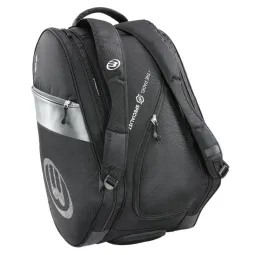
A good referee must be familiar with regulatory material, from specialized clothing to racket bags and approved balls. This ensures that matches take place under optimal and regulatory conditions.
How does referee training influence the quality of competitions?
The specific training of referees in Spain has been key to the development of professional and amateur padel. A trained referee not only knows the rules but knows how to apply them with judgment, ensuring that competitions are fair, dynamic, and safe for all participants.
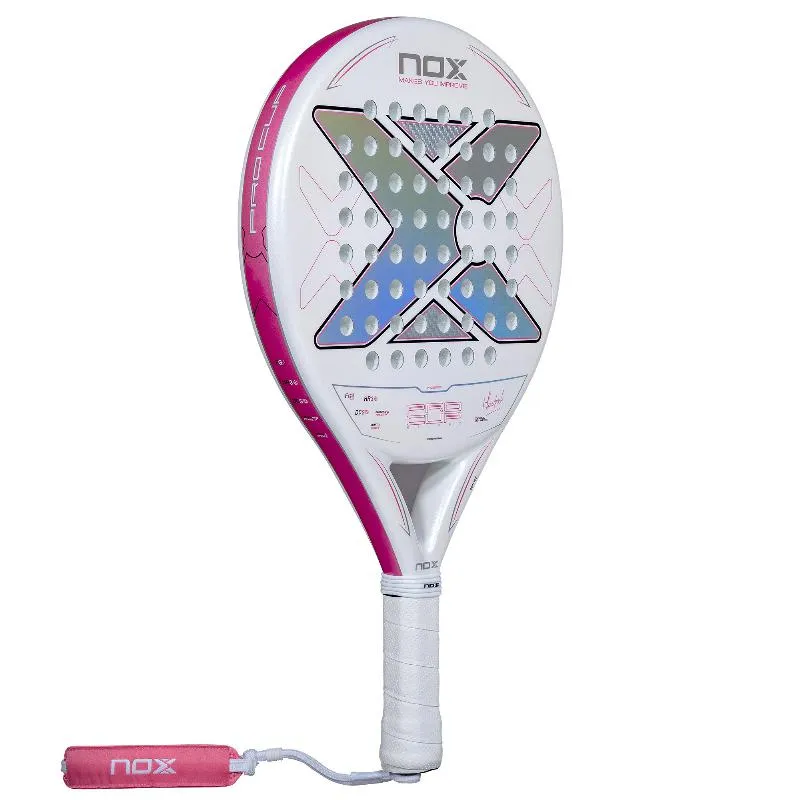
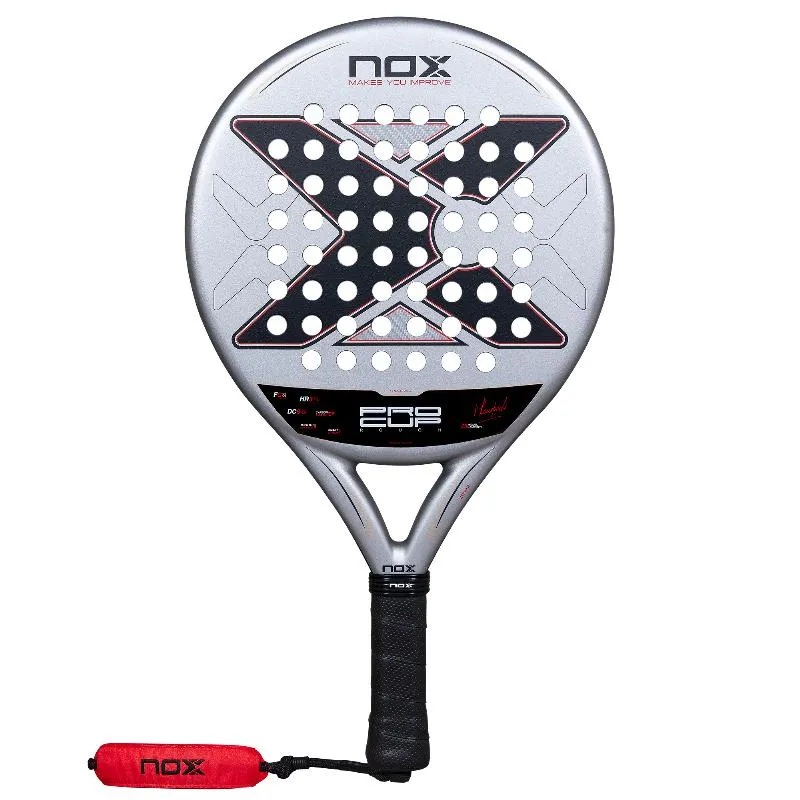
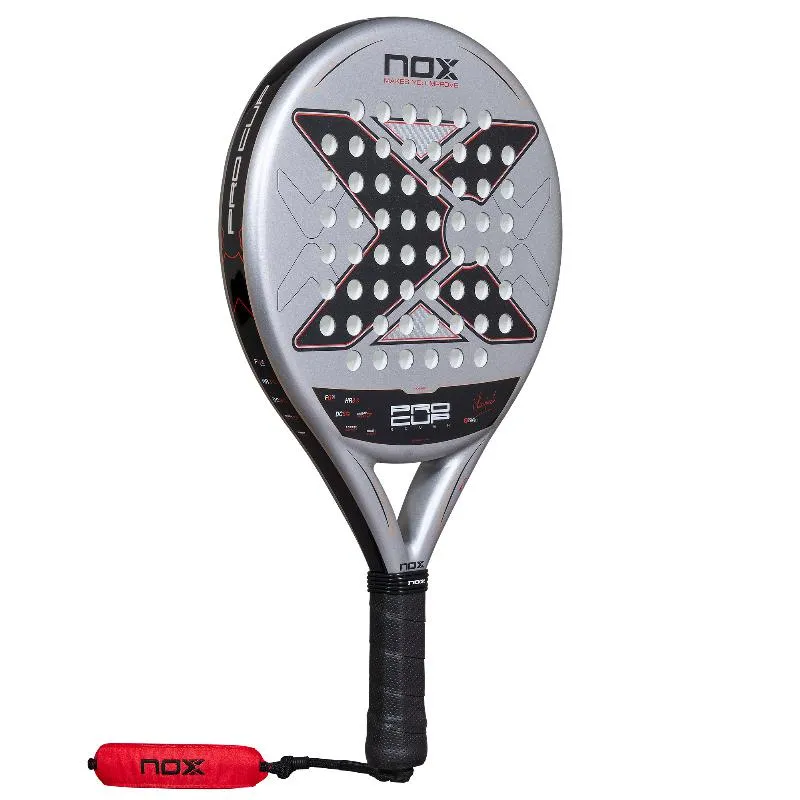
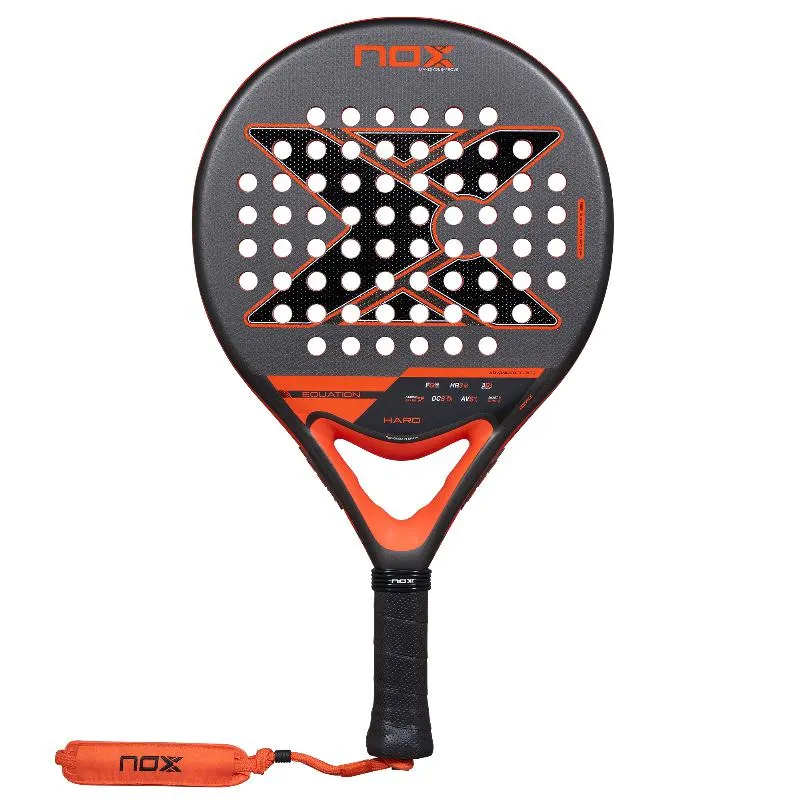
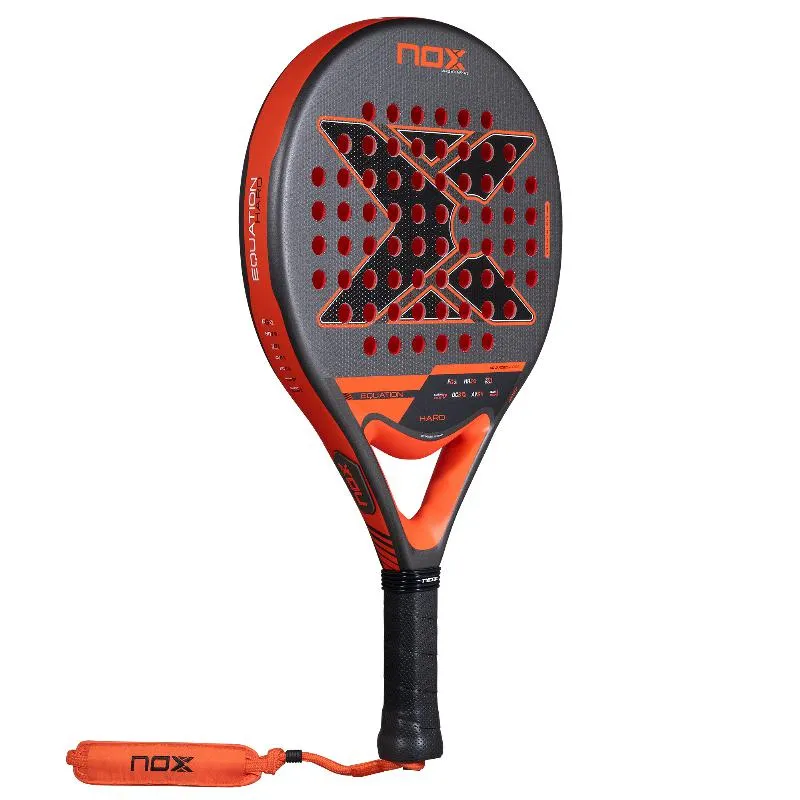
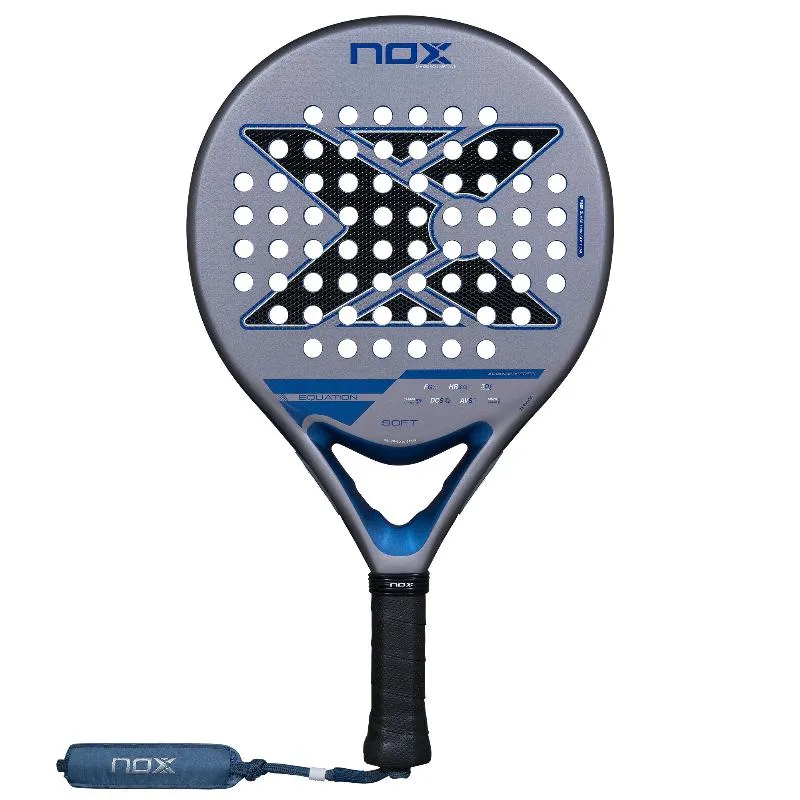
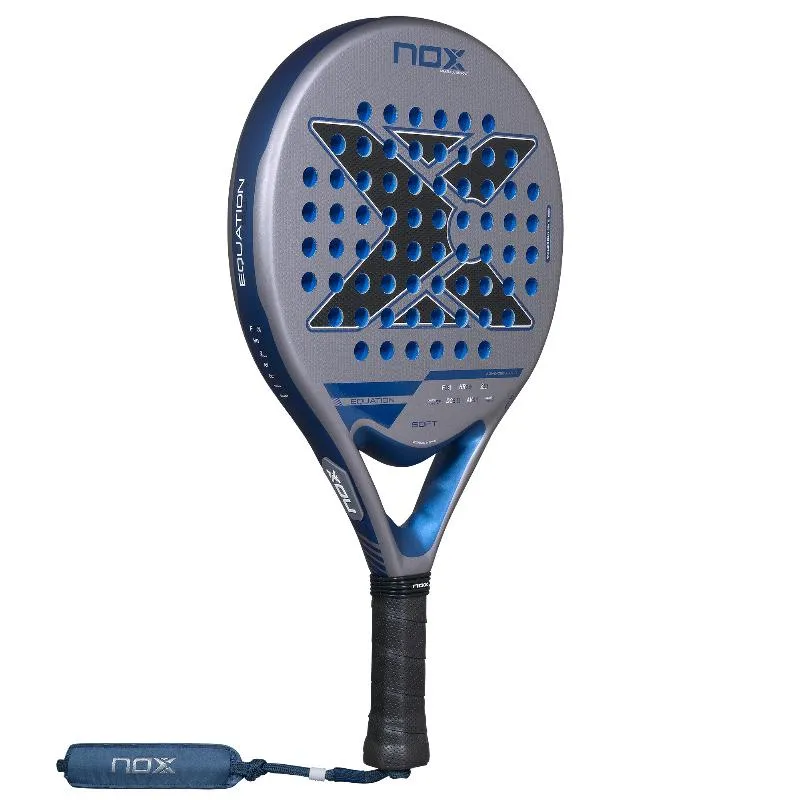
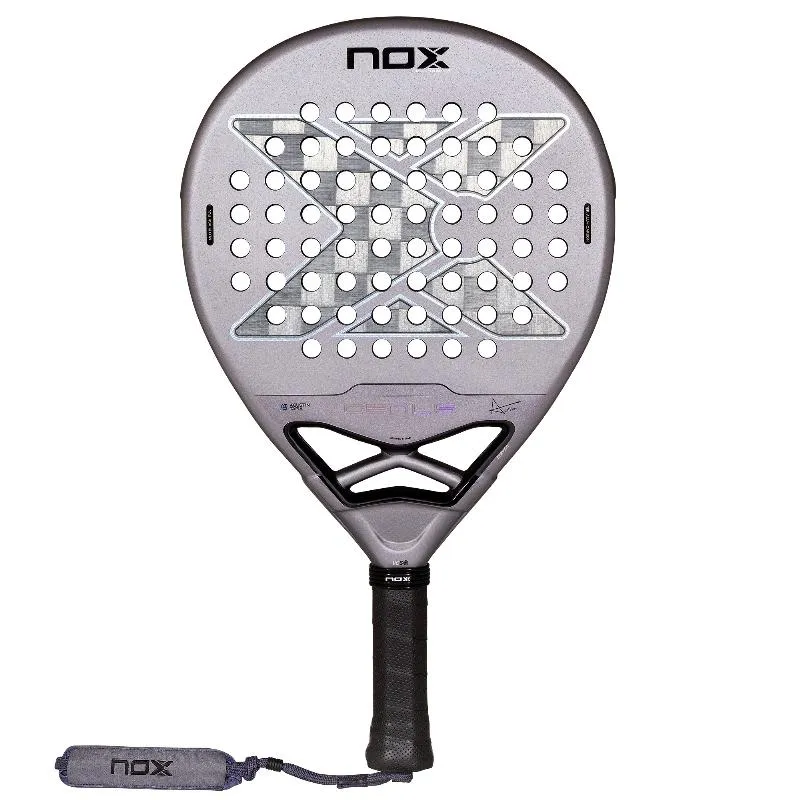
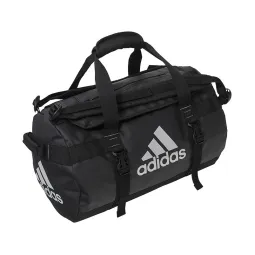
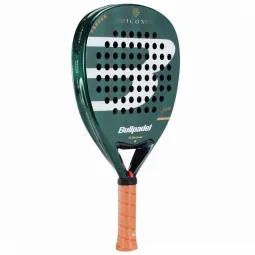
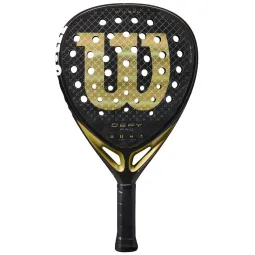
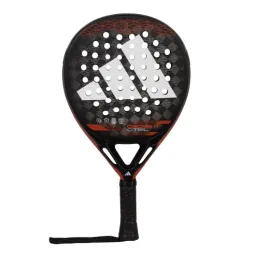
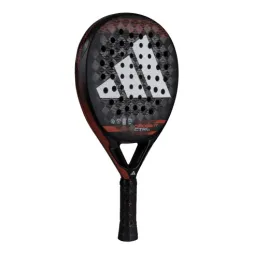
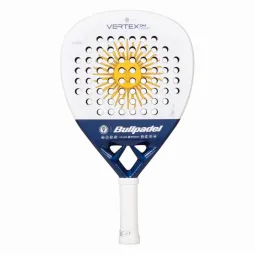
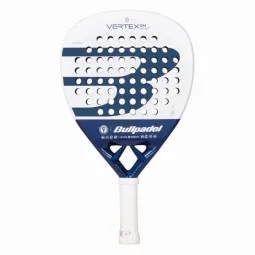
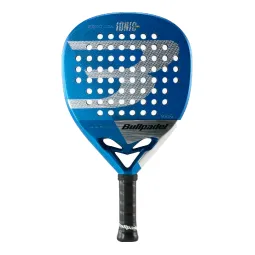
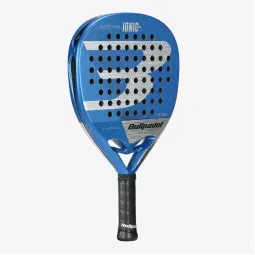
The professionalization of refereeing has raised the level of competitions in Spain, making the country a world reference. In addition, the presence of renowned brands such as Adidas, Bullpadel, Nox or Wilson in equipment and accessories helps maintain the quality standards required in refereeing.
To stay up to date with news about training, regulations, and equipment, it is best to consult official sources and specialized padel stores.
The future of padel refereeing in Spain
With the growth of padel, the role of the referee will continue to gain importance and professionalism. Ongoing training, access to quality resources, and collaboration with leading brands will ensure increasingly precise and respected officiating in all competitions.
Padel Guide: Technical Knowledge and Experience Applied to the Game
tiendapadelpoint · Padel authority, equipment and performance @ Copyright 2026