










Guia de Padel - PadelPoint
Types of lobs in padel and when to use them
Master the game by lifting the ball with precision
The lob in padel is one of the most strategic and decisive techniques in the game, capable of changing the pace of the match and offering both defensive and offensive opportunities. Mastering the different types of lobs and knowing when to execute them is essential for any player aiming for a higher level on the court. In this comprehensive guide, we reveal the secrets of padel lobs, their classification, execution tips, and the best moments to use them.
Why is the lob so important in padel?
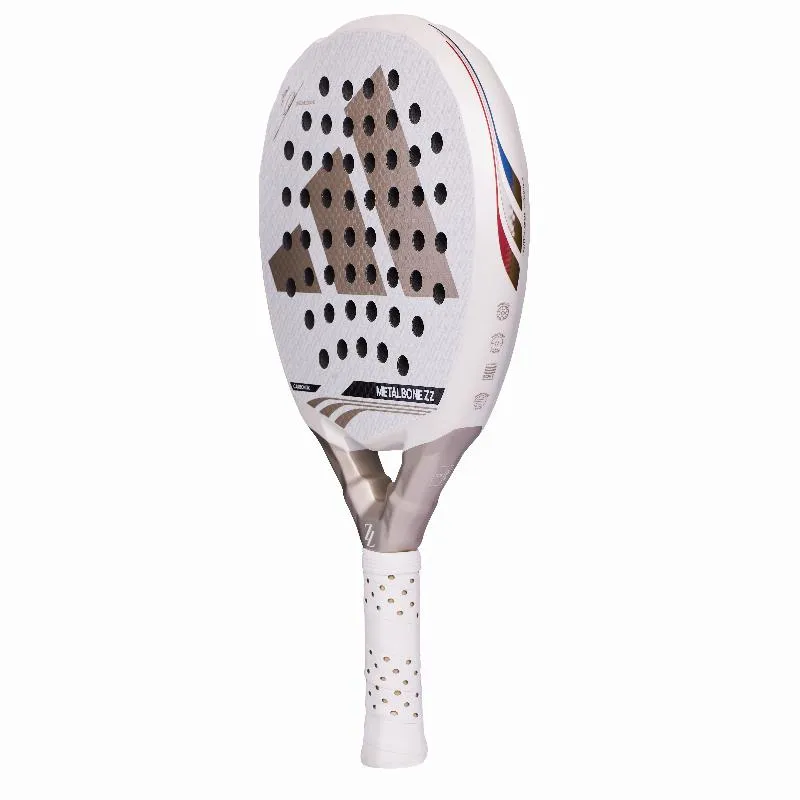
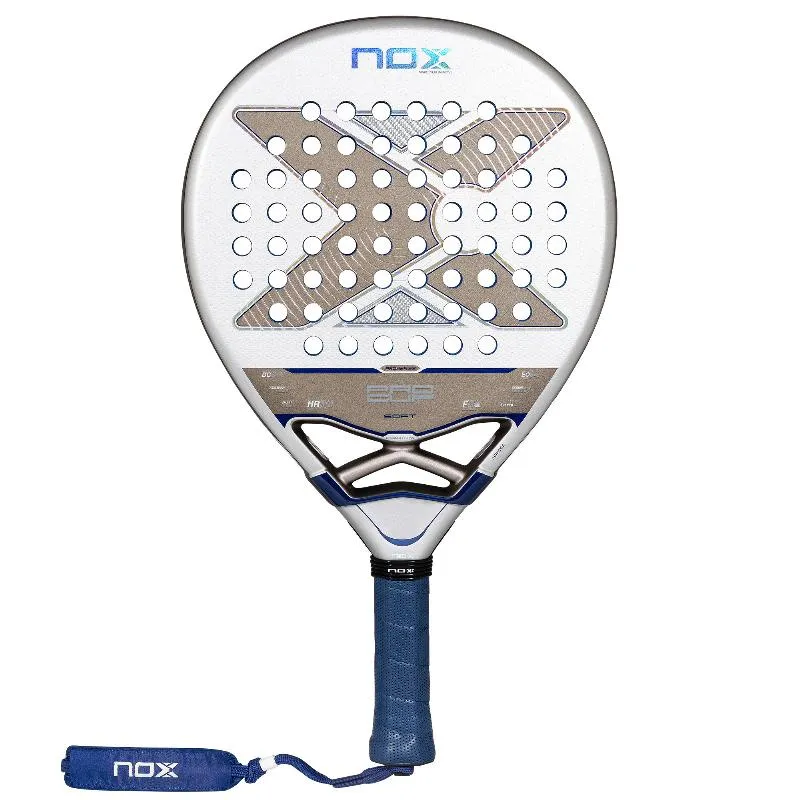
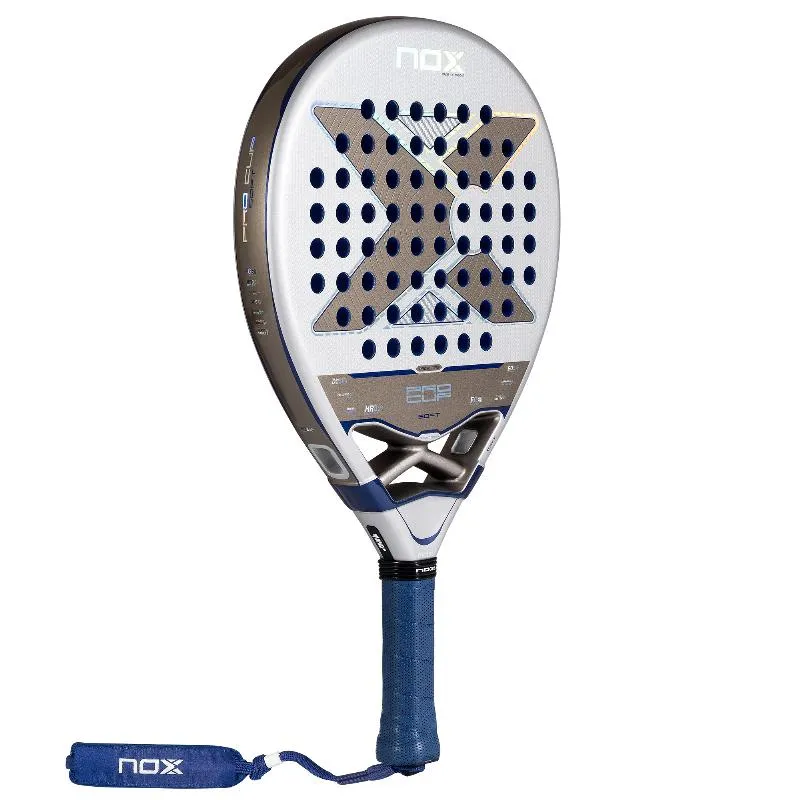
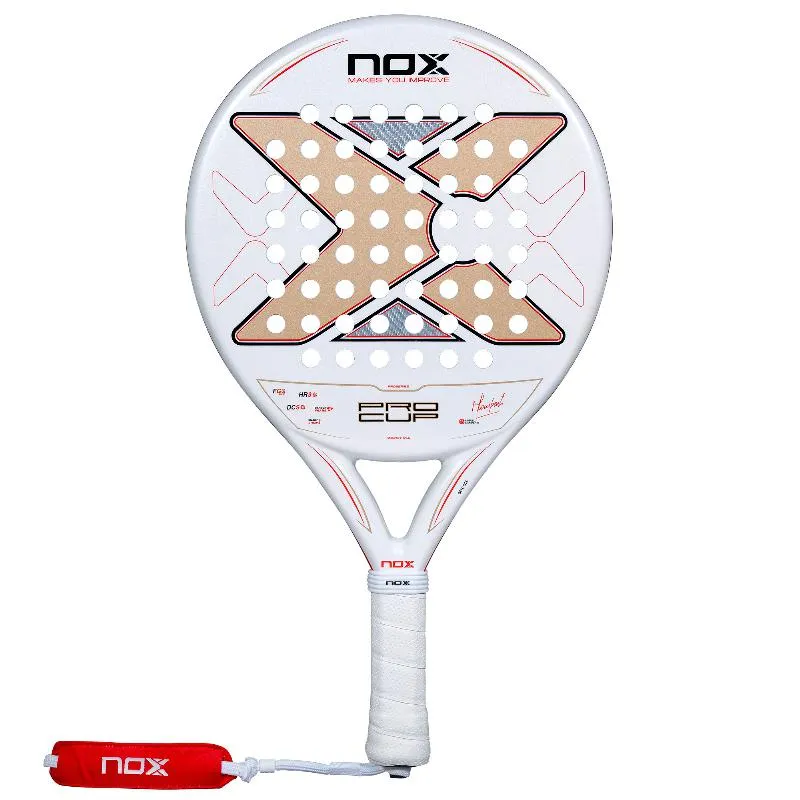
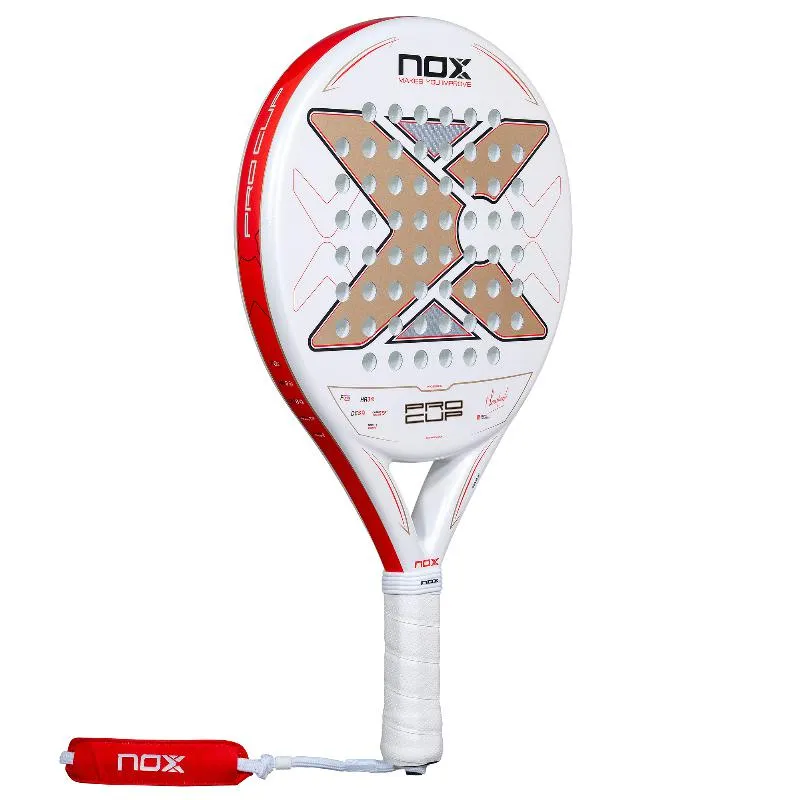
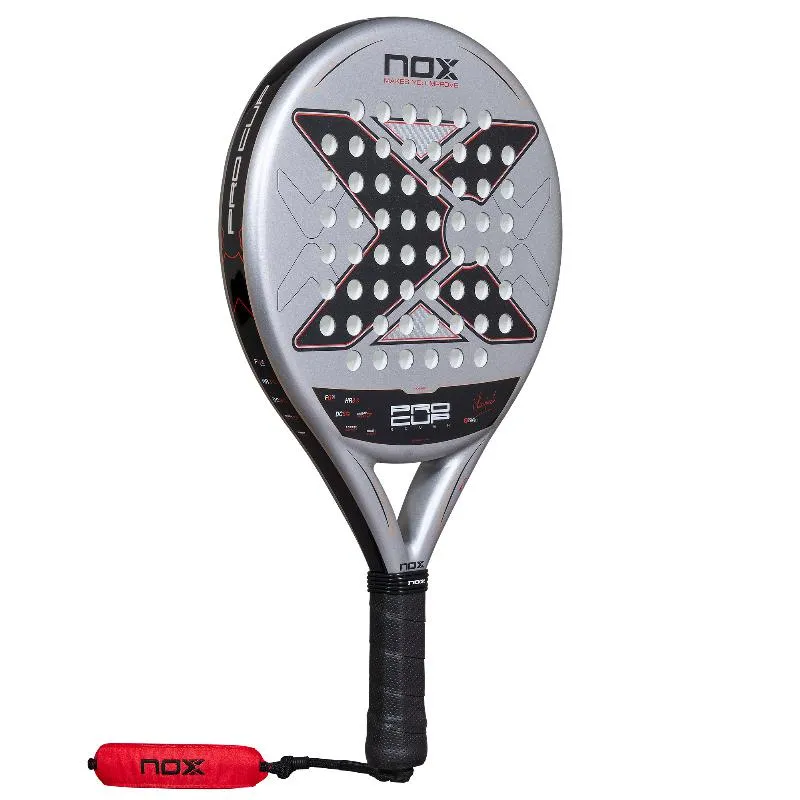
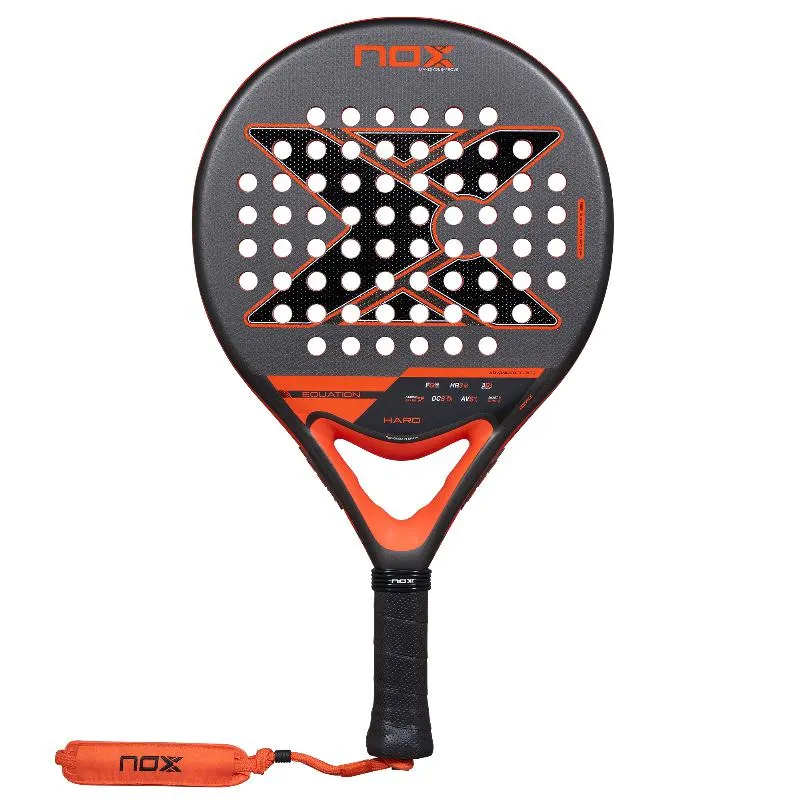
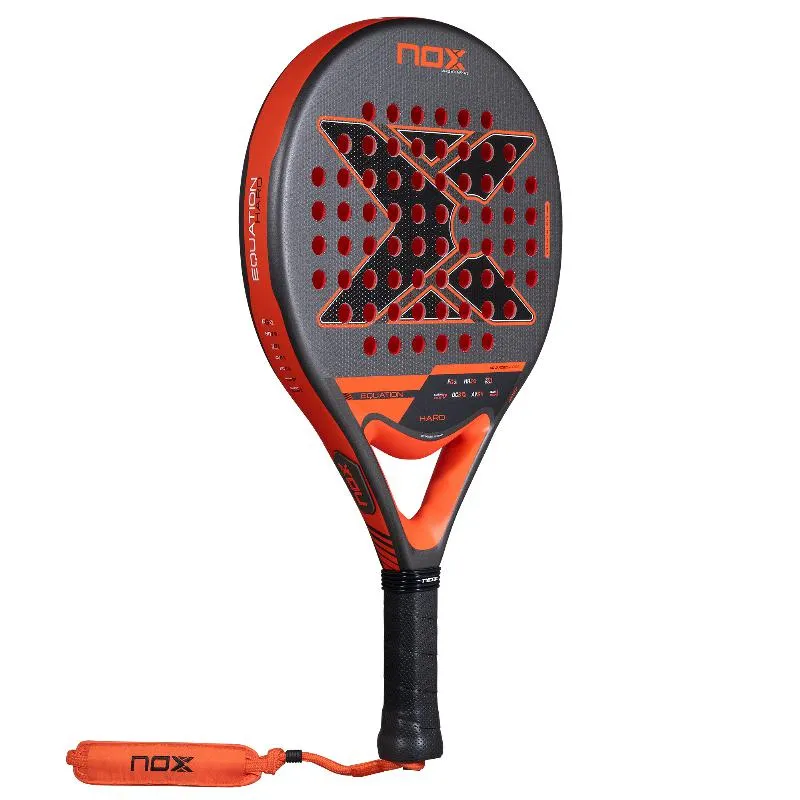
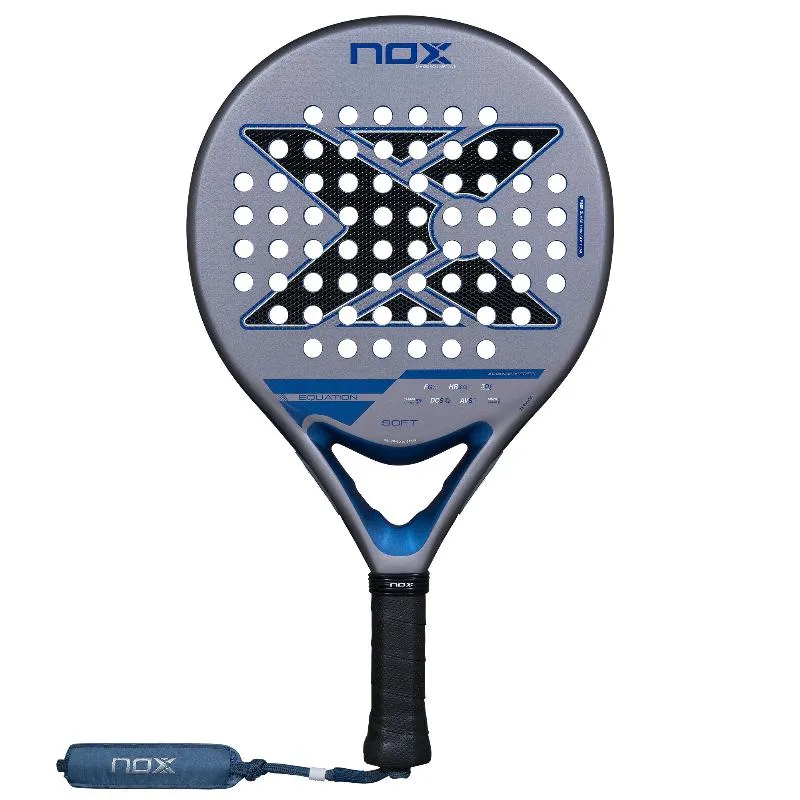
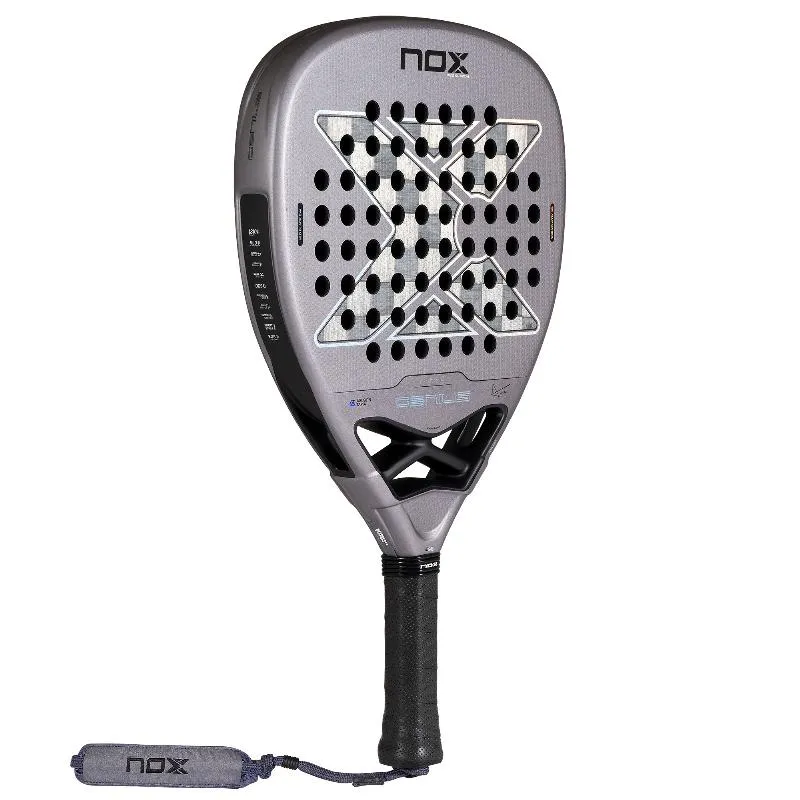
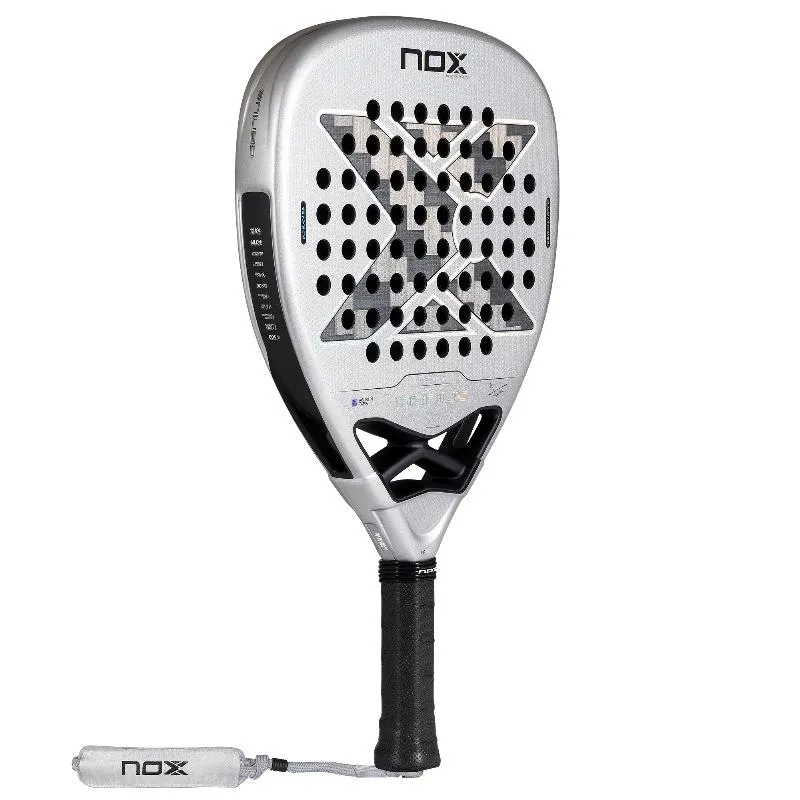
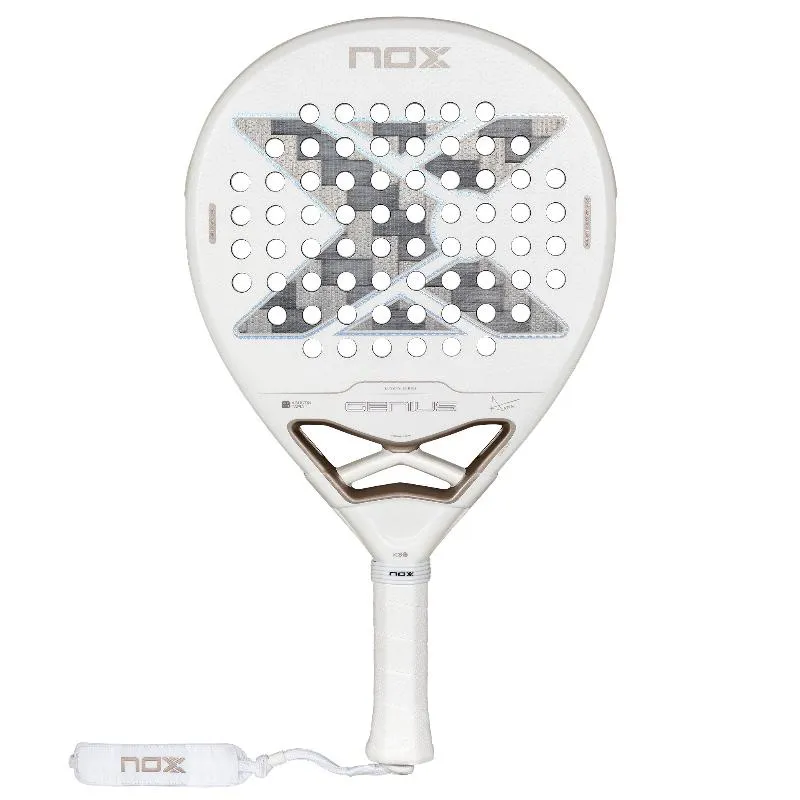
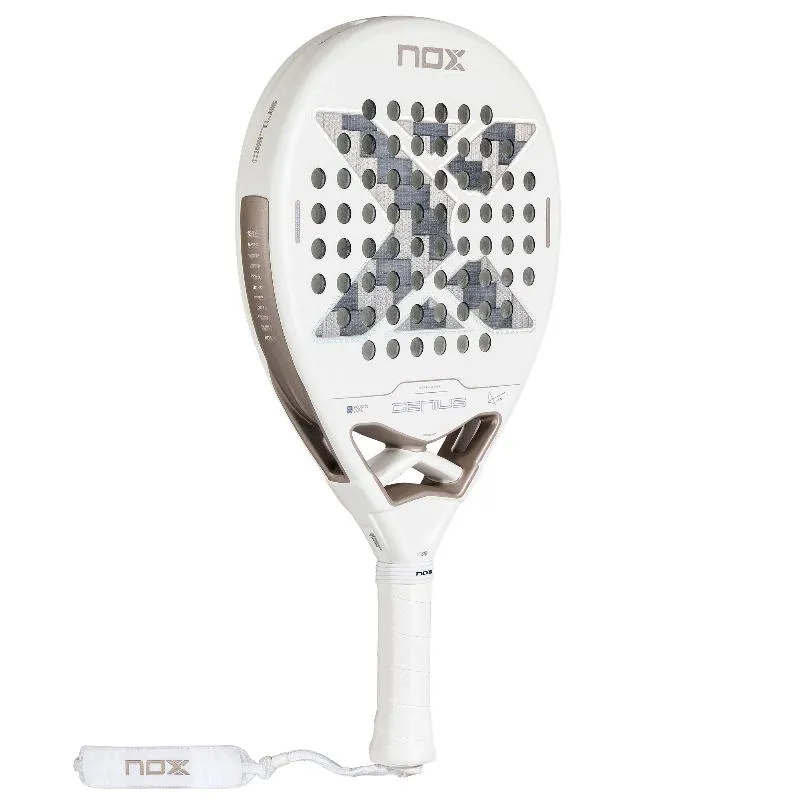
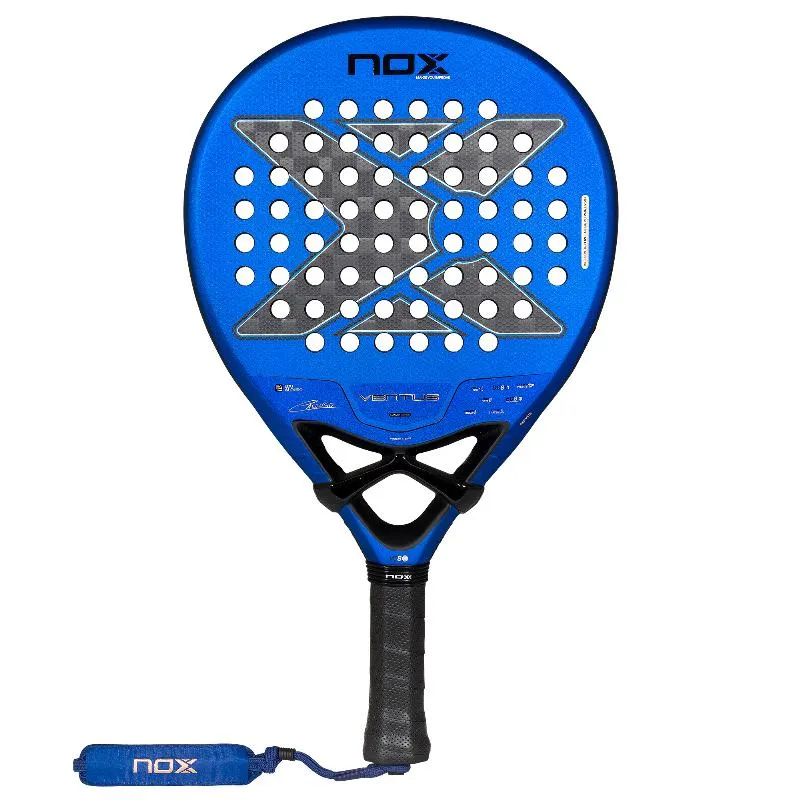
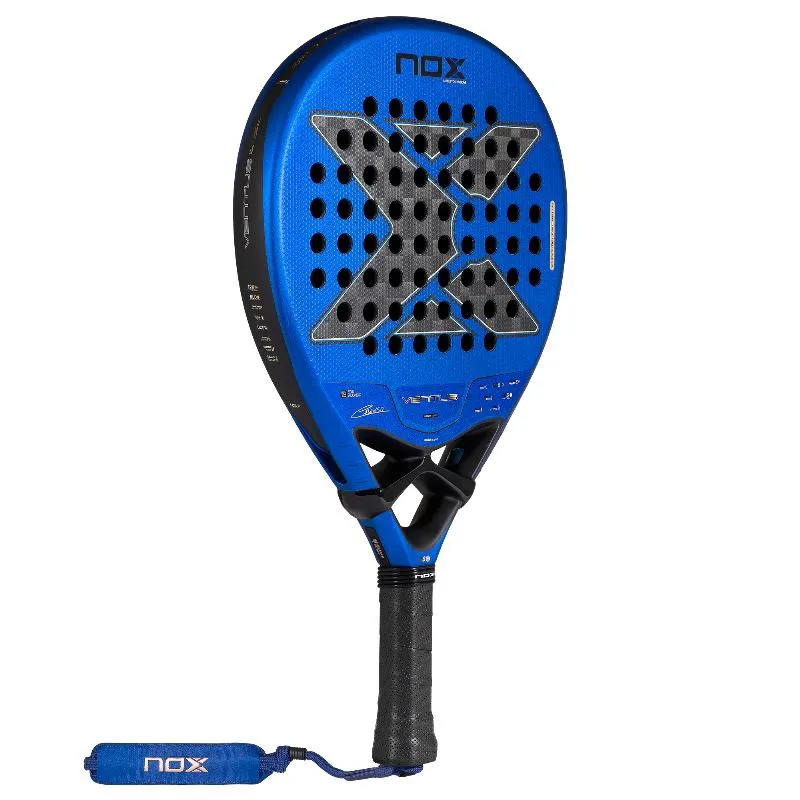
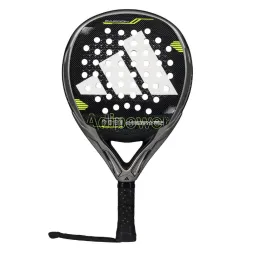
The lob is a technical resource that allows you to regain position, break the opponent's offensive rhythm, or even seek a direct point. Its correct execution can make the difference between a successful defense or being at the mercy of an opponent's attack. It's crucial to choose the right padel racket for better control and precision in lobs, something you can find in our specialized section.
What types of lobs are there in padel?
There are different types of lobs in padel, each with its own function and appropriate moment. Recognizing and practicing them will make your game more complete and effective.
Defensive or recovery lob
This lob is used when the player is under pressure or in an uncomfortable position. Its objective is to gain time, regain the net, and avoid the opponent's smash. Height and depth are key: the higher and deeper, the more difficult for the opponent.
Offensive or attacking lob
Unlike the previous one, the offensive lob aims to surprise and create a counterattack opportunity. It is usually played when the opponent is very close to the net, taking advantage of the open spaces at the back. Executing an offensive lob with a racket from renowned brands such as Adidas, Babolat, or Head can help you achieve greater precision and power.
Parallel lob
This is executed by sending the ball parallel to the sideline. It's ideal when the opponent covers the center a lot or when you want to move them toward the corner. This lob requires great control and is perfect for players looking to vary their repertoire.
Cross-court lob
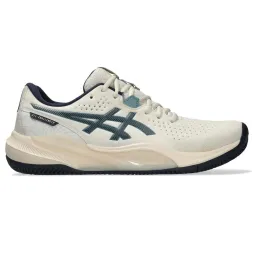
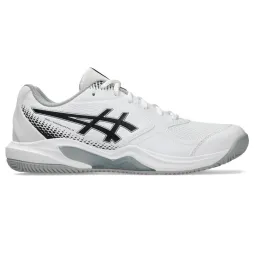
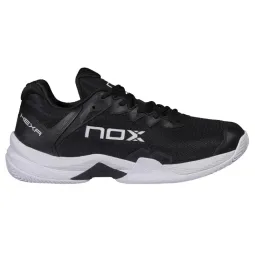
The cross-court lob is aimed towards the opposite side, passing over the diagonal. It's very useful for displacing opponents and opening angles on the court. Using this resource with suitable padel shoes will help you reach demanding balls and execute this shot more safely.
Short lob
This type of lob aims to drop just behind the net, forcing the opponent to move and creating uncertainty. It's less common and requires great subtlety, but can be lethal if executed correctly.
When should you use each type of lob?
The choice of lob type depends on the context of the point, the position of the opponents, and the state of the match. Here we explain the most recommended situations for each variant:
- Defensive: Use it when you're in trouble, far from the net, or after a demanding shot. It allows you to regroup and gain time.
- Offensive: Ideal when the opponent is glued to the net and leaves gaps at the back. It can become a direct point or put your opponent in trouble.
- Parallel: If one of the opponents covers the center a lot, the parallel lob can open up the court and create spaces.
- Cross-court: Use it to move opponents and take them out of their comfort position, opening up attacking angles.
- Short: Perfect for surprising and breaking the opponent's rhythm, especially if they expect a deep lob.
The key to a successful lob lies in both technique and tactical choice. Practice the different types and observe your opponents' behavior to choose the perfect moment.
How to improve your lob technique in padel?
Improving your lob technique requires practice and knowledge of the equipment. Here are some key tips:
- Grip the racket correctly, using a continental grip for greater maneuverability.
- Strike the ball at its lowest point to achieve more elevation and control.
- Relax your arm and use your leg movement to accompany the shot.
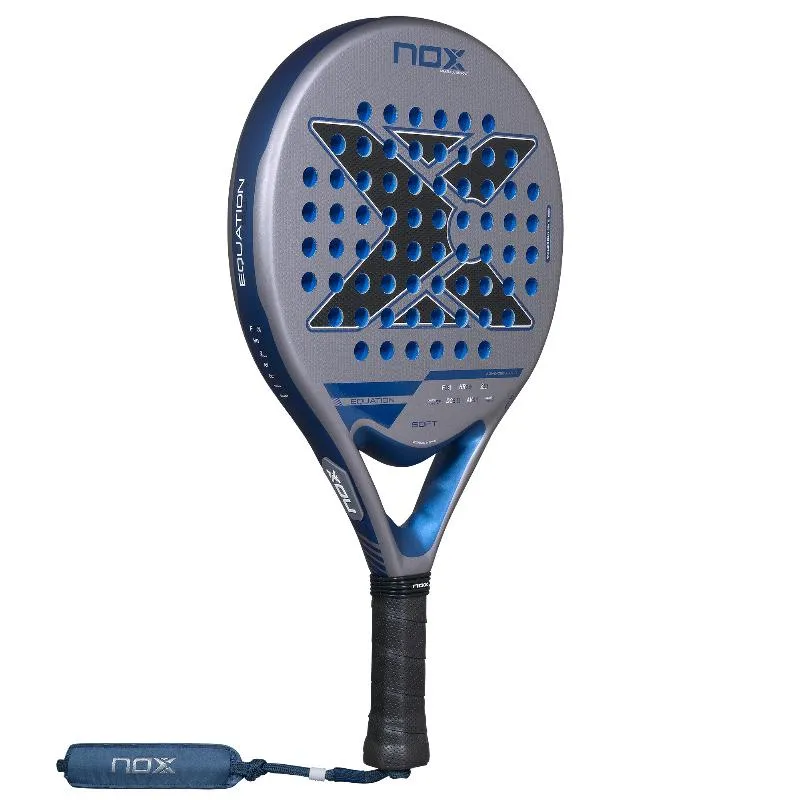
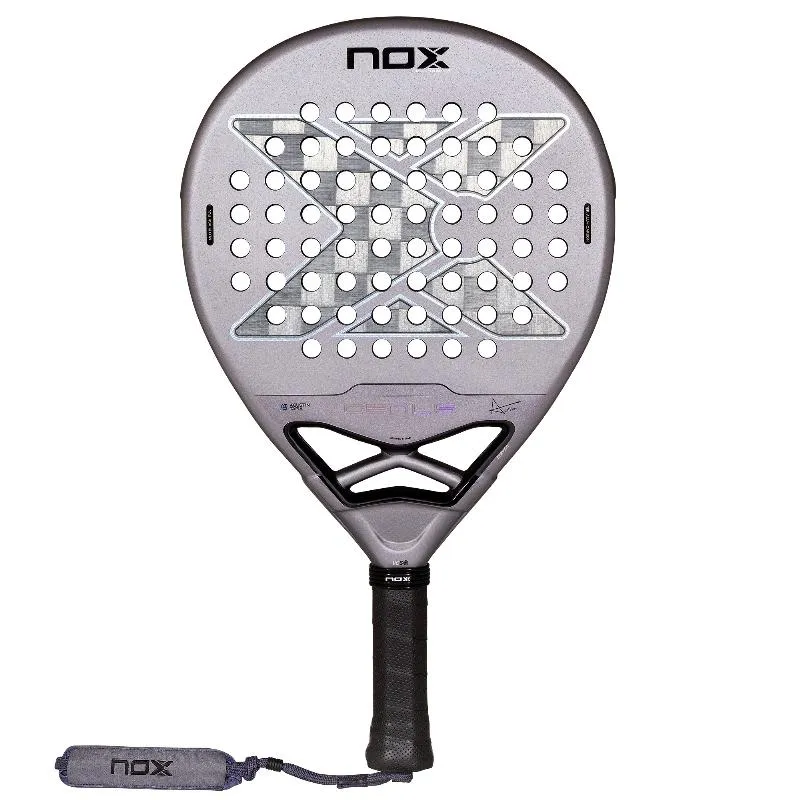
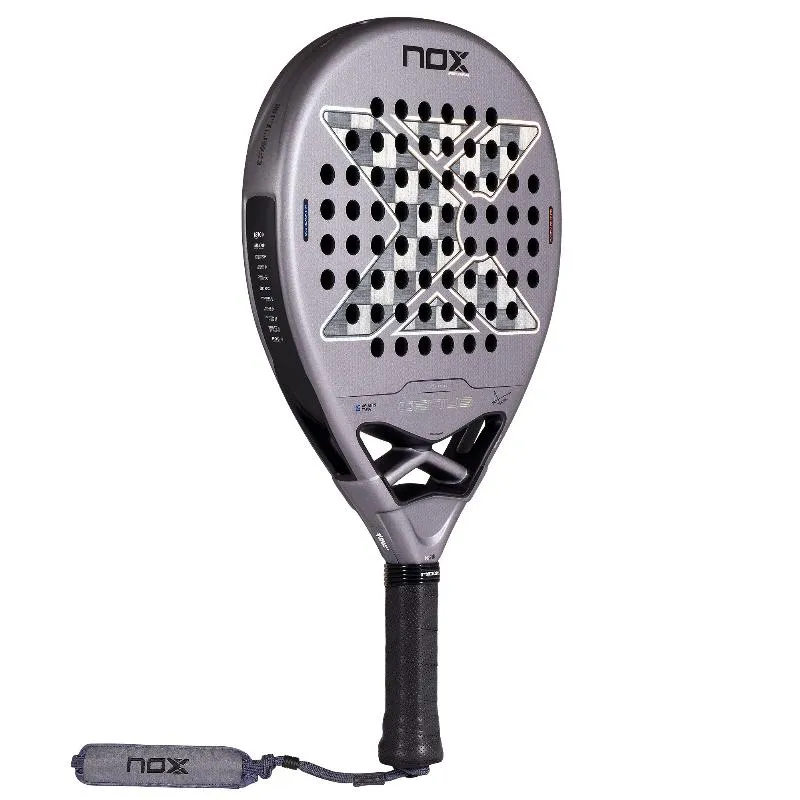
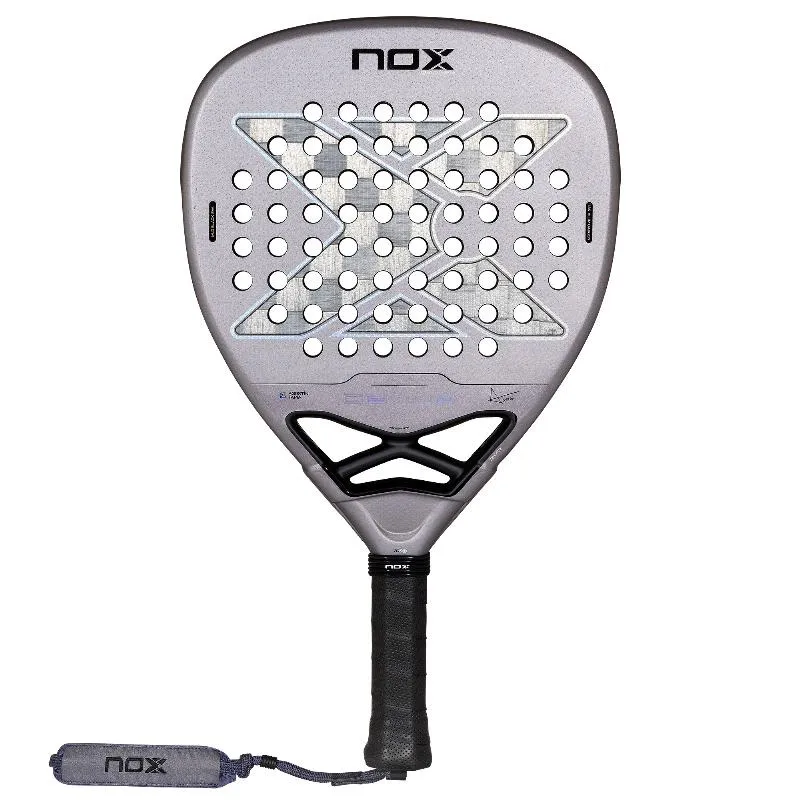
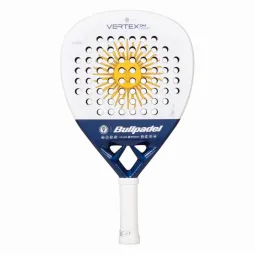
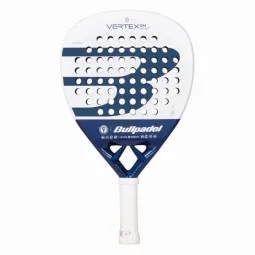
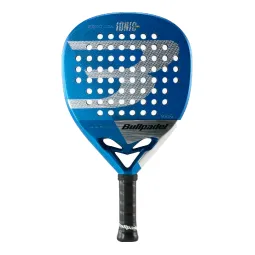
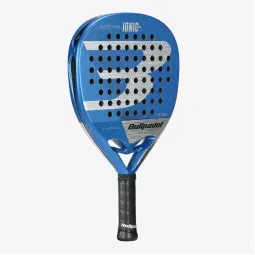
- Choose the right racket, such as those offered by top brands like Bullpadel, Nox, or Siux, which provide optimal control and ball output.
- Practice lobs in different situations, both defensive and offensive, to adapt to any match context.
Don't forget that specific training with quality padel balls helps achieve more stable and predictable trajectories in your lobs.
What mistakes should you avoid when lobbing?
Even experienced players can make mistakes when executing lobs. Here are the most common ones and how to avoid them:
- Coming up short: A short lob leaves the ball at the mercy of the opponent's smash. Make sure to give it enough height and depth.
- Lobs that are too high: Excessive height allows the opponent to time and prepare an easy smash.
- Lack of spin: A flat lob is easy to attack. Try to add topspin to make the return more difficult.
- Predictability: Always repeating the same lob makes it easy for the opponent to anticipate. Vary direction and height.
- Not observing the opponent's position: A good lob always considers where your opponents are and their movements.
Remember that equipment also influences lob execution. Having quality padel accessories, such as non-slip grips or protectors, can give you more confidence and security in your game.
How to choose the ideal equipment to boost your lobs?
Padel equipment directly influences the quality of your lobs. Choosing the right racket, clothing, and accessories will make a difference in your performance. The best brands in the sector, such as Wilson, Dunlop, or Starvie, offer products specifically designed to improve control, power, and comfort in every shot. Plus, taking advantage of deals in the OUTLET section will let you equip yourself with the best material at the best price.
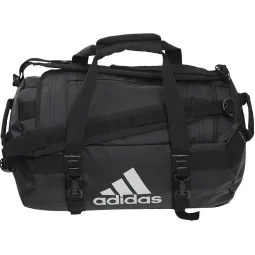
Additionally, transporting your gear in high-quality racket bags ensures you keep everything organized and protected. Don't forget to visit TiendaPadelPoint to discover the latest news and tips about the padel world and take your game to the next level with the best products on the market.
Padel Guide: Technical Knowledge and Applied Experience in the Game
tiendapadelpoint · Authority in padel, equipment and performance @ Copyright 2026