












Guia de Padel - PadelPoint
Differences Between the Various Types of Padel Racket Protectors
What are the differences between types of padel racket protectors?
Protecting your padel racket is essential to extend its lifespan and maintain top performance on the court. The different types of padel racket protectors offer tailored solutions depending on the player's needs, the racket's material, and frequency of use. In this guide, we analyze the features of each type of protector, their advantages, disadvantages, and who they are recommended for.
The importance of choosing a good protector
A suitable protector not only prevents knocks and scratches against glass or mesh but also avoids structural damage that can affect the racket's balance or power. In the Rackets Protectors section, you will find a wide variety of models for every need.
What types of padel racket protectors are there?
The market currently offers various types of protectors, mainly classified by material, thickness, design, and fixing method. The most common are:
- Basic adhesive protectors: lightweight and easy to apply, ideal for those seeking protection without added weight.
- Toothed or reinforced protectors: thicker and more resistant, designed for players who often hit the racket against the court.
- Custom protectors: allow you to add your own designs or logos, combining protection and style.
The Pro Elite Basic Transparent Protector 25 Units is an example of a basic adhesive protector, perfect for those looking for lightweight and discreet protection.
What materials are used in padel racket protectors?
The most common materials are:
- Polyurethane: flexible, transparent, and resistant. Does not alter the racket's balance.
- PVC or hard plastics: offer maximum protection but may add some weight and rigidity.
- Composite materials: blends of fibers and plastics, ideal for high-end rackets.
For example, the Protector Royal Padel Whip Extreme Negro stands out for its resistance and durability, while the Rox Maxise Black Protector combines lightness with good shock absorption.
How does the type of protector affect performance and durability?
The choice of protector directly affects the racket's weight, balance, and durability:
- Lightweight protectors: do not modify the balance, ideal for technical players.
- Thicker protectors: may slightly shift the balance toward the head, providing more protection but altering handling.
Tips for effective protection
Replace the protector if you notice cracks or it starts to peel off, especially in models like the Pro Elite Toothed Protector Extremadura, which offers maximum resistance in demanding conditions.
Which protector to choose based on racket type and playing level?
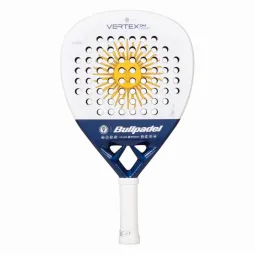
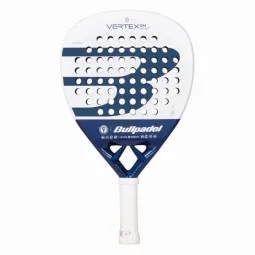
If you play with professional-level or high-resistance rackets, such as the Pala Bullpadel Juan Tello Vertex 04 2024, it is advisable to opt for reinforced protectors. For players prioritizing control and lightness, a basic adhesive protector suffices.
For rackets designed for women or those seeking maneuverability, such as the Bullpadel Ale Salazar Flow Woman 2025 Racket, choosing a lightweight protector is key to maintaining the racket's original feel.
Accessories and compatibility
Before choosing, check the compatibility of the protector with your racket model. Always consult the recommendations in the Padel Rackets category for the latest launches and compatible accessories.
Where to buy protectors and padel rackets with warranty?
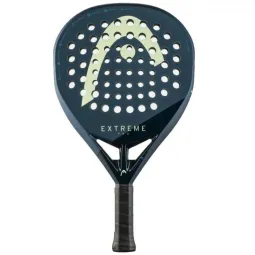
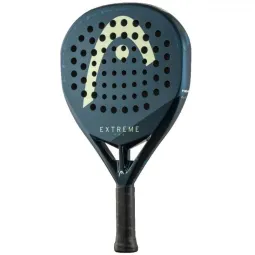
To ensure quality and authenticity, trust specialized stores with a wide range and expert advice. In HEAD you can find certified racket models and protectors.
Some recommended rackets you can protect with these accessories are the Pala Enebe RSX 7.1 Carbon V.2 2025, the Pala Puma Nova Pro Hybrid Negro Gris, and the Siux Stupa Electra Pro 2026 Black Red Paddle, all compatible with the main types of protectors.
Summary and final recommendations
Choosing the right protector depends on the racket type, your level of play, and how often you use it. A good protector is an affordable investment that helps maintain your racket's performance and appearance for longer. Don't forget to periodically check the protector's condition and replace it at the first sign of wear.