










Guia de Padel - PadelPoint
Types of soles in padel shoes and recommendations
Understanding the importance of the sole in padel shoes
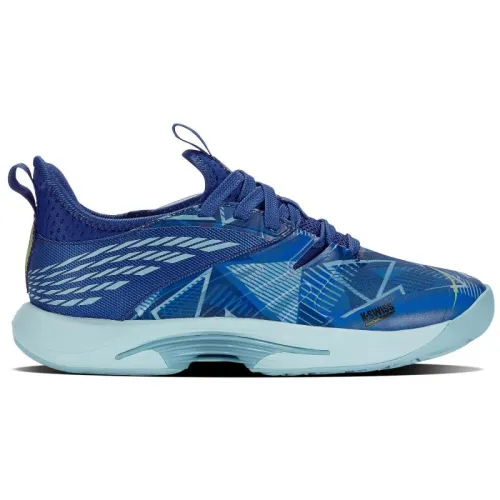
Choosing the right padel shoes is fundamental to maximising performance and preventing injuries on the court. A key factor in this footwear is the different types of soles, as each is designed to adapt to specific surfaces and offer a balance between grip, sliding and durability. In this TiendaPadelPoint guide, we detail the main sole options for padel shoes and which to choose according to the court you usually play on.

What types of soles exist in padel footwear?
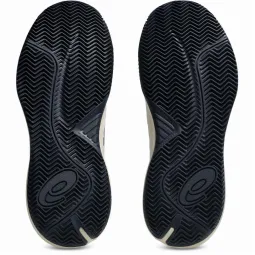
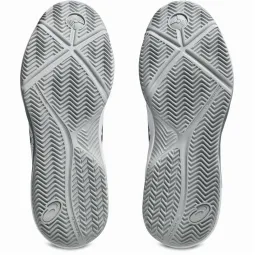
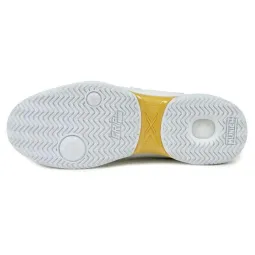
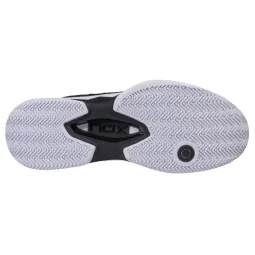
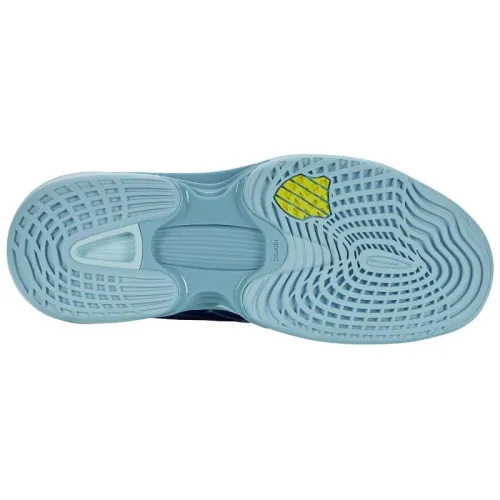
In the world of padel, there are mainly three types of soles for shoes: clay (herringbone), omni and mixed. Each of these has its own features that directly affect the player's experience:
- Clay or Herringbone Sole: Its herringbone design is the most classic and widespread. It provides optimal grip on artificial grass courts with sand, allowing controlled sliding and preventing slips.
- Omni Sole: With small dots or studs, this sole is common in multipurpose models. It offers significant grip on hard courts or those with little sand, although it wears faster on abrasive surfaces.
- Mixed Sole: A combination of the above, designed for players who alternate surfaces. It achieves a balance between grip and mobility, ideal for those seeking versatility.
Materials and technologies applied to the sole
Leading brands like Adidas, Asics or Bullpadel work with high-resistance rubber compounds and advanced cushioning technologies. These materials not only extend the sole's lifespan but also enhance comfort and joint protection during play.
Which sole is most recommended according to the surface?
The choice of the right sole depends directly on the type of court. We analyse the most common scenarios to help you always get it right:
- Artificial grass courts with sand: The clay sole is the preferred option, as it allows controlled sliding and reduces sand accumulation on the sole.
- Courts with little or no sand: Here, the omni sole stands out for its extra grip, preventing unexpected slips.
- Hard or cement courts: It is better to opt for mixed soles or those specific for this surface, as they offer durability and a balance between traction and sliding.
If you usually play on different courts, a shoe with a mixed sole can be your best ally.
What are the advantages of each type of sole?
- Clay sole: Greater durability, excellent sliding, less sand accumulation.
- Omni sole: Superior grip for quick direction changes, ideal for new courts or those with little sand.
- Mixed sole: Adaptable to any surface, maximum versatility for multipurpose players.
How does the sole influence performance and injury prevention?
The type of sole not only affects grip but is key in injury prevention. Suitable footwear reduces the risk of sprains, joint overload and muscle fatigue. In addition, the cushioning technologies used by brands such as Head, Joma or Mizuno provide stability and shock absorption, essential for player health.
Tips to extend the life of your sole
- Clean your shoes after each use, removing sand and dirt.
- Avoid wearing padel shoes outside the court to prevent unnecessary sole wear.
- Check the sole's pattern regularly to maintain optimal grip.
Where to find the best padel shoes for each surface?
At TiendaPadelPoint you will find a selected catalogue of padel shoes from top brands such as Adidas, Asics, Bullpadel, Head, Joma, Mizuno, Nox, Vibora and many more. Discover the latest releases and choose the ideal model according to your needs and the type of court you play on. If in doubt, our expert team will advise you to make the best choice.
Looking for the latest padel shoe releases?
Don't forget to check out the new arrivals in our shop to always stay at the forefront of padel.
Padel Guide: Technical Knowledge and Game Experience Applied
tiendapadelpoint · Authority in padel, equipment and performance @ Copyright 2026