














































































Guia de Padel - PadelPoint
Types of soles in padel shoes and which to choose
Key points to differentiate sole types in padel shoes
Choosing the right padel shoes is crucial for performance and injury prevention on the court. One of the most important factors in footwear is the type of sole, which directly affects grip, durability, and comfort. In such a dynamic sport as padel, knowing the differences between sole types and understanding which one suits your game can make a significant difference.

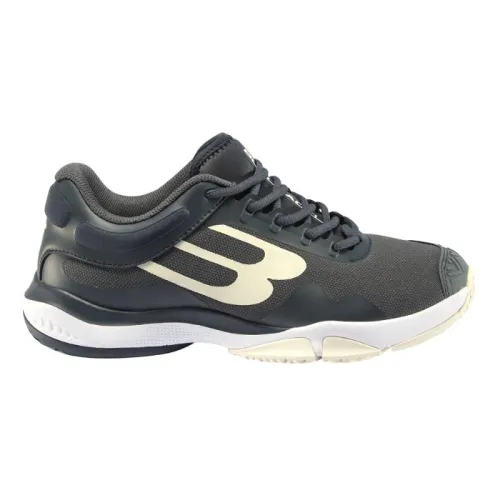
The store TiendaPadelPoint offers a wide variety of models and leading brands such as Adidas, Asics, Babolat, Bullpadel, Head, Joma, Munich, Nox, Lotto, Wilson and many more, allowing you to choose between different sole styles and technologies. Below, we explain the features and advantages of each type so you can make the best decision.
Why is the sole so important in padel?
Padel is a sport that requires lateral movements, sudden changes of direction, and jumps. The shoe's sole must provide grip, stability, and prevent slipping, but also allow certain mobility when the court requires it. A wrong choice can lead to falls and discomfort in feet and joints, hence the importance of knowing the available options.
What types of soles exist for padel shoes?
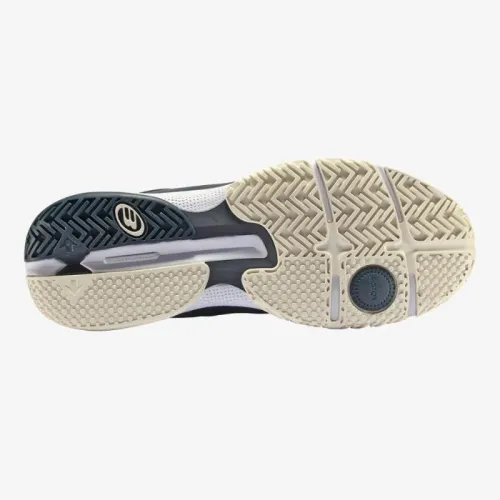
There are three main types of soles in padel shoes: herringbone (clay), omni, and mixed soles. Each is designed to offer specific performance depending on the court type and the player's style.
Herringbone sole (clay)
- Features: Zigzag or herringbone pattern, similar to tennis shoes for clay courts.
- Advantages: Excellent grip on artificial grass and sand courts, allowing sliding without losing stability. It is the most used in professional padel and recommended for most players.
- Disadvantages: Can accumulate more sand on the sole, requiring frequent cleaning to maintain performance.
Omni sole
- Features: Small dots or circles over the entire sole surface.
- Advantages: Offers greater grip on courts with little sand, ideal for players seeking fast movements and explosive changes of direction.
- Disadvantages: Usually wears out faster and, if there is a lot of sand, can be slippery.
Mixed sole
- Features: Combines herringbone and omni areas, seeking the best of both worlds.
- Advantages: Adapts well to different surfaces and to players who alternate between courts or do not have a clear preference.
- Disadvantages: Usually does not reach maximum performance in extreme conditions like specialized soles do.
How to choose the ideal sole according to the court type?
The choice mainly depends on the surface you usually play on:
- Courts with a lot of sand: The herringbone sole is the most recommended, as it prevents excessive sliding and provides the best control.
- Courts with artificial grass and little sand: Omni or mixed soles can offer extra traction, especially for those who prefer faster movements.
- Indoor or hard surface courts: The mixed sole can be the best option, as it adapts to changes in grip and wear.
Always check the recommendations of leading padel shoe brands, such as Bullpadel or Asics, as each manufacturer may innovate in materials and specific technologies.
Tips to maximize the durability of your sole
To make your padel shoes last longer:
- Avoid walking with them off the court to prevent premature sole wear.
- Clean them after each use, removing sand and debris.
- Change shoes when you notice a loss of grip, even if the rest of the shoe is in good condition.
Which brands offer the best soles in padel shoes?
At TiendaPadelPoint you will find models from renowned brands known for the quality of their soles:
- Adidas: Innovation in compounds and sole patterns.
- Asics: Reference in comfort and grip.
- Babolat: Collaboration with Michelin for high-resistance soles.
- Bullpadel: Specialists in soles adapted to each surface.
- Head: Balance between traction and sliding.
- Joma: Excellent value for money.
- Munich: Stand out for durability and design.
- Nox: Models with padel-specific soles.
- Lotto: Specialists in versatile sports footwear.
- Wilson: International reference in racket sports.
These brands, available in our padel shoes section, guarantee quality, innovation, and comfort for all player levels.
How does your playing style influence sole selection?
It's not just about the court: your style of play should also influence the decision. If you are an aggressive player, who makes many sprints and changes of pace, you can benefit from omni or mixed soles. If, on the other hand, you prioritize stability and controlled sliding, the herringbone sole will be your best ally. Also consider shoe weight, cushioning, and closure type for a complete experience.
Conclusion and final recommendations
Ultimately, the choice of sole type in your padel shoes should respond to both court characteristics and your personal preferences and needs. The herringbone sole is the most versatile and recommended option in most cases, but if you play on indoor courts or with little sand, omni and mixed options may offer additional advantages. Explore our variety of padel shoes and see for yourself.
Padel Guide: Technical Knowledge and Applied Game Experience
tiendapadelpoint · Authority in padel, equipment and performance @ Copyright 2026
