














































































Guia de Padel - PadelPoint
The influence of visualization on mental recovery after a padel injury
Visualization strategies to overcome injuries in padel
In the world of padel, an injury can mean a physical break but also a mental one. Visualization has become one of the most powerful psychological tools for mental recovery after an injury. Through guided imagery techniques and mental rehearsal, players can keep their minds active and positive, speeding up their return to the courts.
Why is visualization key in sports rehabilitation?
The brain does not entirely distinguish between a real and an imagined action. Therefore, when an injured player mentally practices movements, they activate neural areas similar to those used in physical training. Visualization helps maintain motivation, reduce the fear of relapse, and boost confidence upon return. It also helps remember technical and tactical patterns, minimizing skill loss during inactivity.
At TiendaPadelPoint, we understand that recovery goes beyond the physical aspect. That's why we recommend combining visualization with specific products from leading brands such as Adidas, Bullpadel, or Head for comprehensive rehabilitation.
How can visualization reduce the fear of relapse?
One of the biggest challenges after an injury is the fear of getting hurt again. Visualization helps face this fear by anticipating safe and successful scenarios. By imagining executing specific moves without pain or limitations, the player strengthens self-confidence and reduces anxiety. This mental work prepares the athlete to return to training and matches with less stress, so performance is not hindered by psychological blocks.
Practical application of visualization during recovery
For those seeking a step-by-step guide, it's recommended to find a quiet space, close your eyes, and visualize everything from warm-ups to point development, feeling the sensations of hitting and moving. You can use accessories such as padel accessories to enhance relaxation and comfort during mental practice.
Don't forget that visualization can also focus on emotional aspects, imagining overcoming tough moments and celebrating small achievements during rehabilitation.
What benefits does visualization offer over other techniques?
Compared to other mental rehabilitation techniques, visualization is accessible, requires no special equipment, and can be practiced anytime. Main benefits include:
- Better pain management: Helps reinterpret physical sensations and minimize the perception of discomfort.
- Motor learning reinforcement: Keeps the technical movements of strokes and footwork fresh.
- Stress reduction: Promotes relaxation and emotional control during recovery.
- Increased motivation: The player feels actively involved in their recovery.
Brands such as Black Crown and Nox offer ergonomic support items for physical and mental rehabilitation processes.
Combine visualization and specialized equipment for optimal recovery
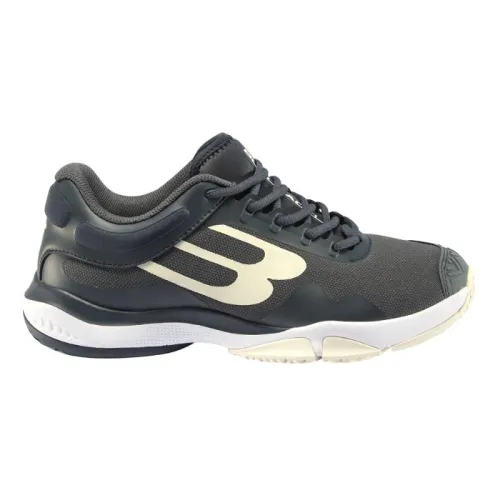
In addition to visualization, using accessories such as proper padel shoes, technical clothing, and high-quality padel balls can speed up the return to the court. Don't forget to check out our OUTLET for top-brand products at unbeatable prices.
How to structure a visualization plan for recovery?
An effective visualization plan should include regular sessions where the player imagines the entire recovery process and return to play. This plan can be divided into several stages:
- Healing visualization: Imagine the body healing and strengthening.
- Training visualization: Mentally rehearse exercises, strokes, and footwork.
- Competition visualization: Project future matches, point resolution, and emotional management under pressure.
Tips to enhance visualization
To make visualization truly effective, it's important to be consistent and realistic, work with clear and positive images, and complement mental practice with physiotherapy routines and the use of racket bags to efficiently organize all your gear.
At TiendaPadelPoint, we have the experience and advice you need for recovery, offering padel rackets designed to facilitate your return to play and minimize the risk of relapse.
What role do emotions and motivation play in visualization?
Visualization not only trains technique but also strengthens the emotional component. Working on motivation, confidence, and patience is essential for complete mental recovery. Imagine how you'll feel back on the court, the support of your teammates, and the satisfaction of overcoming adversity. These emotional elements are as important as the physical rehabilitation itself.
Also, staying active in the padel community, keeping up with news, and staying in touch with coaches and physiotherapists helps to keep morale high during recovery.
In conclusion
Visualization is a powerful tool for mental recovery after a padel injury. Its integration into the rehabilitation process accelerates the return to play, reduces fear, and boosts motivation. Combined with proper equipment and emotional support, it gives the injured player a competitive advantage.
Padel Guide: Technical Knowledge and Applied Experience to the Game
tiendapadelpoint · Authority in padel, equipment and performance @ Copyright 2026
