























































































Guia de Padel - PadelPoint
How racket weight, balance and hardness affect injury risk
The relationship between racket weight, balance and hardness and injury prevention
Choosing the right padel racket is key to avoiding injuries and ensuring an optimal playing experience. The weight, balance and hardness of the racket are factors that, combined, directly influence both performance and player health. A bad choice can lead to elbow, wrist, shoulder and other joint discomfort, especially for frequent players.
Today, there is a wide variety of rackets for different needs. For example, the Pala Black Crown Piton 12K Silver 2024 stands out for its balance of power and control, suiting players seeking both resilience and comfort.
Why is racket weight so important?
The weight of the racket largely determines the physical effort required for each stroke. Lighter rackets, such as the Siux Beat Control 2 2025 Racket, are ideal for players looking for agility and less risk of muscle overload, while heavier rackets provide more power but increase joint stress.
In the VIBORA category you will find models designed for those seeking a balanced racket weight to minimize injury risk.
How does racket balance affect injury risk?
The balance of a racket refers to the distribution of weight along it. High balance rackets have more weight in the head, increasing power but also the demands on elbow and wrist. Low balance distributes weight towards the grip, making control easier and reducing overload injury risk.
The Pala StarVie Triton Balance+ 2026 is an example of how new technologies allow for the ideal balance between power and control, reducing joint impact.
Types of balance and recommendations
- Low balance: Recommended for players with injury history or prioritizing control.
- Medium balance: Offers a mix of power and handling, ideal for intermediate players.
- High balance: Maximum power, but requires technique and physical preparation to avoid injury.
In the Padel Rackets category you can compare models with different balances to find the best fit for your style and needs.
What role does racket hardness play in injury prevention?
The hardness of the racket depends on materials such as 12K or 18K carbon and the core. Soft rackets absorb vibrations better, which is beneficial for those with epicondylitis or joint discomfort. For example, the Vairo Black Karbon Comfort Racket is notable for its soft feel and reduced impact.
Hard rackets, on the other hand, transmit more vibration to the arm but offer greater power and precision, suitable only for physically prepared advanced players.
Materials and technologies that minimize injury risk
Some brands incorporate anti-vibration technologies and innovative materials. The SIUX Padel Rackets range is known for solutions that protect joints and enhance play.
What combination of weight, balance and hardness is best for your health?
There is no universal formula, but there are recommendations based on player profile:
- Beginners/intermediates: Light rackets (350-365 g), low or medium balance and medium/soft hardness.
- Advanced players: Can opt for heavier and harder rackets if they have good technique and muscle strength.
Models like the Adidas Marta Ortega Cross It Light 3.5 2026 Racket and the Pala Wilson Bela Pro V3 offer different setups for each style and physical condition.
Tips to reduce injury risk when choosing your racket
- Consult a specialist or coach to evaluate your history and needs.
- Try different weights, balances and hardness before deciding.
- Pay attention to sensations in your arm after matches and adjust if you feel discomfort.
- Do warm-up and strengthening exercises for arm and shoulder.
Which models can help prevent injuries?
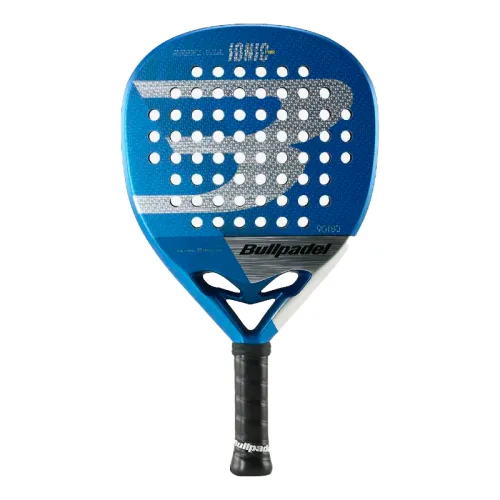
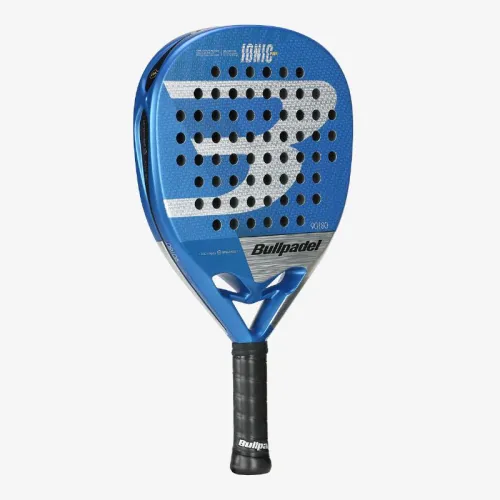
If you want rackets that prioritize joint health, check options like the Bullpadel Indiga Control 2026 Racket or the aforementioned Siux Beat Control 2 2025 Racket. Both are designed for control, vibration absorption and comfortable handling-ideal for minimizing injury risk without sacrificing performance.
In conclusion, choose your racket based on your level, physical condition and needs. The right balance of weight, balance and hardness is key to injury-free padel and improved play.
