
















































































Guia de Padel - PadelPoint
Differences in Weight Transfer Between Groundstrokes and Volleys
How Biomechanics Influence Weight Transfer in Padel Shots
Weight transfer is fundamental in padel, as it determines the effectiveness and power of each shot. In both groundstrokes and volleys, the way you shift your body weight to the ball directly affects the shot's direction, speed, and control. However, technical and situational differences on the court mean that weight transfer is executed differently in each case.
In groundstrokes, such as forehands or backhands, the weight transfer is generally broader and more progressive, as the player has more time to prepare the stroke. In volleys, the action is much quicker and more compact, demanding an explosive and brief weight transfer.
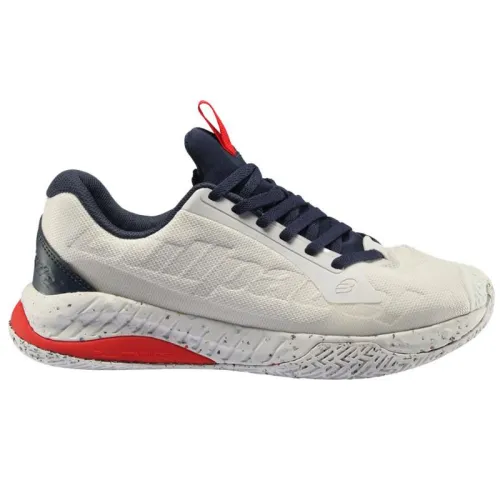
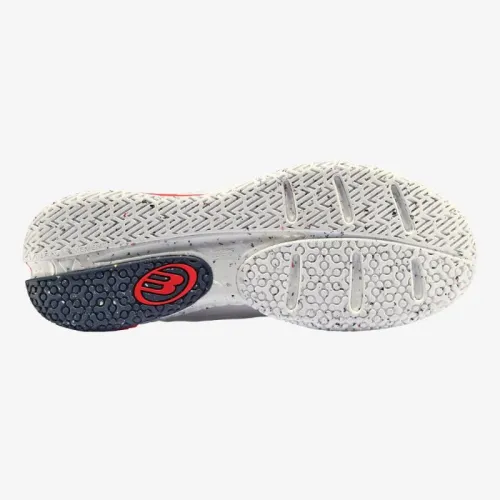
To master both types of strokes, it's essential to choose the right shoes and complement your technique with accessories that enhance performance and safety, all available at TiendaPadelPoint.
The Importance of a Solid Base in Technical Execution
The position of your feet and a stable base are key to effective weight transfer. In groundstrokes, your feet are usually further apart, allowing more body swing and facilitating the shift of weight from the back to the front leg. In volleys, the base is narrower, and the weight moves quickly forward, favoring quick reaction and net control.
What Role Does Weight Transfer Play in the Power of Groundstrokes?
Power in groundstrokes largely depends on correct weight transfer. When preparing for the shot, weight is loaded onto the back leg. During the swing, the weight moves to the front leg, accompanying the arm and racket movement. This process generates greater inertia and allows you to hit the ball faster.
Using quality padel rackets from renowned brands (such as Adidas, Bullpadel, Head, or Wilson) also helps optimize transfer and achieve more powerful and precise shots.
Common Mistakes in Weight Transfer During Groundstrokes
- Not loading enough weight onto the back leg before hitting.
- Transferring the weight too late, reducing power and causing loss of control.
- Using only the arms, without involving the lower body.
- Lack of knee flexion, hindering smooth transfer.
How Does Weight Transfer Differ in Volleys Compared to Groundstrokes?
In volleys, weight transfer is subtler and faster. The player slightly leans on the back leg just before the stroke but transfers the weight forward almost instantly, using the body's natural inertia. Since volleys are played near the net and require quick reactions, the movement is smaller, prioritizing stability and control.
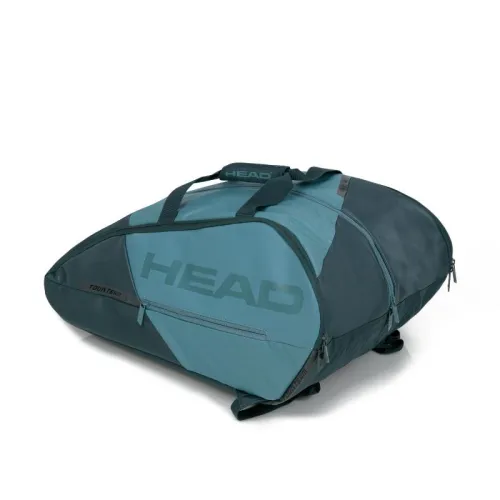
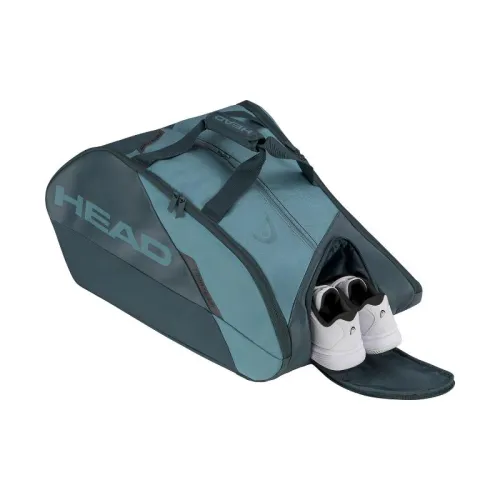
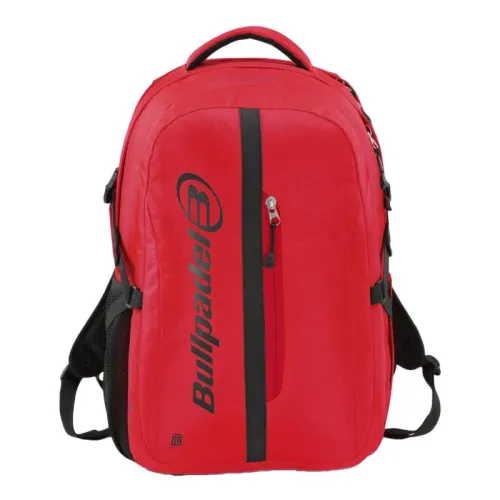
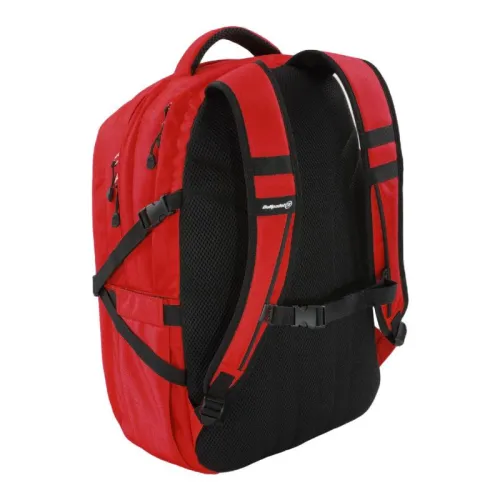
Using ergonomic racket bags allows you to safely transport your equipment, protect your racket, and move easily during matches, which is fundamental for optimizing technique in both groundstrokes and volleys.
Tips to Improve Weight Transfer in Volleys
- Maintain an active ready position, with weight slightly forward.
- Transfer weight to the front leg right at impact.
- Avoid leaning excessively on your heels to maintain reactivity.
- Work on coordination between foot and hand movement.
What Exercises Help Perfect Weight Transfer in Padel?
Specific training is key to automating weight transfer and making it a natural part of your game. Recommended exercises include:
- Lateral movements with hitting, alternating weight loading and unloading.
- Simulated swings without the ball to internalize hip and leg movement.
- Reaction drills with fast balls to improve transfer in volleys.
- Sets of squats and jumps to enhance the base and explosiveness.
In addition, using quality padel balls during practice provides realistic sensations and helps perfect every technical detail.
The Importance of Equipment and Gear
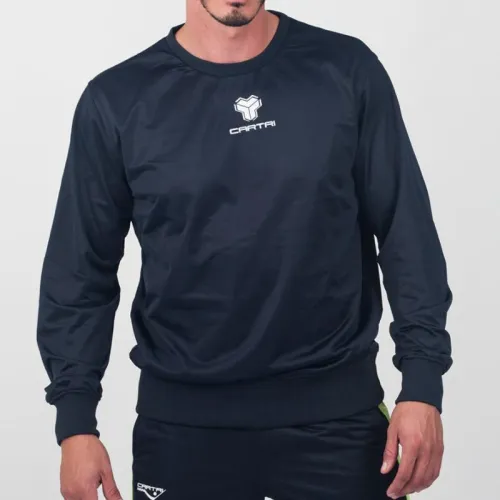
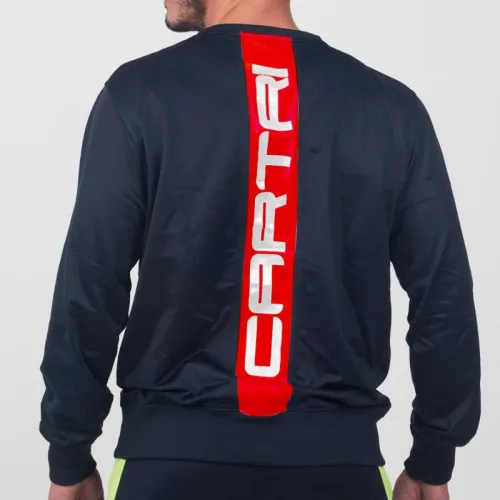
Having the right clothing also influences freedom of movement and proper execution of weight transfer, especially in fast plays like volleys.
How to Apply Weight Transfer Correctly According to Game Situation?
Weight transfer should adapt to court position and the type of shot to be played. In defensive situations, such as groundstrokes, a progressive transfer is recommended to maintain control. In offensive situations, like volleys at the net, the transfer must be quick and forceful to surprise your opponent.
Experienced players often alternate their weight transfer based on surface type and racket characteristics. For example, rackets from brands like Nox or Starvie can offer different sensations, requiring technical adjustments in weight transfer.
In short, understanding and training weight transfer in groundstrokes and volleys is essential to raise your playing level and enjoy a more complete on-court experience.
Optimize Every Shot with the Best Accessories
The wide range of padel accessories can help you personalize your training and improve the ergonomics of every move, from wristbands to grips and protectors.
Padel Guide: Technical Knowledge and Practical Experience for the Game
tiendapadelpoint · Authority in padel, equipment and performance @ Copyright 2026
