








Guia de Padel - PadelPoint
Best sole type for wet padel courts
How to choose the safest sole for wet courts
Playing padel in wet conditions or after rain requires special attention to footwear. The type of sole on your padel shoes is crucial to guarantee your safety, avoid slips, and maintain optimal performance. This article explains which sole is best for wet padel courts and how to choose your ideal footwear.
Why is the sole so important on wet courts?
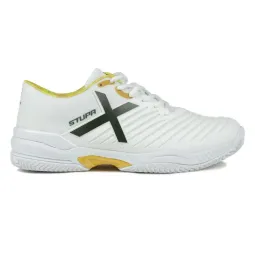
Padel courts, especially those with artificial grass and sand, can become extremely slippery when wet. An inappropriate sole can make you lose stability and increase the risk of injury. That's why investing in high-quality, specific shoes is as important as choosing your padel racket.
- Slip prevention: The pattern and material of the sole define the level of traction.
- Adaptability: Some soles perform better in dry conditions, while others are made for wetness.
- Durability: Soles designed for wet play often last longer under these conditions.
Which sole type offers the most grip on wet surfaces?
There are mainly three types of soles in padel shoes: herringbone (clay), omni, and mixed. However, not all behave the same on wet courts. Here's how they differ and which is recommended:
Herringbone or clay sole
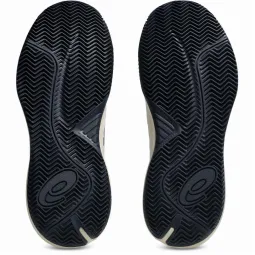
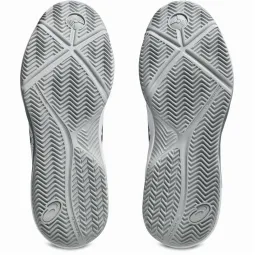
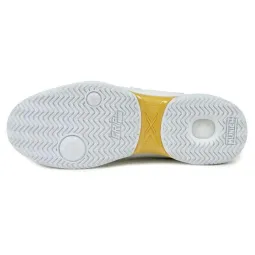
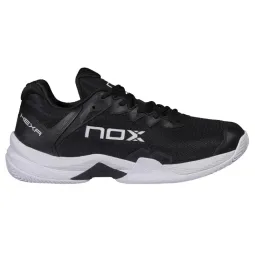
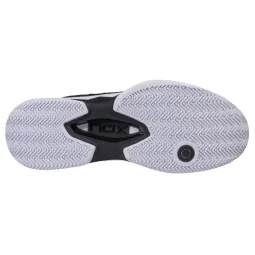
The herringbone sole, also known as clay, is the most popular in padel. Its deep zigzag pattern allows water and sand to escape, providing excellent grip even in wet conditions. Therefore, most experts recommend this type of sole when courts are wet.
- Advantages: Maximum grip, durability, and easy water drainage.
- Disadvantages: May accumulate mud if the court is very muddy.
Omni and mixed soles
Omni soles feature small dots or studs, offering good grip on dry courts and a softer feel. However, on wet surfaces, they tend to slip more than herringbone soles. Mixed soles combine both patterns, but in wet conditions, herringbone remains the standard.
Which brands stand out for shoes for wet courts?
At TiendaPadelPoint you'll find padel shoes from top international brands, many of which have models specifically for wet play.
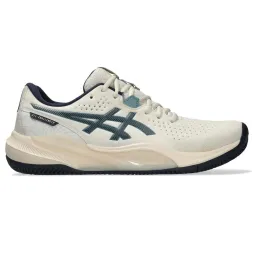
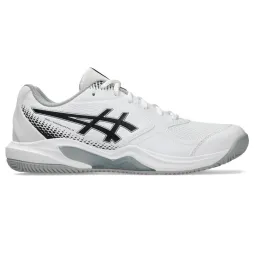
- Asics: Known for high-quality clay soles, ideal for wetness.
- Adidas: Shoes with technology and maximum grip patterns.
- Bullpadel: Models with different sole types for every surface.
- Joma: Versatile options for all conditions.
- Munich: Mixed and clay patterns with great water drainage.
- Mizuno: Noted for innovation in soles and grip materials.
- Wilson: Soles with excellent traction and resistance in adverse conditions.
How to care for your shoes after playing on wet courts?
After every match on a wet court, it's essential to clean and dry your shoes well to avoid bad odors and extend their life. Follow these tips:
- Remove excess water and sand with a dry cloth.
- Take out the insoles and let the interior air out.
- Do not use direct heat sources, let them dry naturally in the shade.
- Check the sole's pattern regularly.
Besides shoes, there are padel accessories such as technical socks that help keep your foot dry and prevent internal slipping.

What else to consider when choosing shoes for rain?
In addition to the sole type, consider the shoe's outer material. Look for fabrics that repel water without losing breathability, and reinforcements at the toe and sides for more protection. If you're looking for deals, check our OUTLET section for models from previous seasons at unbeatable prices.
Remember, choosing the right padel shoes for wet courts can make the difference in your game and, most importantly, your safety. Check new launches in our New Arrivals section.
How do you know when to change your padel shoes?
Sole wear is faster if you often play on wet courts. If you notice the herringbone pattern is smooth or the shoe no longer grips as before, it's time to replace them. At TiendaPadelPoint we work with the best brands and advise you on your next footwear for any condition.
Padel Guide: Technical Knowledge and Experience Applied to the Game
tiendapadelpoint · Authority in padel, gear and performance @ Copyright 2026