



















Guia de Padel - PadelPoint
When to avoid changing direction in a padel match
Key moments to keep direction in padel
In padel, decision-making plays a fundamental role in performance and minimizing unforced errors. One of the most relevant questions is when to avoid changing the direction of the ball during a match. Knowing when to keep direction can make the difference between holding the initiative or giving away points to your opponent. This article explores in depth the situations where it's preferable not to risk a directional change, thus optimizing your game and reducing mistakes.
The risk of changing direction under pressure
One of the most common mistakes among players of all levels is trying to constantly surprise the opponent by changing the direction of the ball. However, in moments of pressure or when playing difficult balls, this strategy can backfire. In those situations, it's best to maintain the original direction, prioritizing safety and point control.
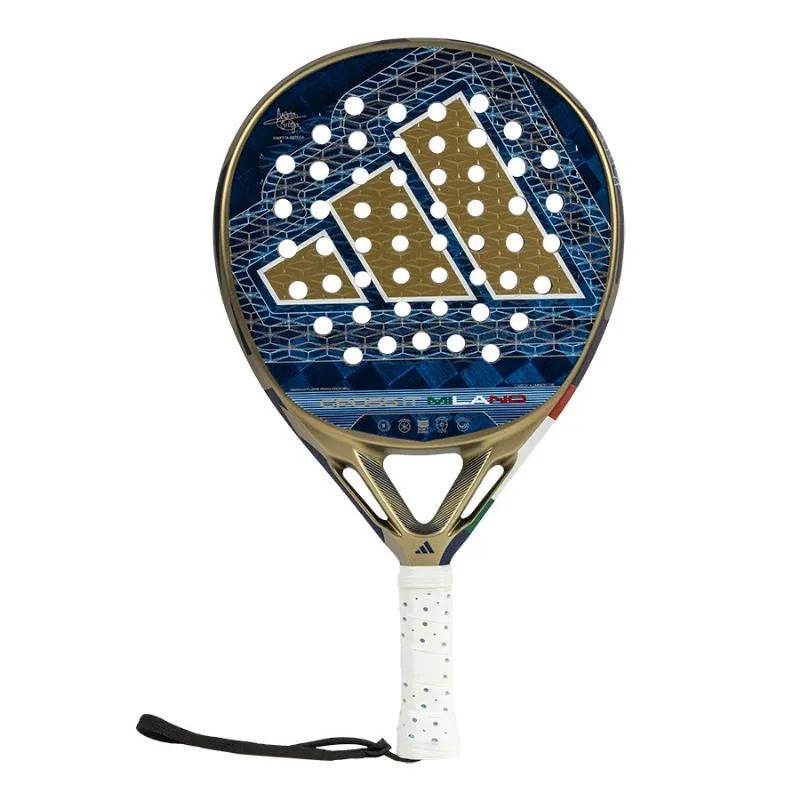
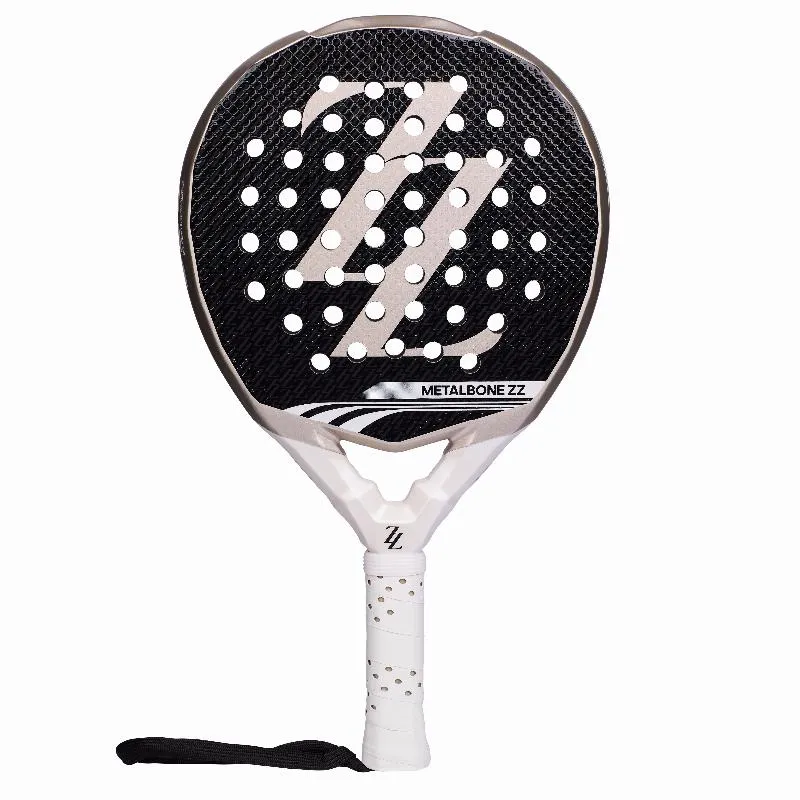
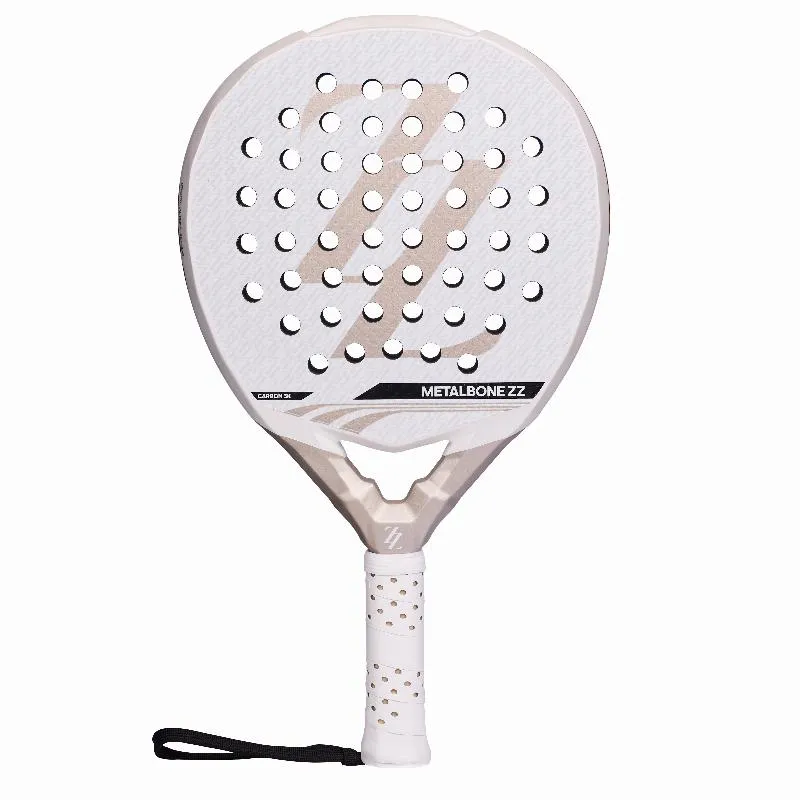
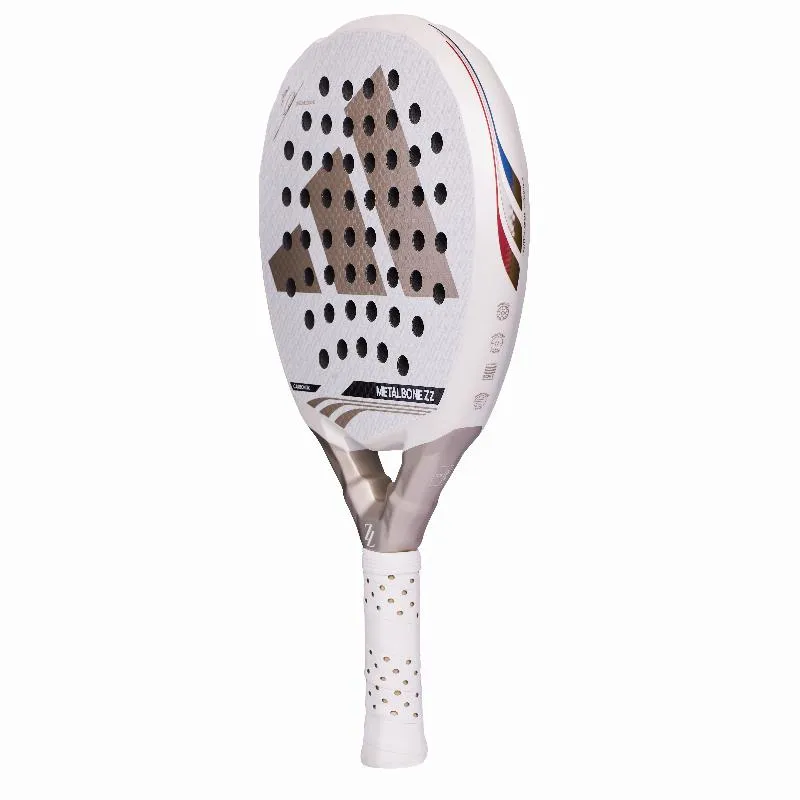
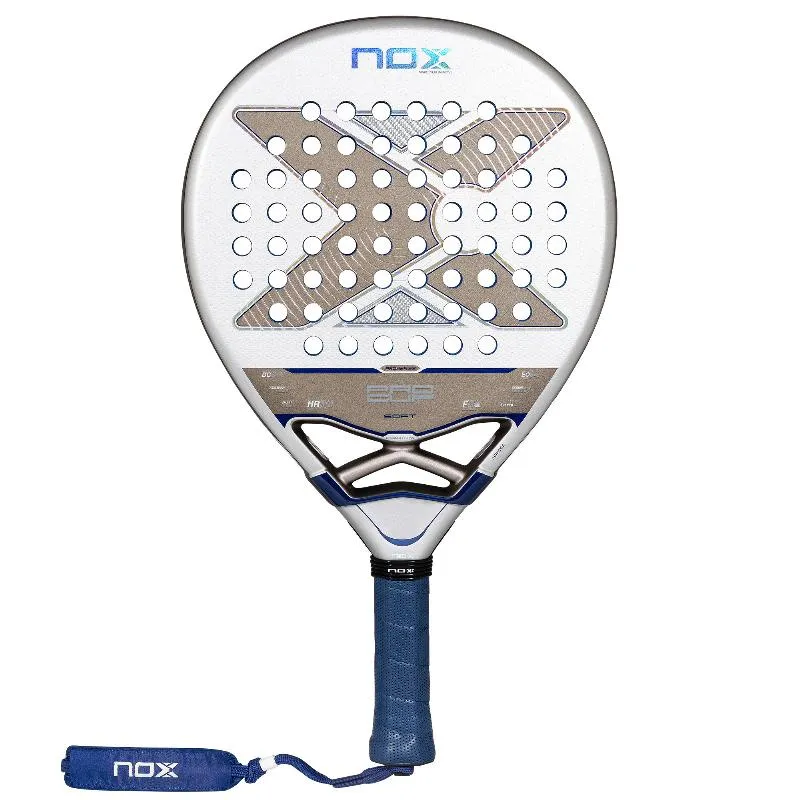
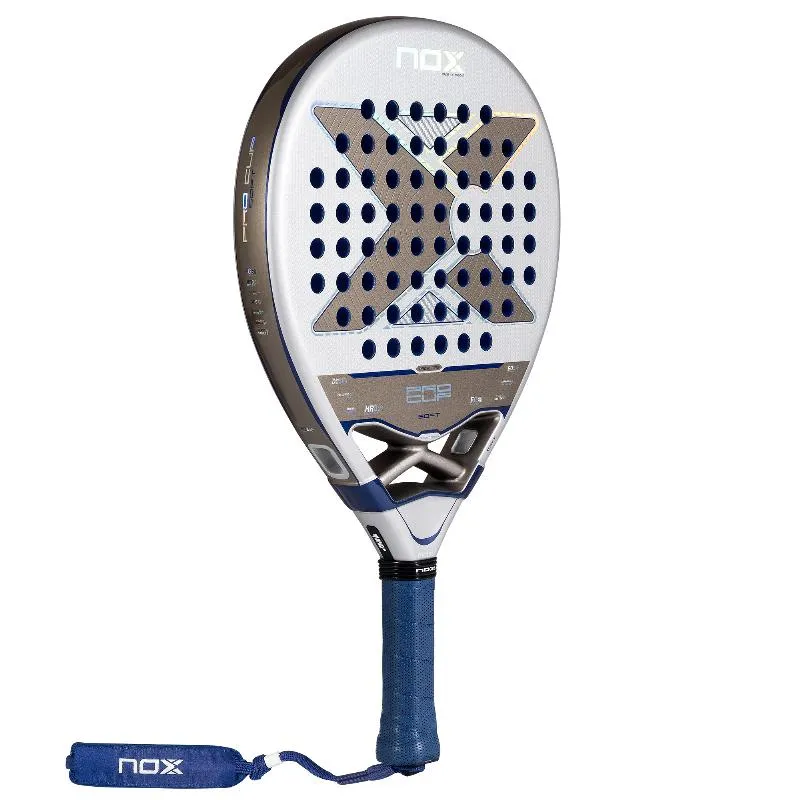
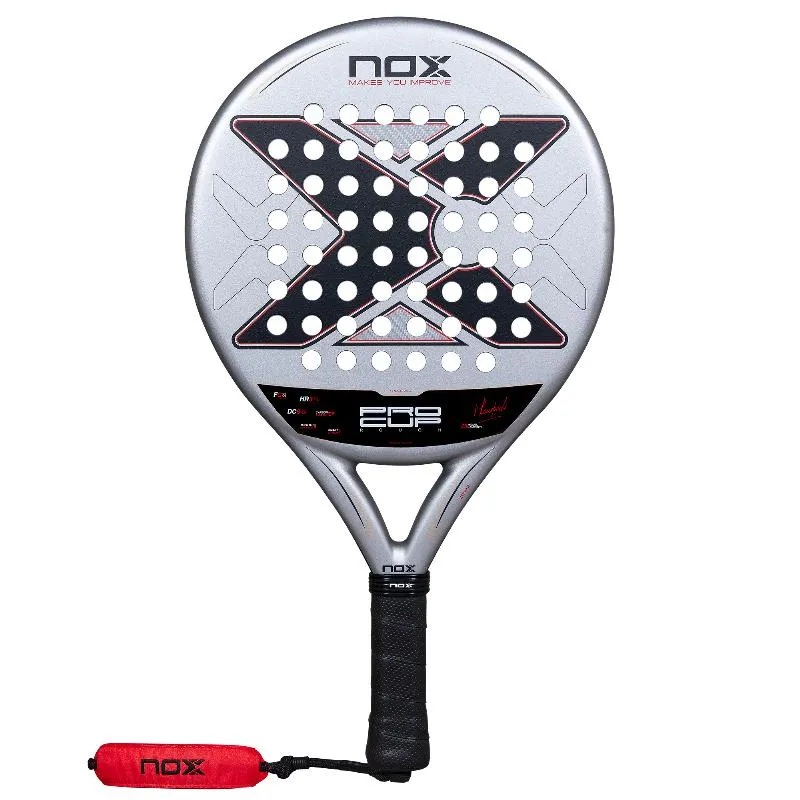
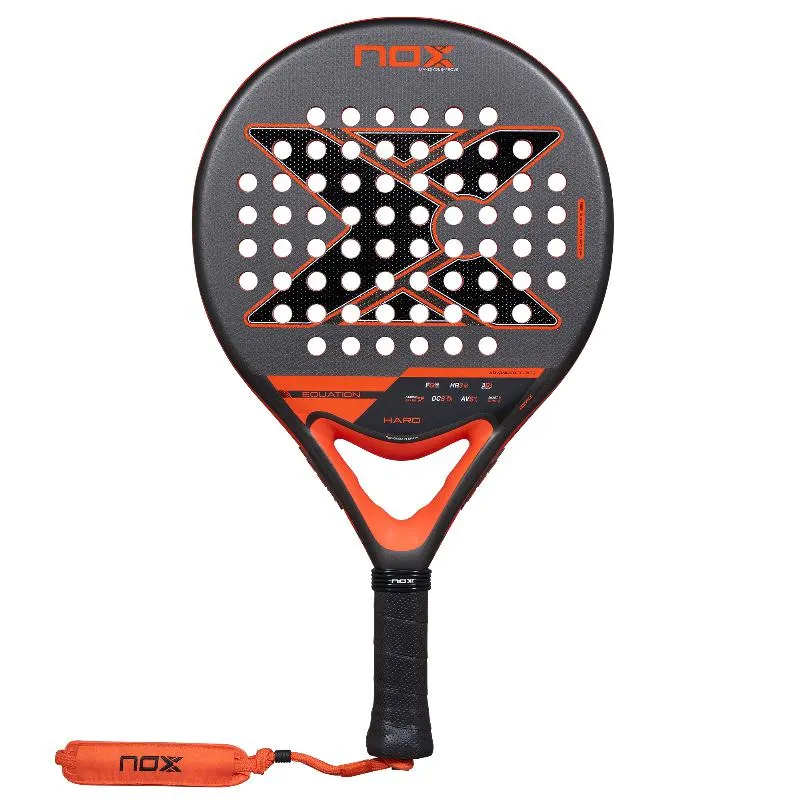
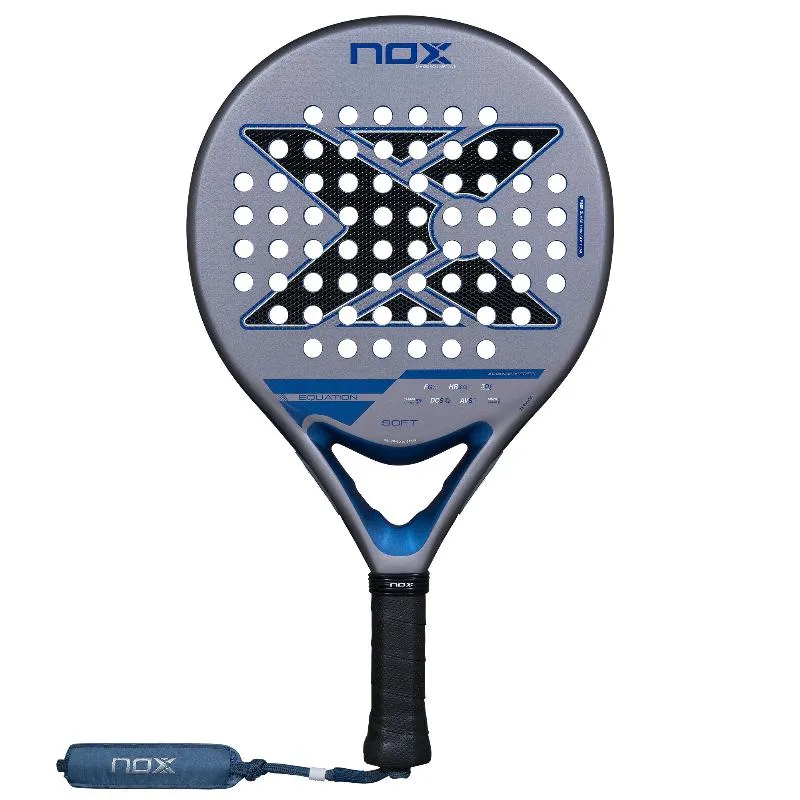
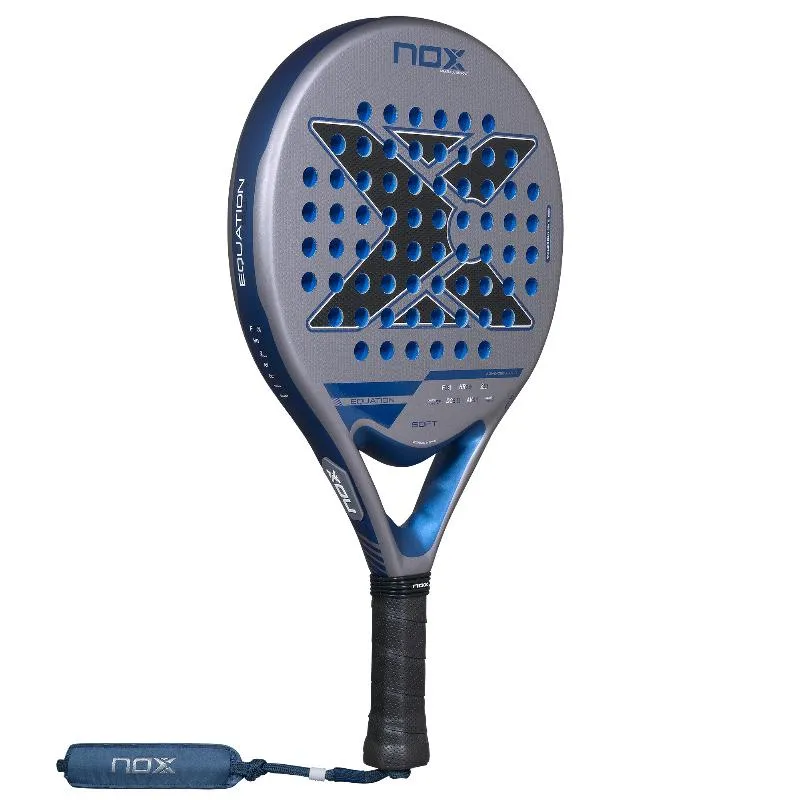
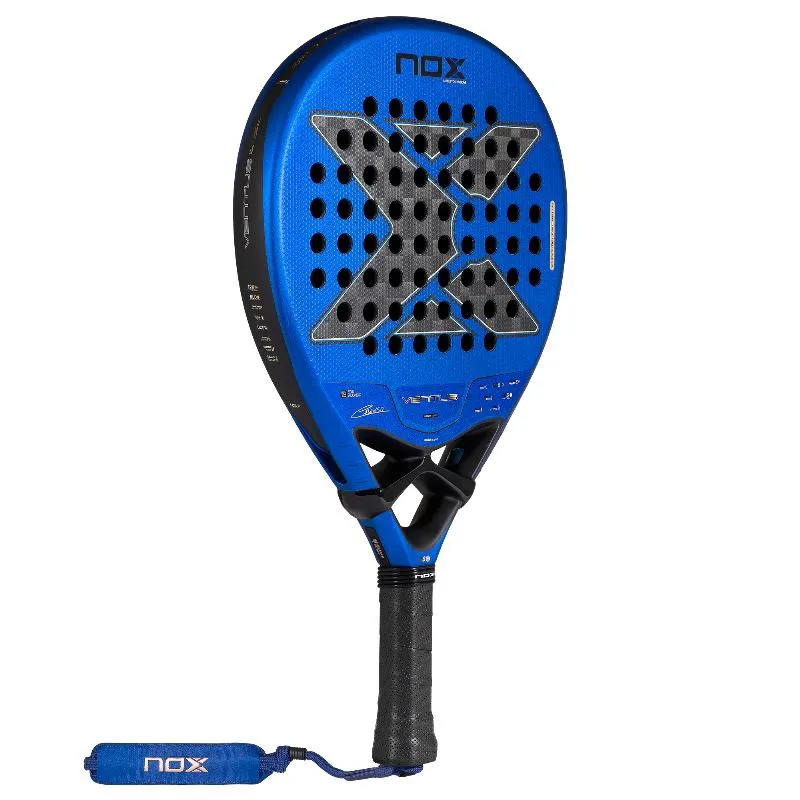
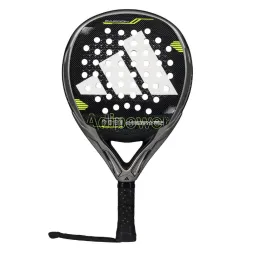
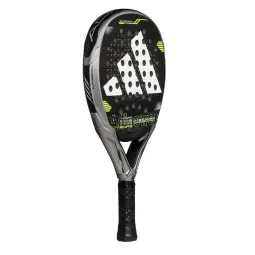
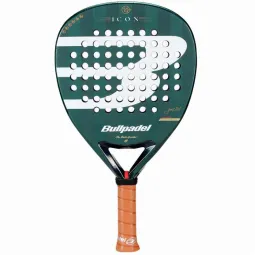
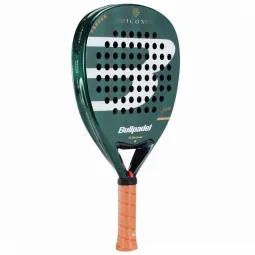
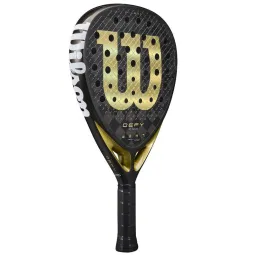
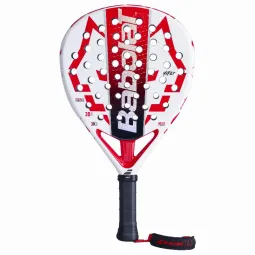
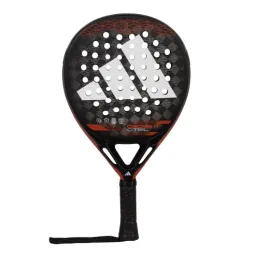
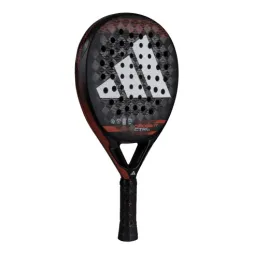
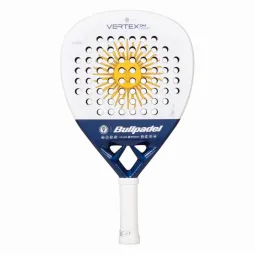
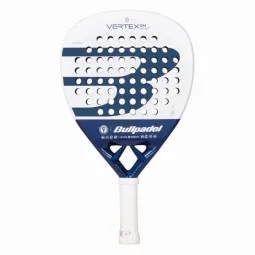
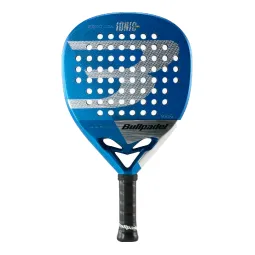
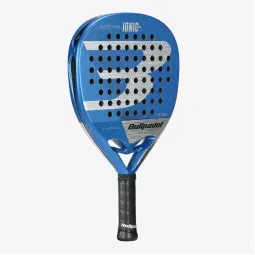
Using padel rackets suited to your level and playing style can help you execute safer and more consistent shots in these scenarios.
What factors determine if you should keep direction?
The decision to keep or change the ball's direction depends on several match factors:
- Position on the court: If you are out of position or off balance, it's better not to change direction to minimize errors.
- Physical state: When fatigue sets in, unforced errors increase; playing simple is key.
- Type of ball received: If the ball is fast, low, or near the wall, keeping direction is the safest option.
- Match moment: In crucial points, pressure invites you to simplify the game and avoid unnecessary risks.
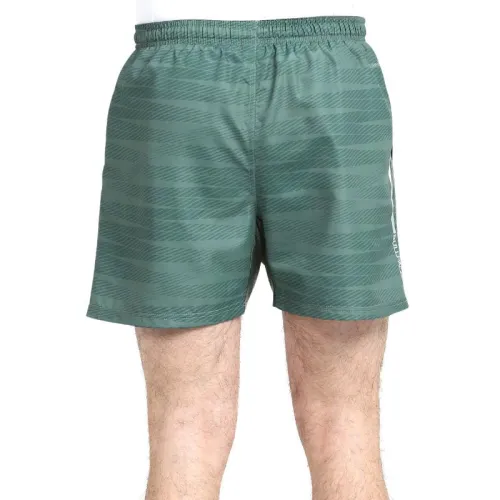
Wearing appropriate padel clothing can also influence your comfort and reaction ability, helping you maintain control in challenging situations.
Most frequent errors when trying to change direction
Errors when trying to change direction are more common than you might think. The most frequent include:
- Off-center impacts due to lack of time or poor preparation.
- Mistimed shots due to opponent's pressure.
- Trying to force impossible angles from defensive positions.
- Underestimating the opponent's reaction speed.
Using suitable padel accessories like grips and overgrips can help you control your racket better and reduce technical errors.
How does playing level influence the direction change decision?
A player's level is crucial when deciding whether to change shot direction. Beginners and intermediate players tend to make more mistakes when attempting to change trajectory, as their technique is not yet refined. Advanced players, however, can take more risks in specific situations, thanks to greater control and experience.
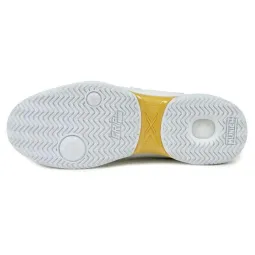
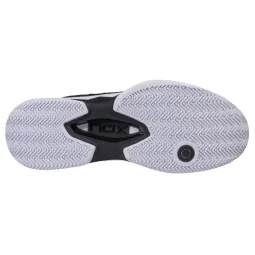
If you're just starting out, prioritize regularity and safety with deep, simple shots. As you progress, you can introduce directional changes more selectively and effectively, using padel shoes designed for better movement on court.
Specific training to minimize errors
Spending time on regularity training is key to minimizing errors when changing direction. Control, precision, and movement drills, as well as practicing with padel balls of different speeds, are fundamental to improving decision-making on court.
Additionally, renowned brands such as Adidas, Bullpadel, and Head offer a wide range of products designed to optimize performance and facilitate safe shot execution.
What are the benefits of keeping direction during play?
Avoiding directional changes in certain situations has clear strategic advantages:
- Reduces unforced errors by simplifying technical execution.
- Helps you gain confidence and rhythm during the match.
- Forces opponents to find alternatives and make mistakes out of impatience.
- Facilitates coordination and communication with your playing partner.
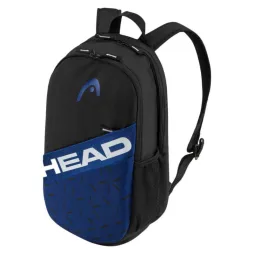
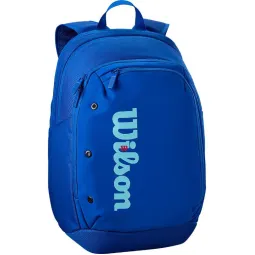
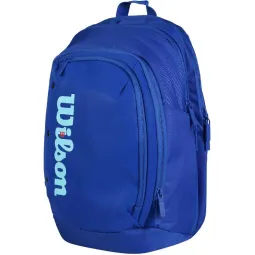
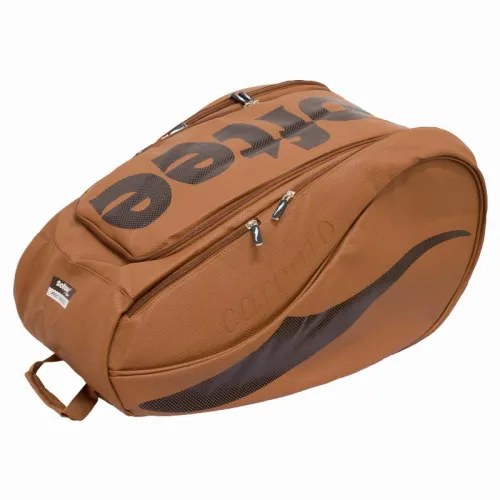
Intelligent management of ball direction is a skill perfected with experience and training. At TiendaPadelPoint you'll find everything you need to keep improving, from rackets, shoes, and padel bags to offers in our OUTLET to renew your equipment.
Final recommendations to minimize errors in padel
Remember, in padel, less is more: keeping direction when the situation requires it reflects tactical intelligence and self-control. Evaluate each point carefully, listen to your body, and prioritize safety at key moments. This way you'll avoid giving away points and maximize your chances of victory.
Padel Guide: Technical Knowledge and Practical Experience for the Game
tiendapadelpoint · Padel authority, materials and performance @ Copyright 2026