




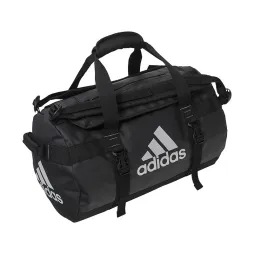
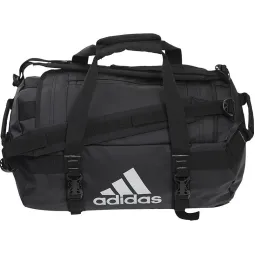
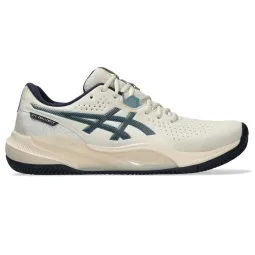
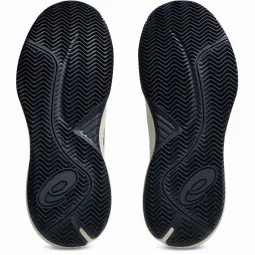
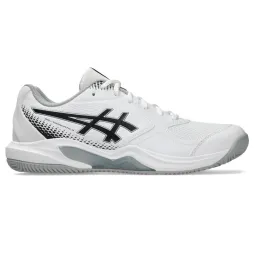
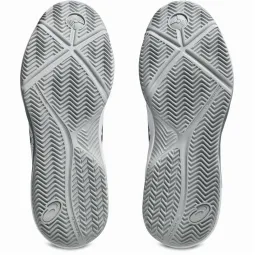


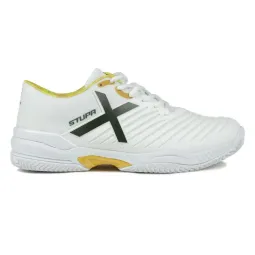
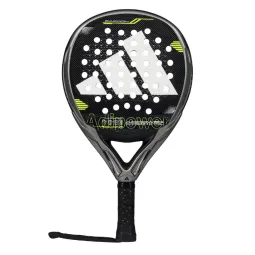
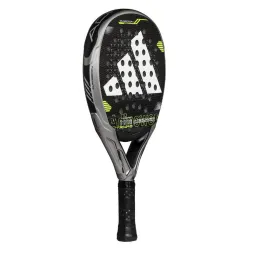
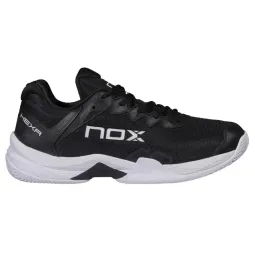
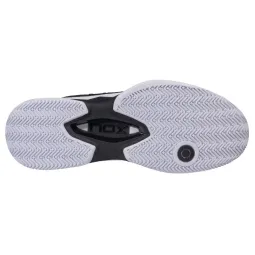




In padel you brake, turn and jump on a hard court, so footwear matters as much as the racket. Many players look for “more cushioning” and forget stability, but the two go together: a soft shoe that rolls over does not protect you.
We explain the difference, how to choose according to your weight and your style of play, and five models we have right now. To see the full range, visit the padel shoes category.
Summary
- Cushioning: softens the heel impact when braking and jumping.
- Stability: lateral reinforcements, a firm heel counter and a good fit over the instep so the foot does not slip in turns.
- More weight, more impact: if you weigh more or play a lot, prioritise both.
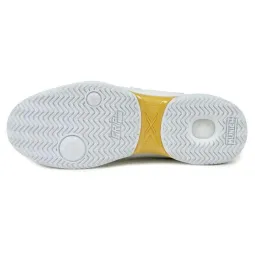
- The outsole: herringbone, omni or mixed changes the grip; replace it when the tread looks almost smooth.
- Try them on: at the end of the day, when your foot is more swollen.
The best cushioned padel shoe is the one that combines a heel that absorbs impact with lateral reinforcements that hold the foot.
The short answer↑ menu
What are the best cushioned padel shoes? The ones that balance cushioning and stability for your weight and your game. In this guide we have gathered five models in stock from Asics, Adidas, Munich and Nox. Cushioning reduces foot fatigue; stability stops the foot from rolling over on lateral landings.
Cushioning and stability: what each one is↑ menu
Cushioning is the layer of foam or gel under the heel and forefoot that absorbs part of the impact of every step and jump. Stability is what keeps the foot firm: lateral reinforcements, a heel counter that does not give way, a snug fit over the instep and an outsole with enough height and width.
In padel you need both because the game is a series of starts, stops and changes of direction over a few metres. A very soft, tall shoe can feel unstable; a very stiff one can tire you sooner. If you have persistent pain in your knees, ankles or back, see a podiatrist or physiotherapist: a shoe is no substitute for their diagnosis.
How to choose by weight and style of play↑ menu
Five models in stock↑ menu
All of them are available in the shop now. The descriptions are based on each model’s product page; we do not give technical figures that the brand does not publish.
Types of outsole: herringbone, omni and mixed↑ menu
| Outsole | What it offers | Who it suits |
|---|---|---|
| Herringbone | More grip and firm braking | Players who want control and plant their feet a lot |
| Omni | Grip with a smoother slide | Players who prefer a freer footing when moving |
| Mixed | Combines herringbone zones with other patterns | Players who want a middle ground |
General description of the most common outsole types; exact behaviour depends on each model and on the court.
When to replace your shoes↑ menu
Replace them when the outsole tread looks almost smooth, when the shoe warps to one side or when you notice the cushioning no longer responds and you finish matches with tired feet. There is no fixed number of matches: it depends on your weight, how often you play and your court.
Our shop insight↑ menu
Tienda Padelpoint insight: when someone asks us for “more cushioning”, we first ask about their weight and how many times a week they play. Often the problem is not a lack of foam, but that the shoe is already worn out or does not hold the foot well.
Our customers ask↑ menu
Questions we get at Tienda Padelpoint when choosing cushioned padel shoes.
If I am between two sizes, which one should I order?
The larger one: your foot swells as you play and a tight shoe rubs. Each product page has the brand’s size guide.
Does a herringbone outsole work on every court?
It is the most common one in padel and works on glass and wall courts. On very worn carpet some players prefer omni or mixed because they slide a little more.
FAQs↑ menu
Which padel shoes have the most cushioning?
Those with a heel that absorbs impact well and, at the same time, lateral reinforcements that hold the foot. Compare the product pages and try several.
Is it better to have more cushioning or more stability?
Both at once. A very soft but unstable shoe does not protect your ankle in turns.
When should you replace padel shoes?
When the outsole tread is almost smooth, the shoe warps or the cushioning no longer responds.
Can you use running shoes for padel?
It is not ideal: they are designed to move in a straight line and do not hold the foot in the same way in the lateral movements of padel.
Glossary↑ menu
- Cushioning
- Material under the foot that absorbs part of the impact of each step.
- Stability
- The shoe’s ability to keep the foot firm in turns and lateral landings.
- Heel counter
- The rear part that holds the heel.
- Instep
- The top of the foot, where the shoe is fitted.
- Herringbone outsole
- A zigzag tread that gives grip and firm braking.
- Padel shoes
- Also searched as padel footwear or padel sneakers.
Our verdict↑ menu
Do not choose on cushioning alone: look for the balance with stability, try the size at the end of the day and check the outsole from time to time.
Descriptions based on the shop’s product pages, consulted on 1 November 2026.
We ship padel shoes to the United Kingdom from tiendapadelpoint.com; delivery times and costs for the UK are on our international shipping page. If you play in LTA-affiliated padel leagues, a stable, well-cushioned shoe is the first thing to sort out before the season.
You may also like↑ menu
 Vibrating racket and elbow pain? Which rubber to choose
 Which Endless garment to choose for training in padel when it is cold?