


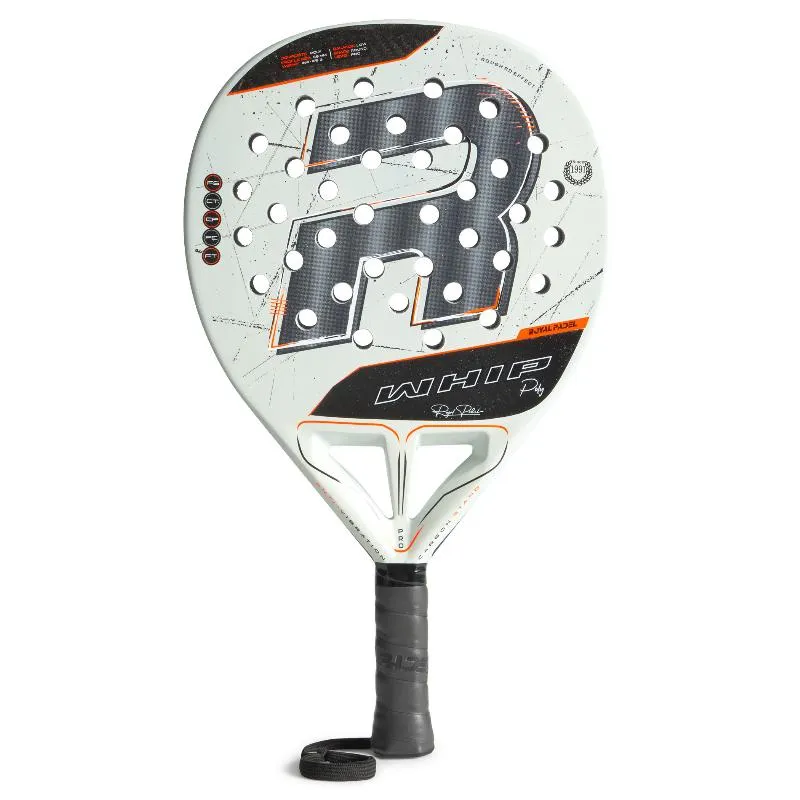
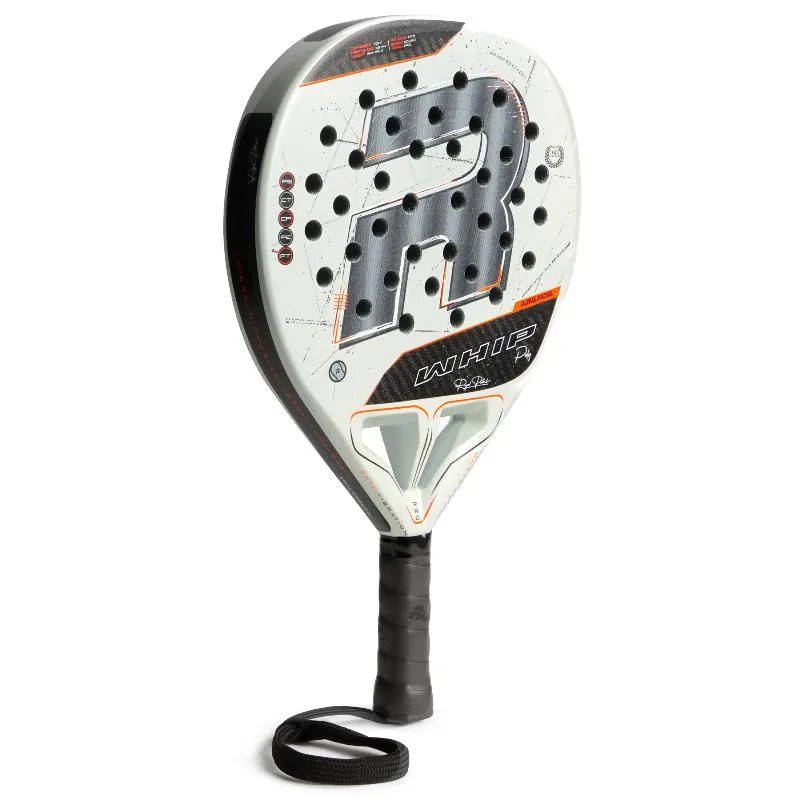
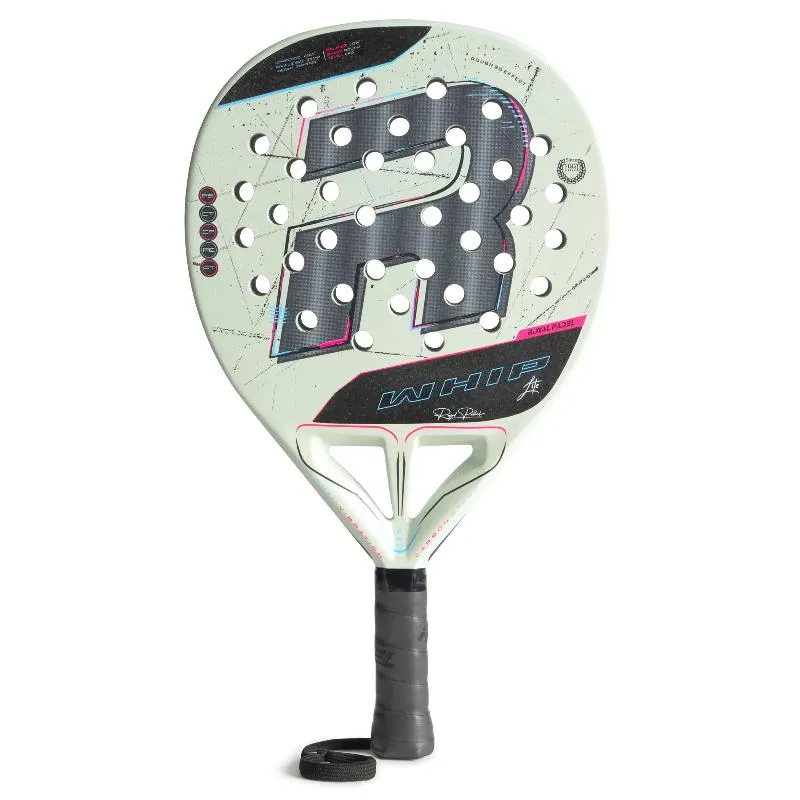
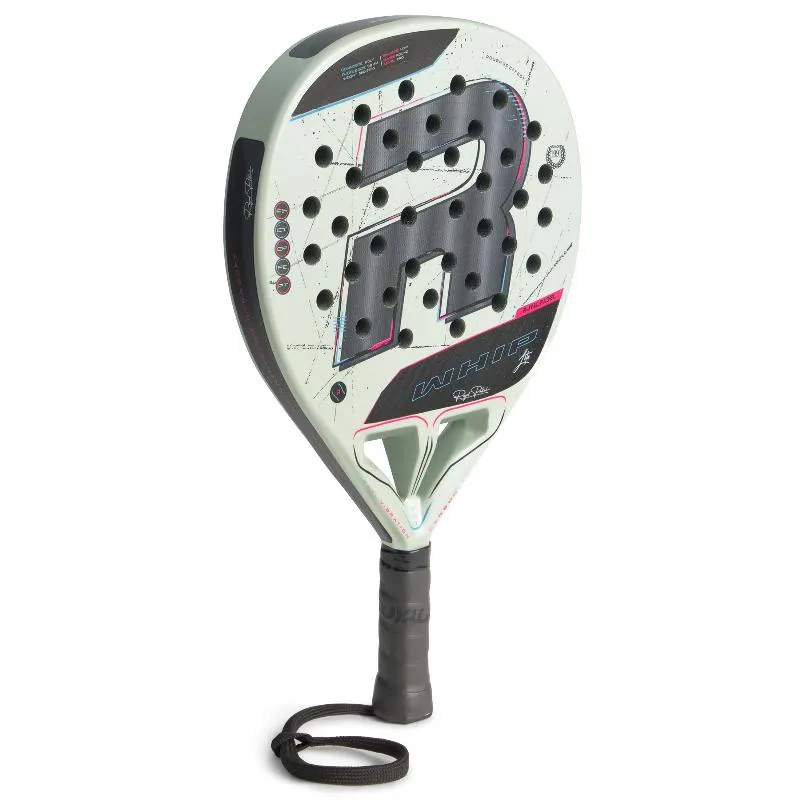







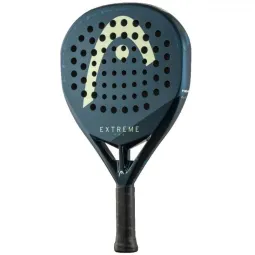
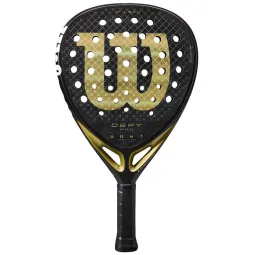
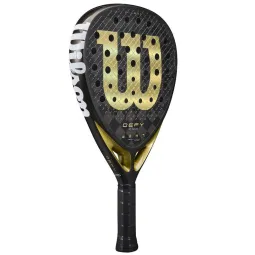
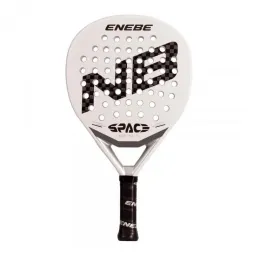
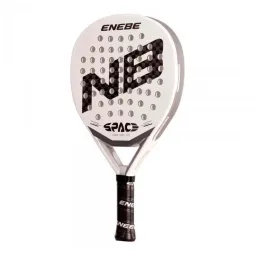
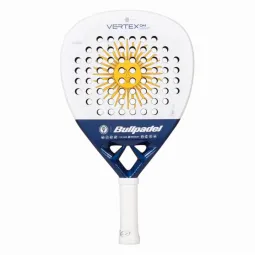
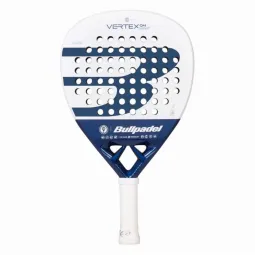




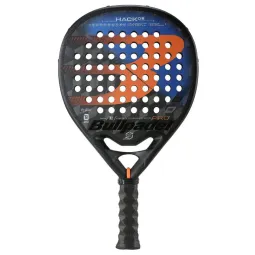
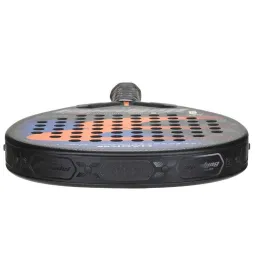
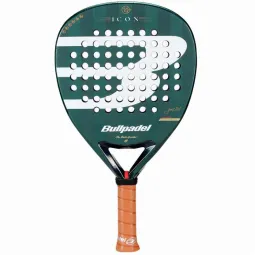
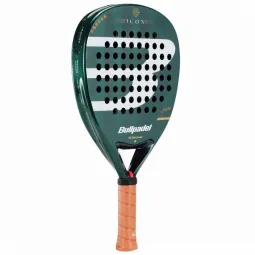

Padel rackets come in three shapes: round, teardrop and diamond. They change two things you feel on every shot: where the sweet spot sits (the area of the face where the ball comes off clean) and how the weight is distributed, in other words the balance. All the gear is in our padel rackets category.
A shape is neither good nor bad: it is more or less suited to your level and the way you play. Here you get the difference between the three, a table to compare them at a glance and a real racket in stock for each shape.
Which racket shape suits me?
- Round: large, centred sweet spot and low balance. More control and more forgiveness on mishits. To start and to play safe.
- Teardrop: higher sweet spot and medium balance. Shares control and power. The most versatile for an intermediate level.
- Diamond: small, high sweet spot and high balance. Maximum power on smashes and volleys, but it demands technique and good timing.
- Hybrid shapes exist that mix two of these: they are not a fourth category, and it pays to check their real balance on the product page.
- Rule of thumb: choose by level and by your game, not by shape alone. The weight and balance of each model matter as much as the silhouette.


Round, teardrop or diamond: which shape to pick? ↑ index
To start or look for control, a round racket. To balance control and power, a teardrop. To attack with technique, a diamond. The shape decides where the sweet spot is and how the weight is distributed, and that is why it changes the feel of every shot.
This is a guide to tendencies, not a law: two rackets of the same shape can play differently depending on their weight, balance and core. So, besides the silhouette, look at the data on each product page.
The three shapes, one by one ↑ index
Round = control, teardrop = balance, diamond = power. The reason is always the same: where the sweet spot sits and where the weight sits.
Round: the sweet spot is large and in the centre of the face and the balance is low, with the weight towards the handle. It gives more control, more precision and forgives shots that are not centred. It is the shape for beginners and for anyone who puts not making mistakes first.
Teardrop: the sweet spot moves slightly up the face and the balance is medium. It shares out control and power, which is why it is the most versatile. It is the usual choice of the intermediate player who wants to progress without giving up either.
Diamond: the sweet spot is smaller and higher and the balance is high, with a heavy head. It is the maximum power shape for smashes and volleys, but it demands technique and timing, and punishes off-centre shots more. It is for advanced players who attack at the net.
There are also hybrid rackets, which mix traits of two shapes, for example a diamond silhouette with a slightly more measured balance. They are not an official fourth category: you read them the same way, by the shape the product page states and its balance.
Comparison at a glance ↑ index
Three shapes, three profiles. This table sums up what changes between them.
| Shape | Sweet spot | Balance | Feel | Who it is for |
|---|---|---|---|---|
| Round | Large and centred | Low | Control and precision | Beginners and safe play |
| Teardrop | Medium, slightly higher | Medium | Balance of control and power | Intermediate level |
| Diamond | Small and high | High | Maximum power | Advanced and net attackers |
Which racket shape suits me? ↑ index
Choose by level first and by playing style second. If you are torn between two today, the teardrop is the safe bet.
I am starting out or coming back after a break: round. It forgives off-centre shots and gives you the confidence you need to find your rhythm.
I play regularly and want to improve: teardrop. It gives you ball exit without taking away control, and it will stay with you for a good while.
I have technique, I smash and attack at the net: diamond. When the shot comes off the centre, it gives back the most.
I have elbow or shoulder trouble: look for a round or a soft-feeling teardrop. The diamond, harder and head-heavy, is not usually the most comfortable.
We have had a physical shop in La Nucía (Alicante) since 2003, and what we recommend is not choosing a diamond just because the pros use it: it is the most demanding shape and a teardrop is usually more forgiving. The right shape is the one that lets you play your own game, not the best player's. If in doubt, drop by the shop or write to us: trying a racket in your hand saves a lot of mistakes.
One real racket for each shape ↑ index
Three rackets in stock in the shop today, one per shape, so you can see how the theory becomes a specific model.
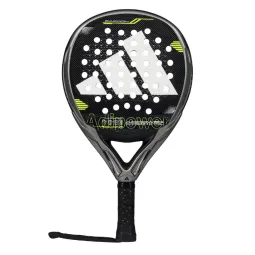
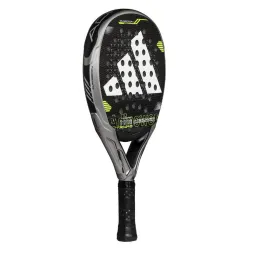
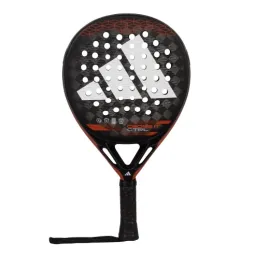
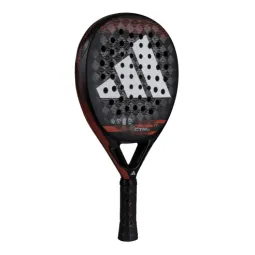
Adidas Adipower Carbon Control 2025
REF 21162 · EAN 8435739402832- Shape: Round
- Brand: Adidas
- Model: Adipower Carbon Control 2025
- Face: 3K carbon
- Balance: Low

Round shape, low balance and wide sweet spot, with a 3K carbon face and soft EVA core. It is the example of what a round gives: control, precision and a comfortable ball exit, made for anyone who puts safety in the shot first.
Softee Summit Perla Negro 2027
REF 228816 · EAN 8445090184872- Shape: Teardrop
- Brand: Softee
- Model: Summit Perla Negro 2027
- Face: 3K carbon
- Balance: Medium
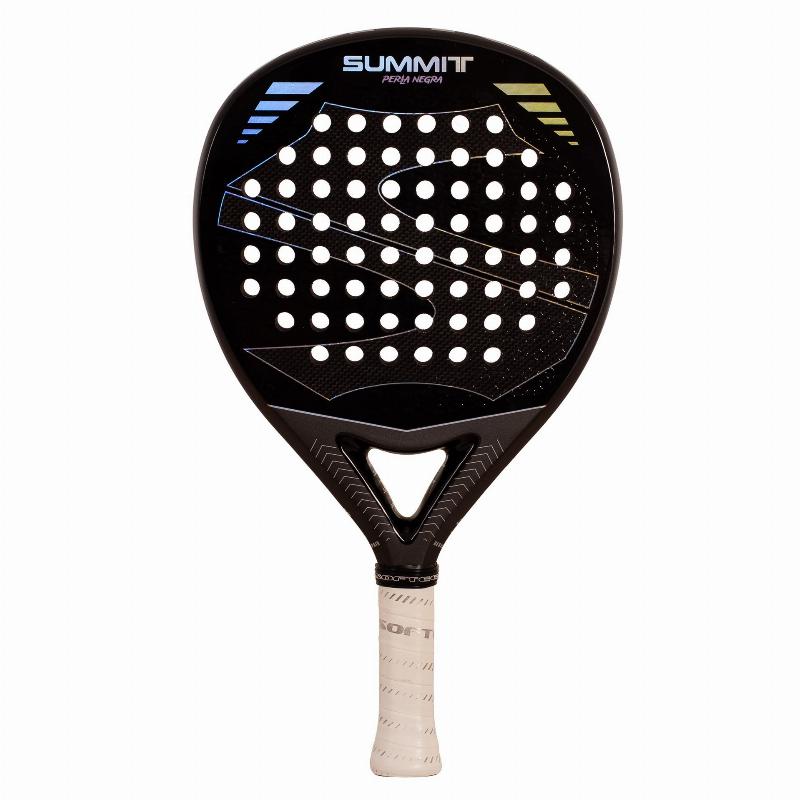
Teardrop format with medium balance, 3K carbon and a hard EVA core. According to its own product page it seeks the compromise between precision and power and works both in defence and in attack: the teardrop as it is meant to be, balanced and easy to adapt to.
Babolat Juan Lebrón Viper 3.1 2027
REF 222355 · EAN 3324922389027- Shape: Diamond
- Brand: Babolat
- Model: Juan Lebrón Viper 3.1 2027
- Face: 3K carbon
- Level: Advanced

Diamond shape, 3K carbon faces and a hard EVA core, for advanced players who want maximum power on smashes and volleys. It is the shape that gives the most when the technique is there, and the one that punishes a hit outside the sweet spot the most.
Check the product page of each one for weight, balance and grip sizes before deciding. If you prefer to see more options, you have all the padel rackets in the shop, sorted by brand.
When to change shape ↑ index
You change shape when your game changes, not before: if your current racket already falls short on power and your technique is solid, it is time to step up.
The natural path is round → teardrop → diamond, without hurry. Before jumping to a diamond, check that you smash and volley with ease and that you no longer miss by hitting off-centre. And you do not have to end up on a diamond: plenty of high-level players are happy with a teardrop.
Frequently asked questions ↑ index
Which racket shape is best for beginners?
The round. It has the largest, most centred sweet spot and a low balance, so it forgives off-centre shots and gives control from day one.
Is the teardrop racket good for everything?
It is the most versatile, because it shares control and power, and it suits an intermediate level well. It is not good for everything, but it is the safe bet if you are torn between round and diamond.
Is a diamond racket harder to play with?
Yes. The sweet spot is smaller and higher, and the high balance makes the racket heavier in the head. It gives a lot of power to anyone with technique, but it punishes off-centre shots more.
Does the racket shape change the balance?
In general yes: the round usually carries its weight towards the handle (low balance), the teardrop sits in the middle and the diamond carries it towards the head (high balance). But each model has its own figure, and hybrid rackets exist, so check the product page.
Can I move from a round racket to a diamond?
You can, but better in stages. The usual route is via the teardrop, making the jump to the diamond when you smash and volley with ease and no longer miss by hitting off-centre.
Is there a shape that is better for the elbow?
Rounds and soft-feeling teardrops are usually more comfortable. With pain, the diamond, head-heavy and harder, is not usually the best option. If you have an injury, always consult a specialist.
Quick glossary ↑ index
Tienda Padelpoint's verdict ↑ index
If you keep just one idea, make it this one: choose the shape by level and by game. Round for control, teardrop for balance, diamond for power.
And if you keep two, the second is that the silhouette does not say it all: two rackets of the same shape can play differently depending on their weight, balance and core, so always check the product page.
We have been at this since 2003 and the conclusion has not changed: the best racket is the one that lets you play your game with confidence, not the one the best player in the world uses.