










Guia de Padel - PadelPoint
FAQs | Qué es el smash en pádel
Estas respuestas han sido elaboradas por el equipo de especialistas del pádel de Tiendapadelpoint, a partir de criterios técnicos de material, experiencia en venta especializada y consulta recurrente de jugadores sobre elección de pala de pádel.
¿Qué es el smash en pádel?
El smash en pádel es un golpe ofensivo que se realiza por encima de la cabeza, con el objetivo de enviar la pelota al campo contrario con una trayectoria descendente y alta velocidad. Este golpe es clave para finalizar puntos y generar presión sobre el oponente.
La técnica del smash implica una correcta preparación, con la pala hacia atrás y arriba, y un golpeo en el punto más alto posible. La potencia del golpe viene determinada por la rotación del cuerpo y la extensión del brazo, que debe seguir la trayectoria de la pelota tras el impacto. La precisión del golpe depende de la correcta orientación de la cara de la pala en el momento del impacto y la velocidad de la muñeca.
El smash es un golpe que requiere práctica y control, ya que un mal golpe puede resultar en una pelota fácil para el oponente. Por ello, es importante trabajar en la técnica y la táctica del smash para mejorar el rendimiento en el juego de pádel.
¿Cómo se realiza un smash en pádel?
El smash en pádel se realiza con un golpe fuerte y ascendente, buscando enviar la bola hacia el campo contrario con la mayor velocidad posible. Es un golpe que requiere de técnica y precisión, ya que el objetivo es que la bola rebote en el campo contrario y salga de la pista, dificultando su devolución.
Para realizar un smash, el jugador debe posicionarse debajo de la bola, con el cuerpo ligeramente inclinado hacia atrás. La pala debe estar por encima de la cabeza, con el brazo extendido y el codo ligeramente flexionado. El golpe se realiza con un movimiento rápido y ascendente, impactando la bola en el centro de la pala. Es importante también el uso del cuerpo, girando la cadera y el torso en el momento del golpe para generar más potencia.
El smash es un golpe ofensivo que puede dar buenos resultados si se realiza correctamente, pero también puede ser arriesgado si no se tiene el control y la técnica necesarios. Por ello, es recomendable practicar este golpe y aprender a utilizarlo en el momento adecuado durante el juego.
¿Qué tipos de smash existen en el pádel?
En el pádel, existen tres tipos principales de smash: el smash plano, el smash con efecto y el smash de bandeja. El smash plano es un golpe directo y potente que busca terminar el punto rápidamente. El smash con efecto, también conocido como vibora, incorpora un giro a la bola para complicar la devolución del rival. Por último, el smash de bandeja es un golpe más controlado que busca colocar la bola en una zona específica de la pista.
La elección del tipo de smash a utilizar depende de factores como la posición del jugador, la altura de la bola, las condiciones de la pista y la táctica del juego. Por ejemplo, el smash plano es más efectivo cuando la bola viene alta y el jugador tiene espacio para golpear con fuerza. Por otro lado, el smash con efecto es útil cuando se busca sorprender al rival con un rebote impredecible. Finalmente, el smash de bandeja es una opción segura cuando se busca mantener el control del punto sin asumir grandes riesgos.
Para mejorar la ejecución de estos golpes, es recomendable practicar con regularidad y recibir asesoramiento de un entrenador de pádel. Además, la elección de la pala de pádel adecuada puede influir en el rendimiento de los smashes, ya que cada pala tiene características que pueden favorecer un tipo de golpe sobre otro.
¿Cómo mejorar la técnica del smash en pádel?
Para mejorar la técnica del smash en pádel, es fundamental trabajar en la anticipación y en la correcta ejecución del golpe. La anticipación te permitirá posicionarte adecuadamente respecto a la bola y preparar el golpe con tiempo.
En cuanto a la ejecución, el golpe debe ser fluido y explosivo, con un movimiento que parte desde las piernas, pasa por el tronco y se transmite al brazo y a la pala. Es importante también el correcto agarre de la pala, que debe ser firme pero sin tensión excesiva. La precisión en el contacto con la bola es otro aspecto clave, buscando siempre golpearla en el centro de la pala.
Finalmente, la práctica constante y la corrección de los errores a través del análisis de tus propios partidos o con la ayuda de un entrenador profesional te permitirán perfeccionar tu técnica de smash en el pádel.
¿Qué errores se deben evitar al realizar un smash en pádel?
Uno de los errores más comunes al realizar un smash en pádel es golpear la bola demasiado tarde, lo que puede llevar a un golpe débil y sin dirección. Este error suele ser resultado de una mala anticipación o de una técnica incorrecta.
Otro error frecuente es intentar golpear la bola con demasiada fuerza, lo que puede resultar en una falta de control y precisión. Es importante recordar que el objetivo del smash no es solo golpear la bola con fuerza, sino también colocarla de manera efectiva en la cancha del oponente.
Finalmente, un error común es no ajustar la técnica del smash en función de la posición de la bola. Por ejemplo, si la bola viene alta y cerca de la red, el jugador puede necesitar realizar un smash con más ángulo y menos fuerza. Por el contrario, si la bola viene más baja y lejos de la red, el jugador puede necesitar realizar un smash con más fuerza y menos ángulo.
¿Cómo influye la pala en la ejecución del smash en pádel?
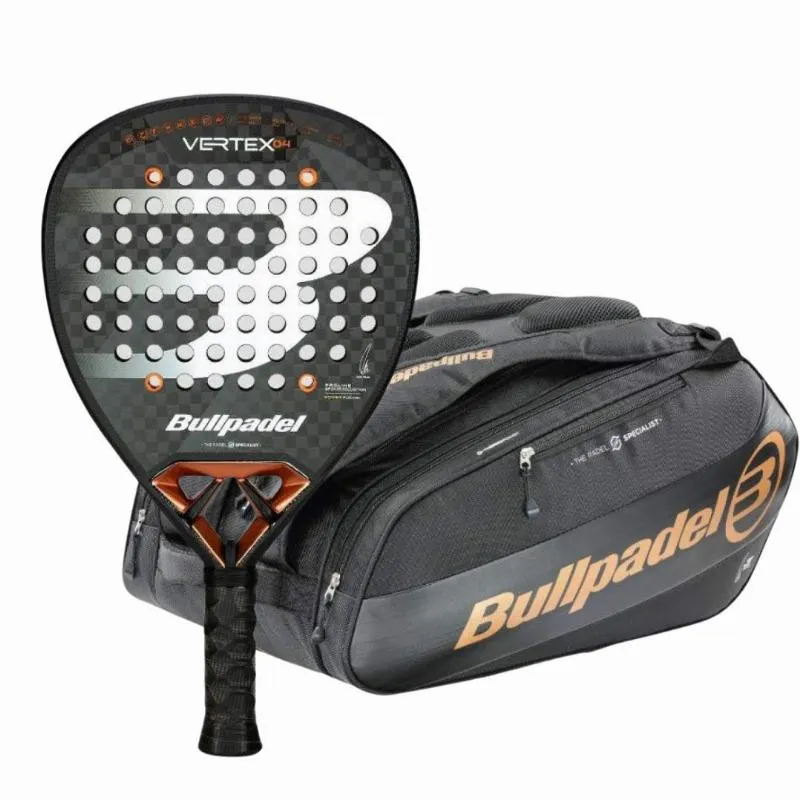
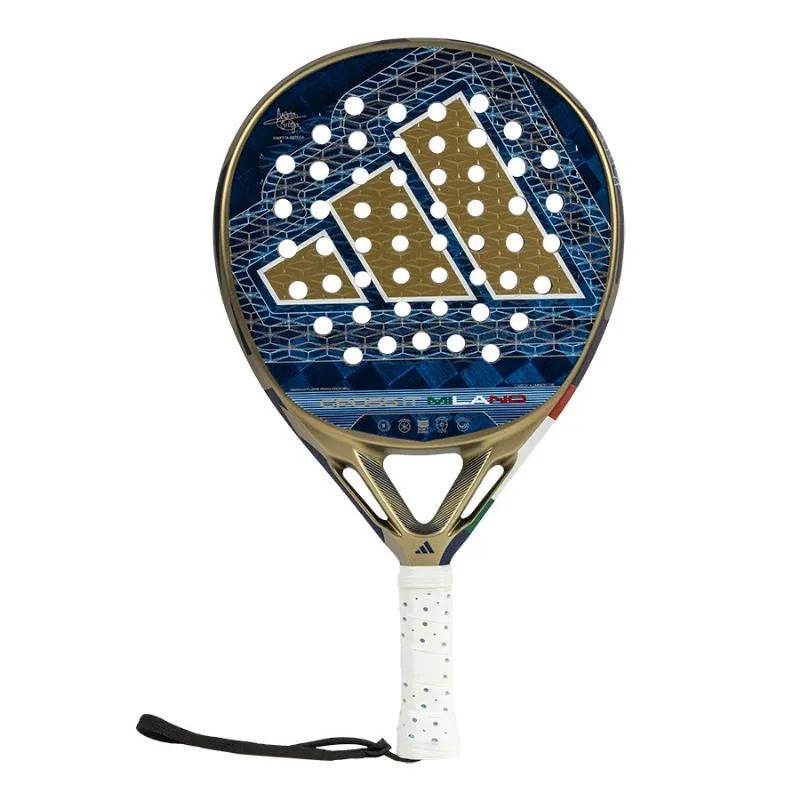
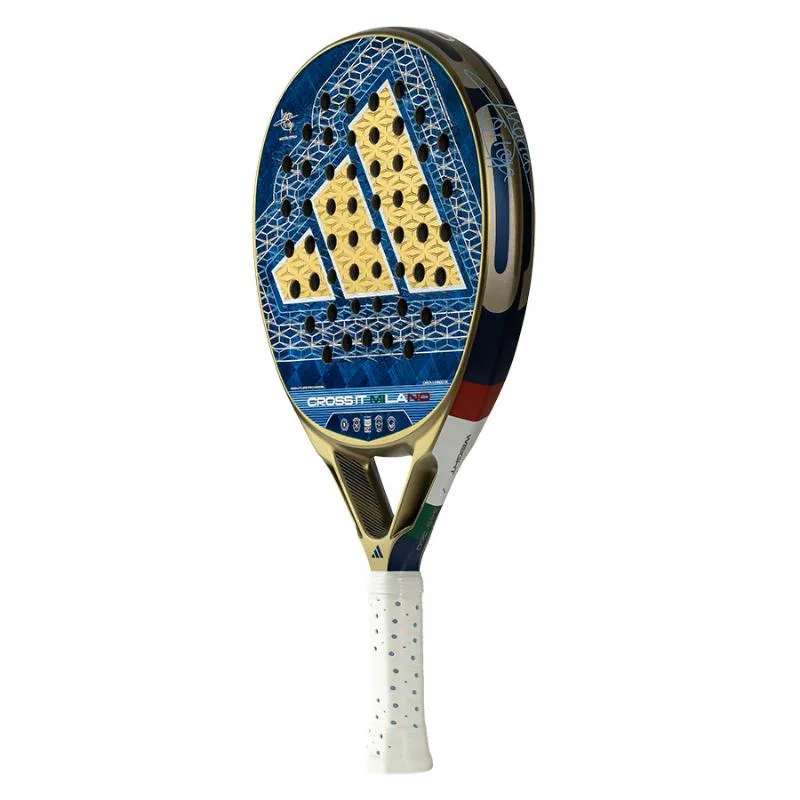
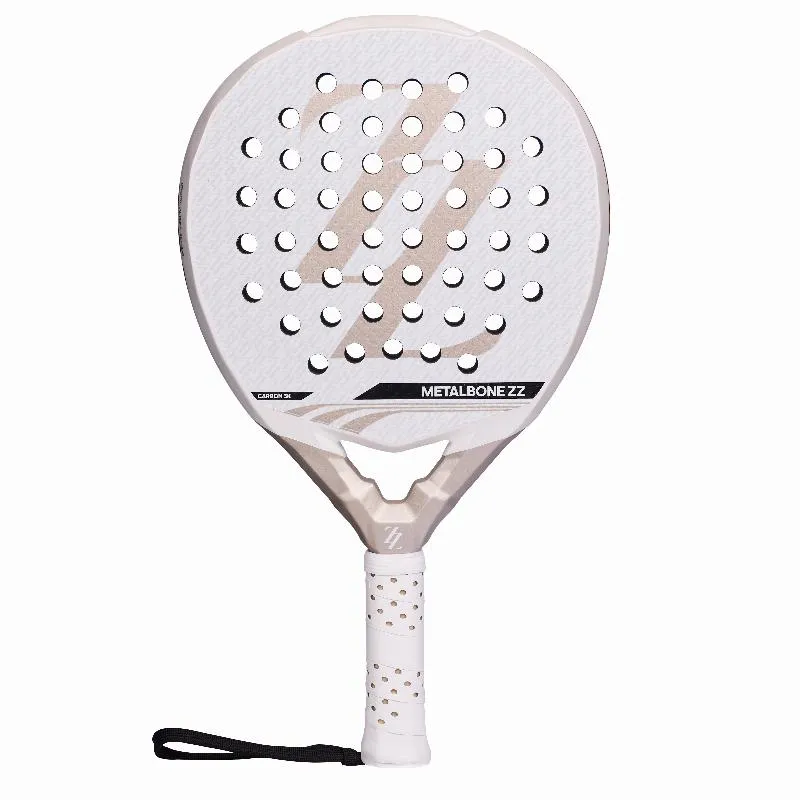
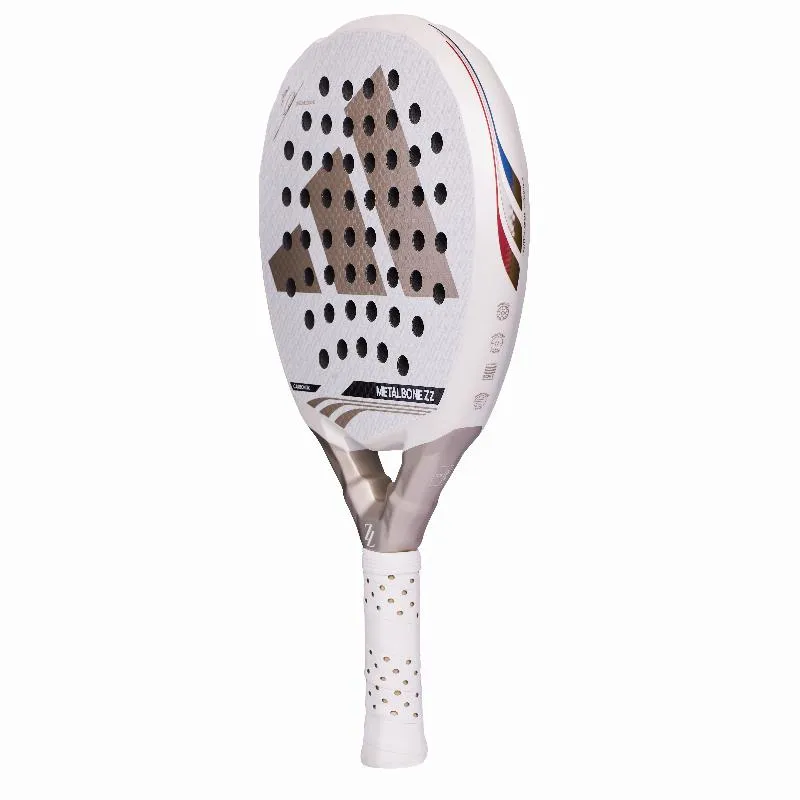
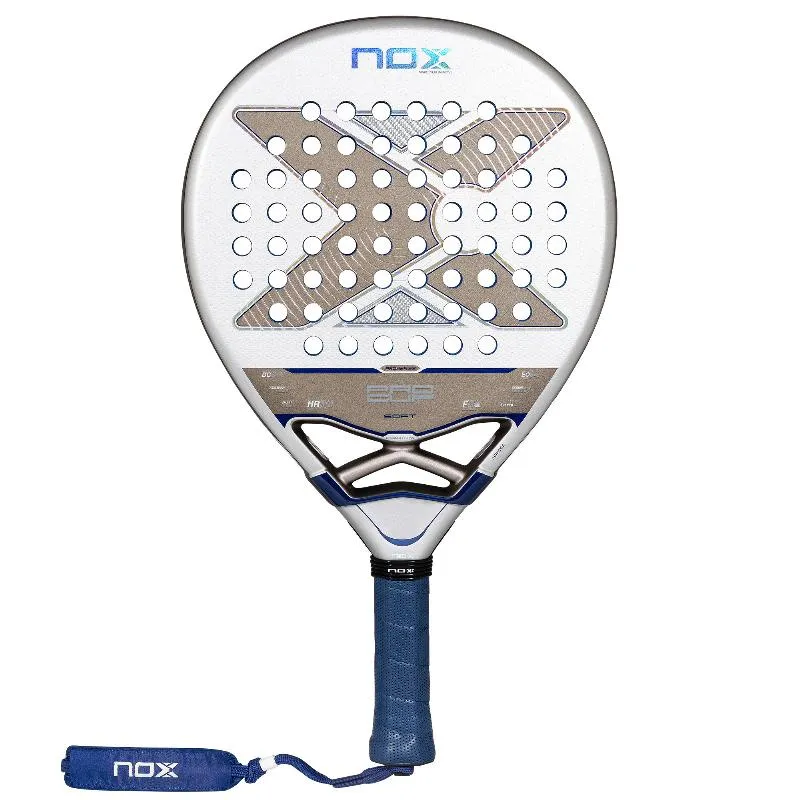
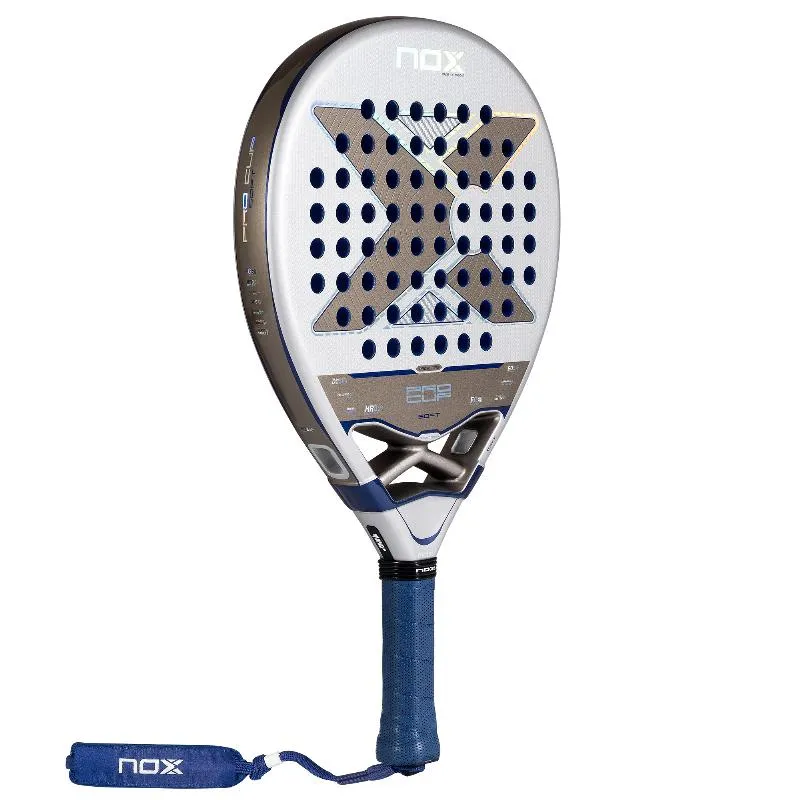
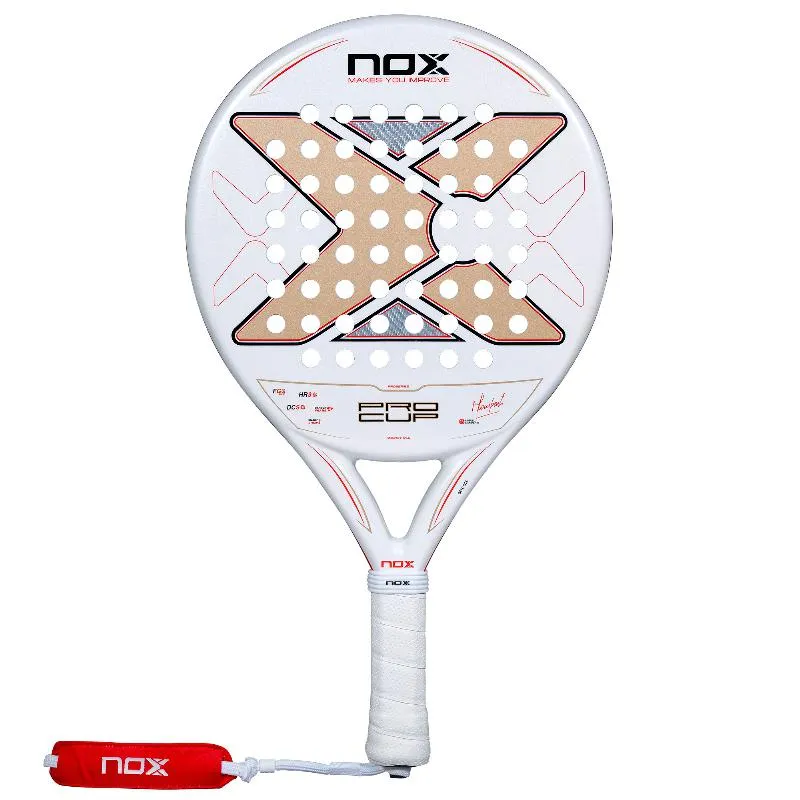
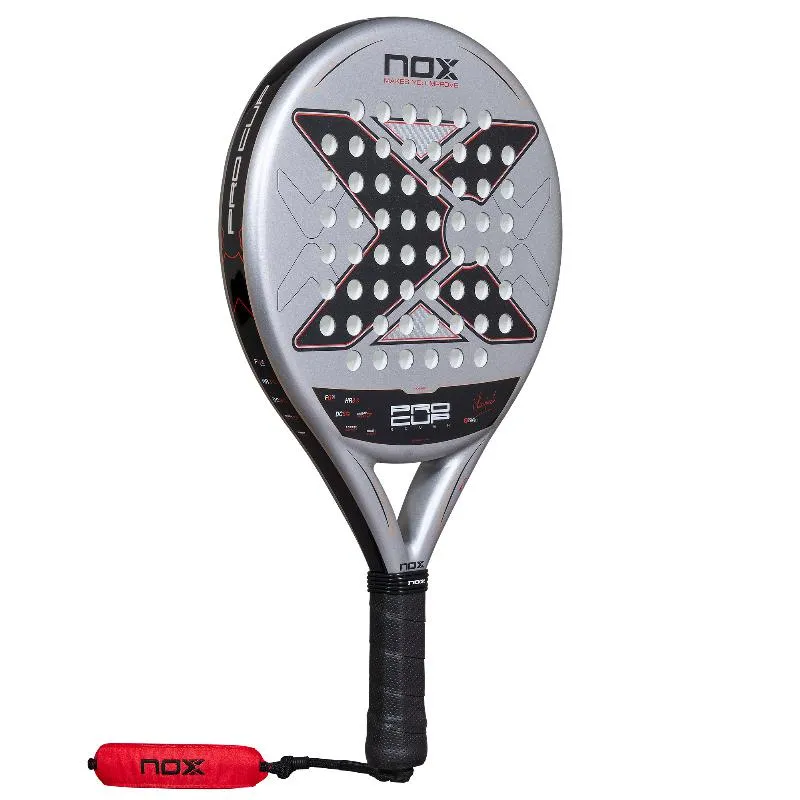
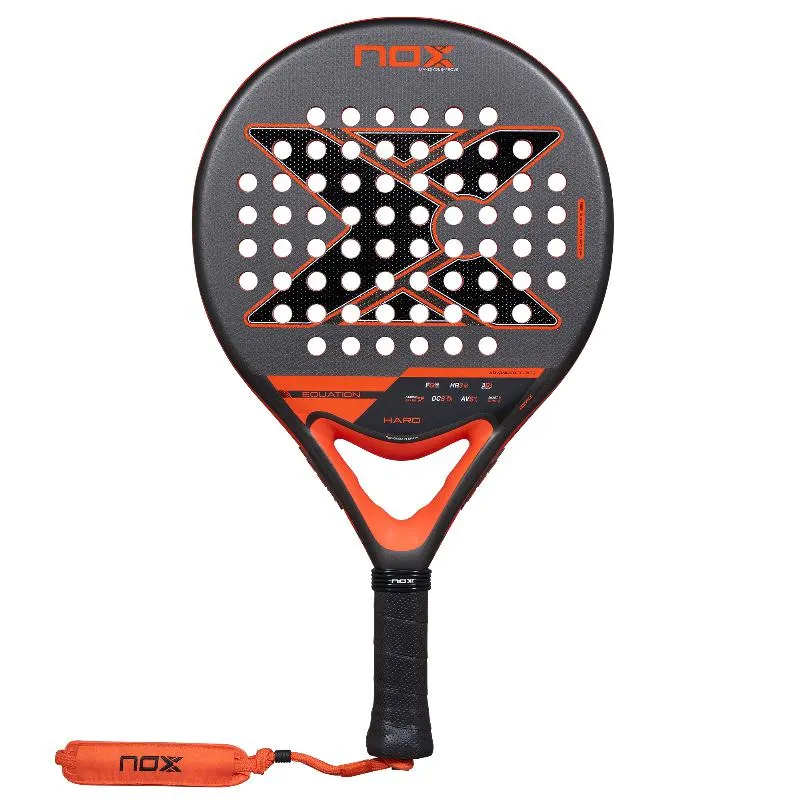
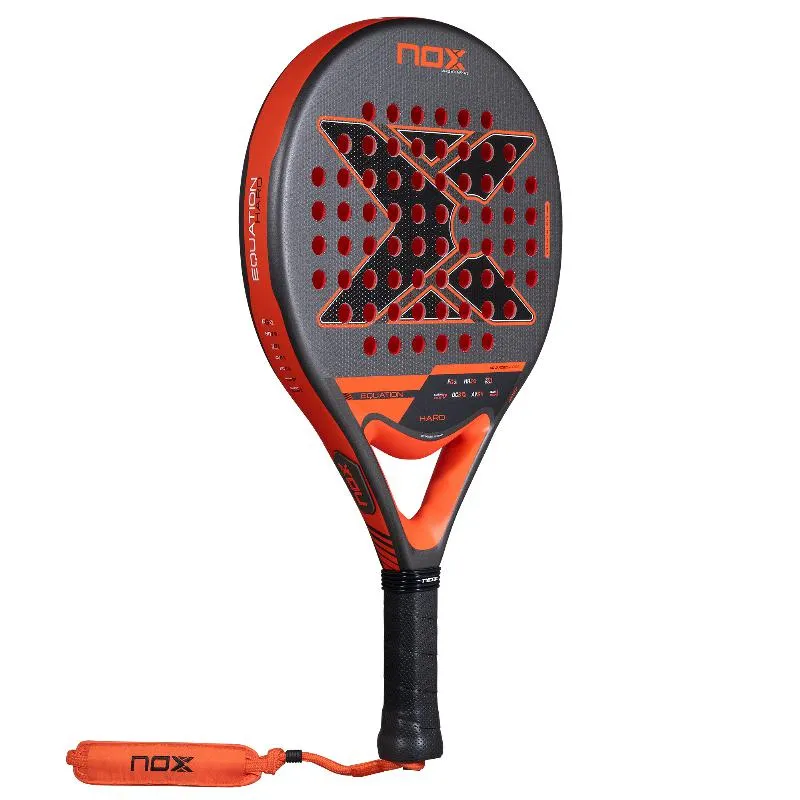
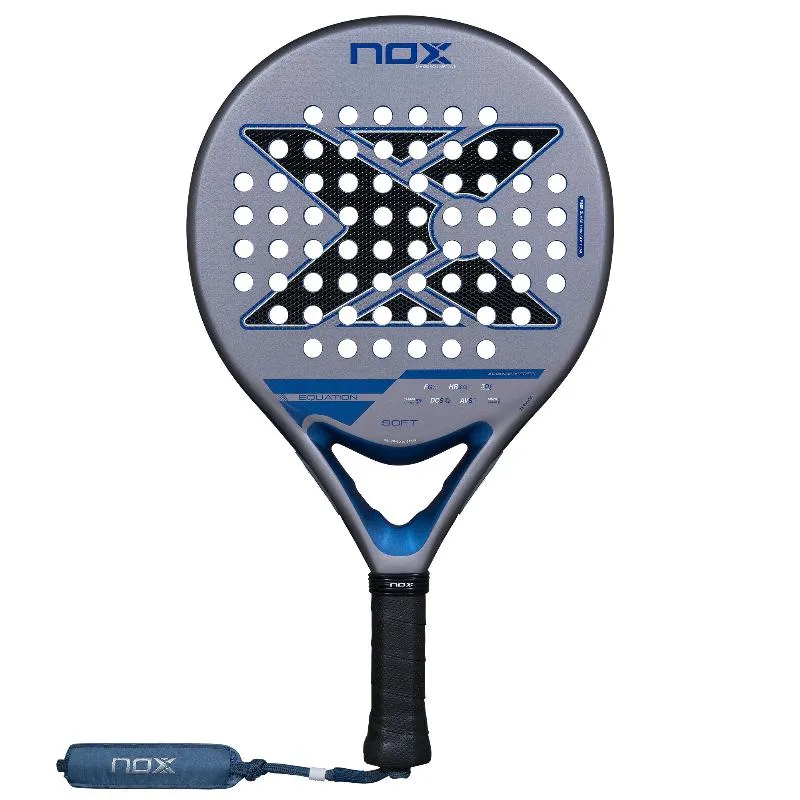
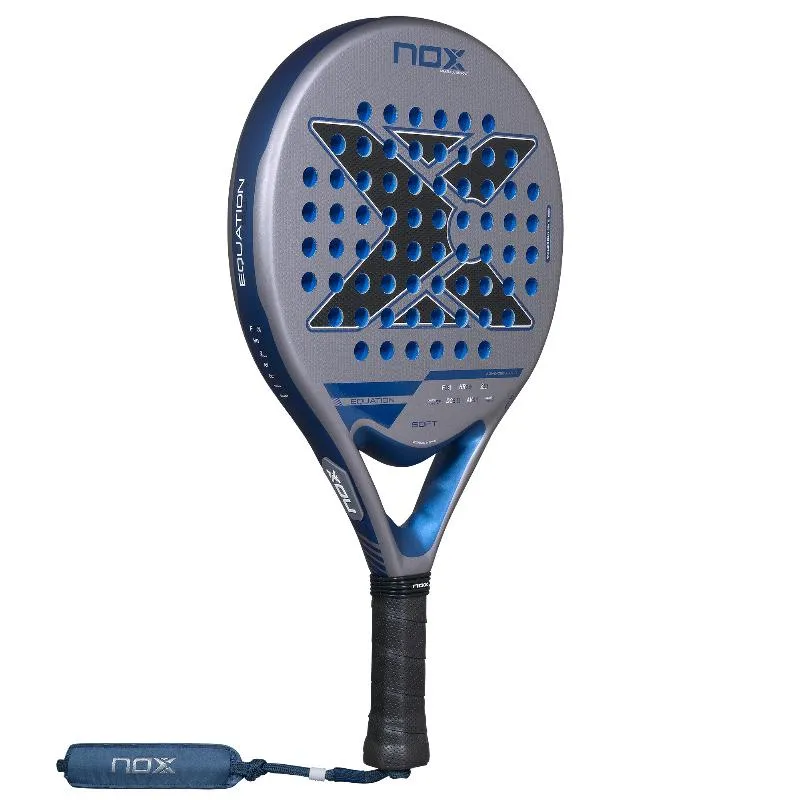
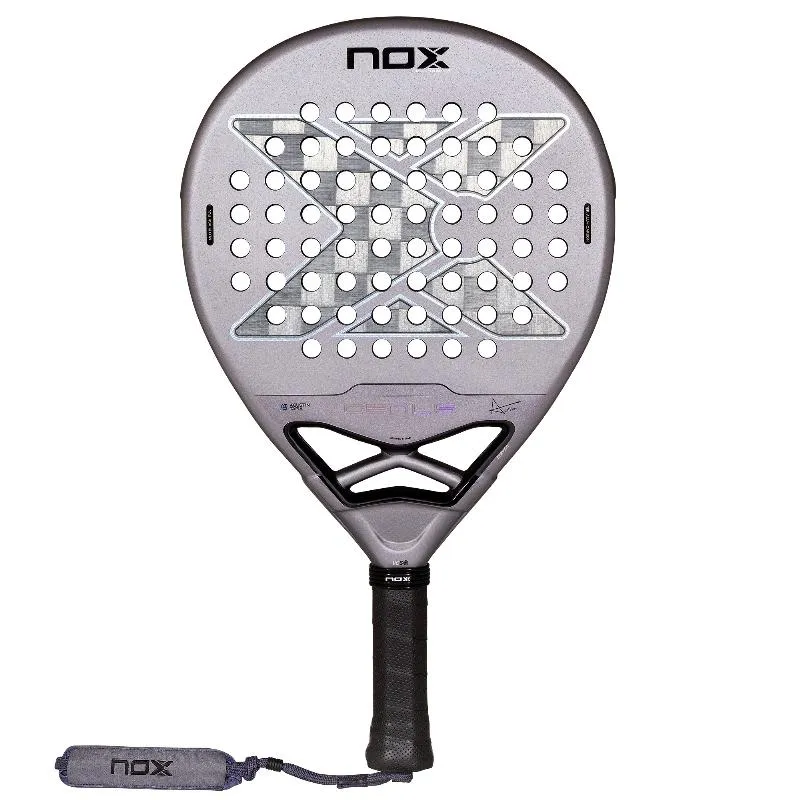
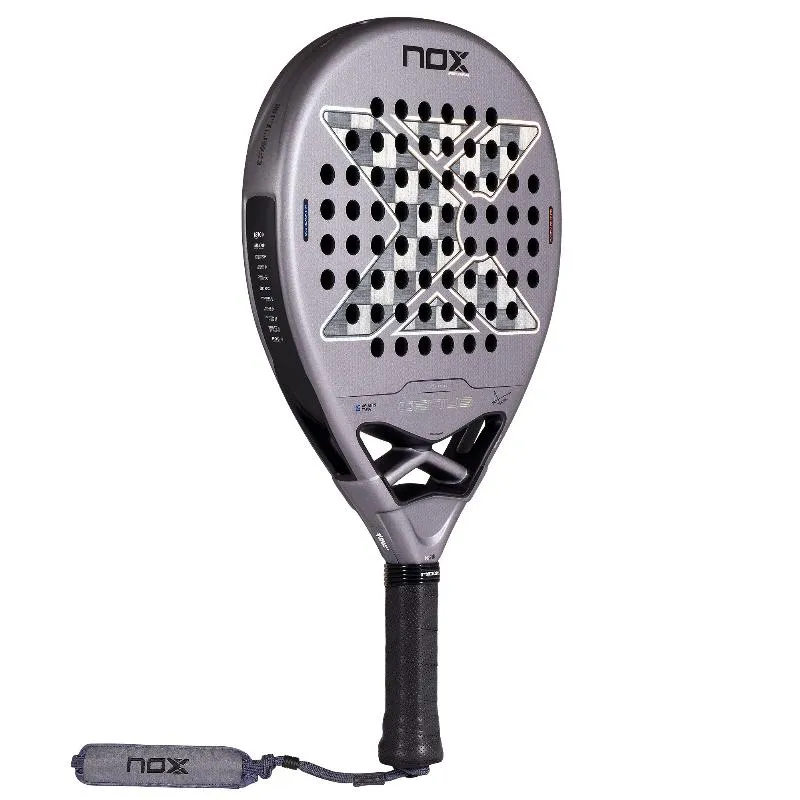
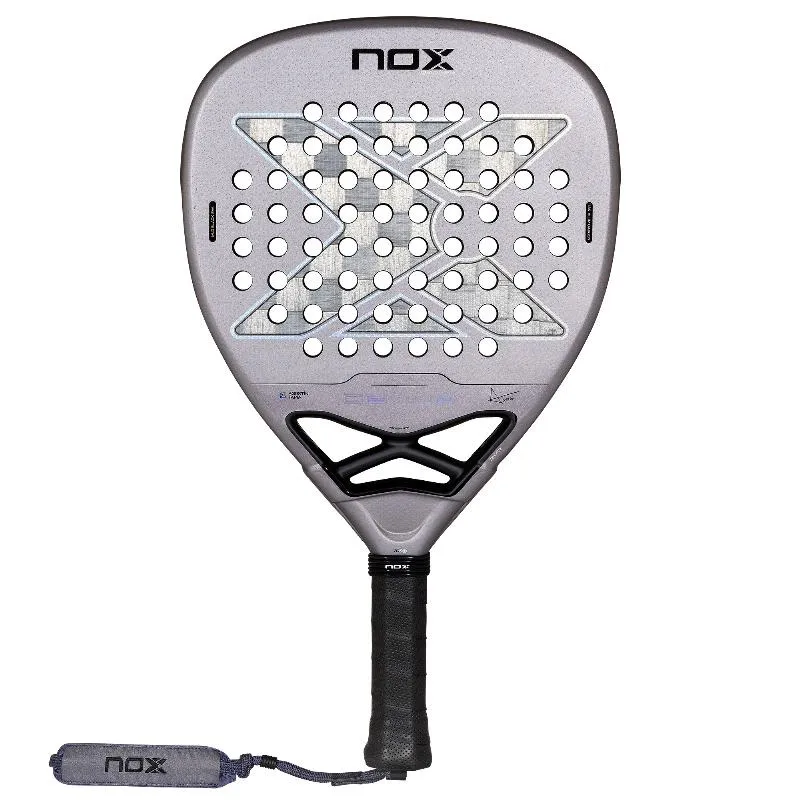
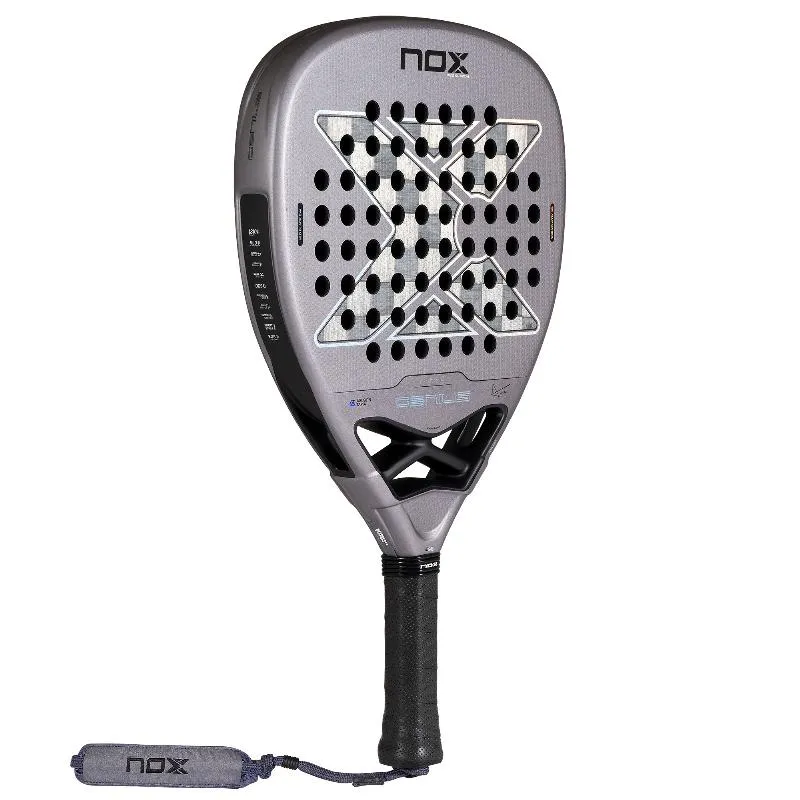
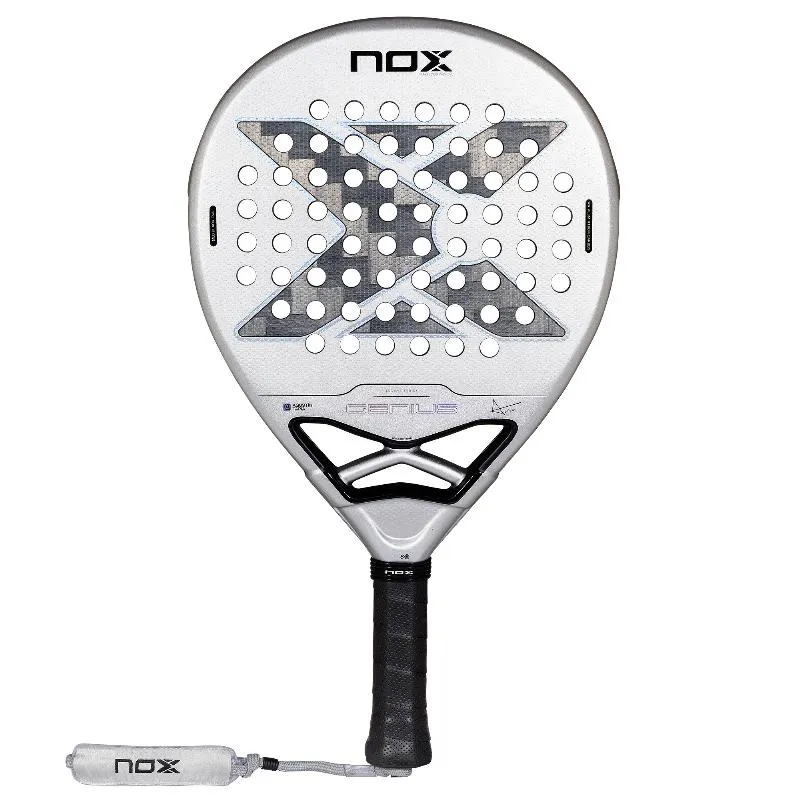
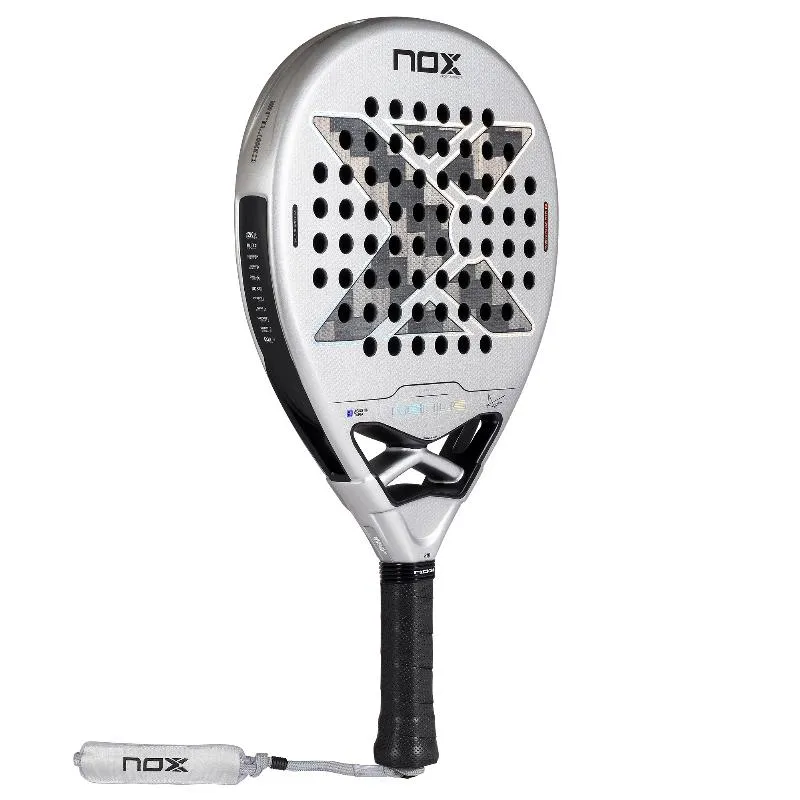
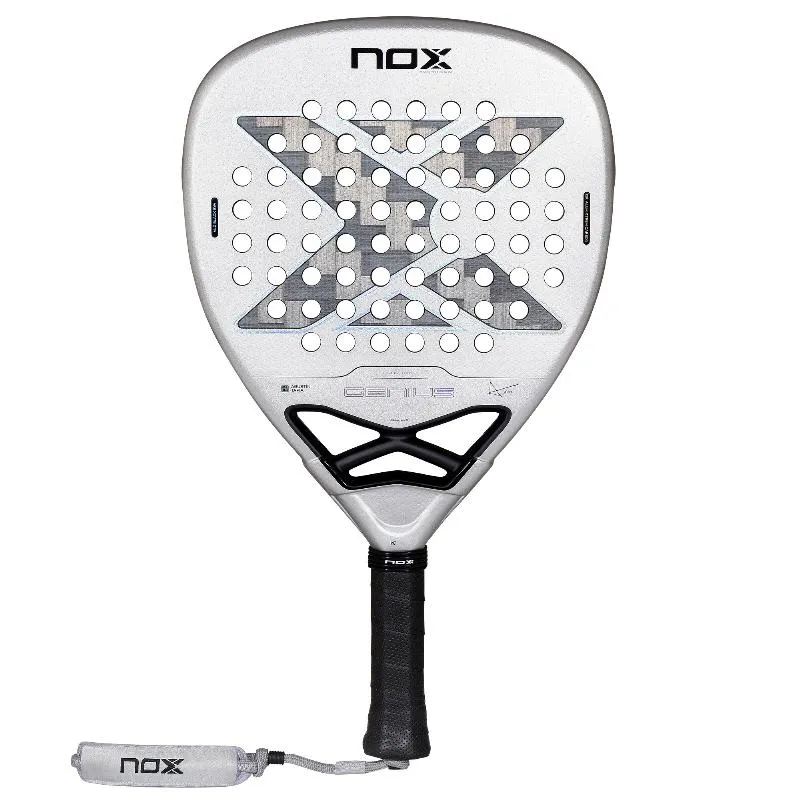
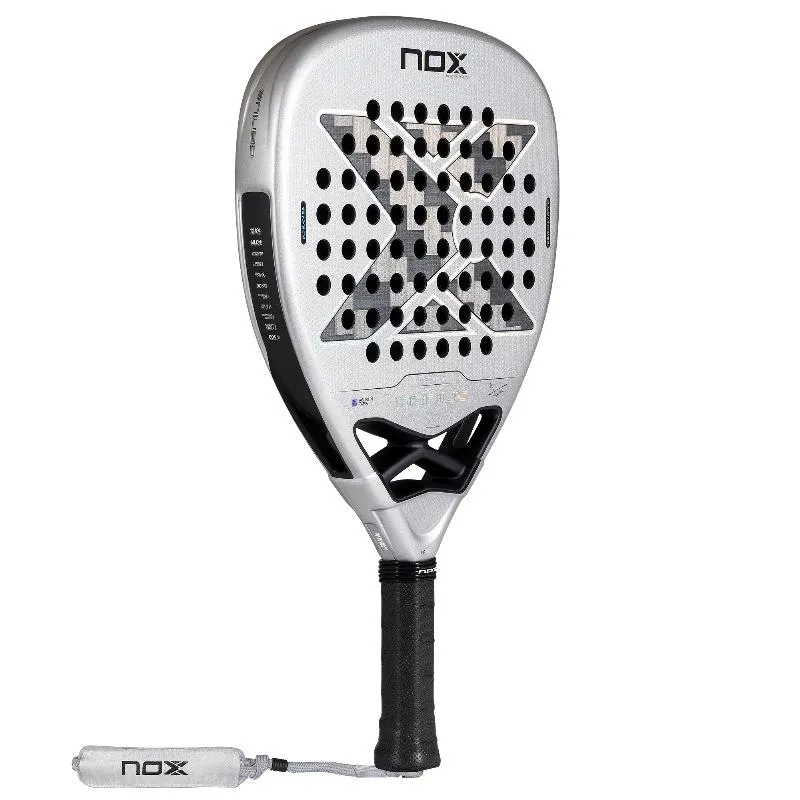
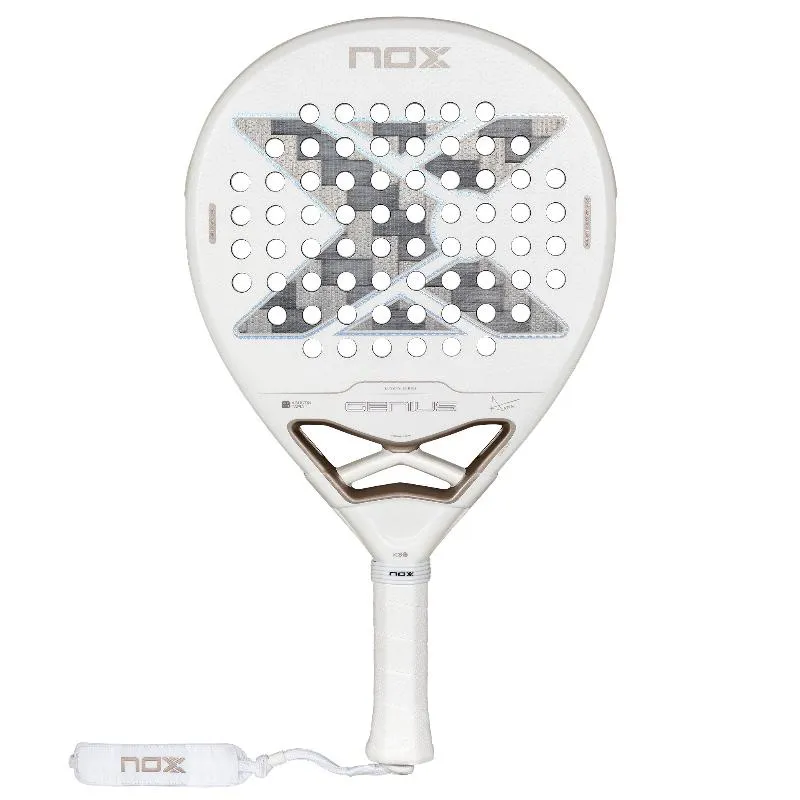
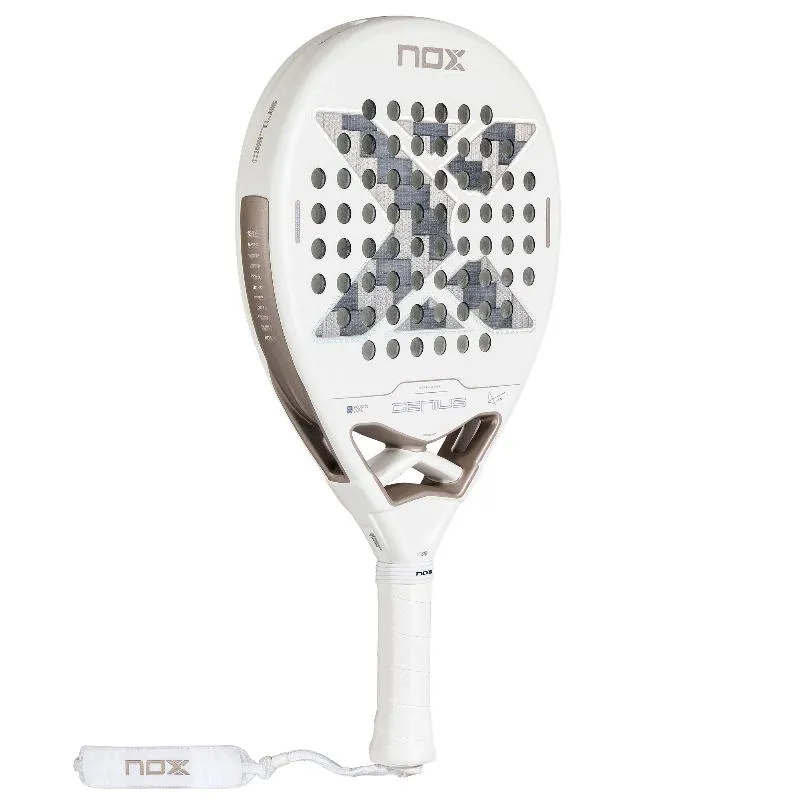
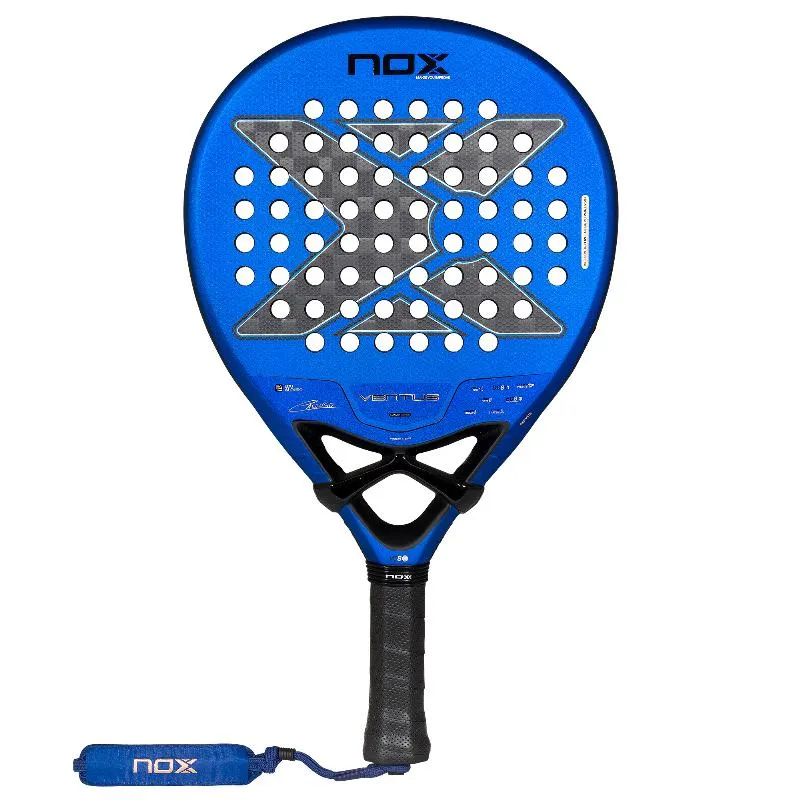
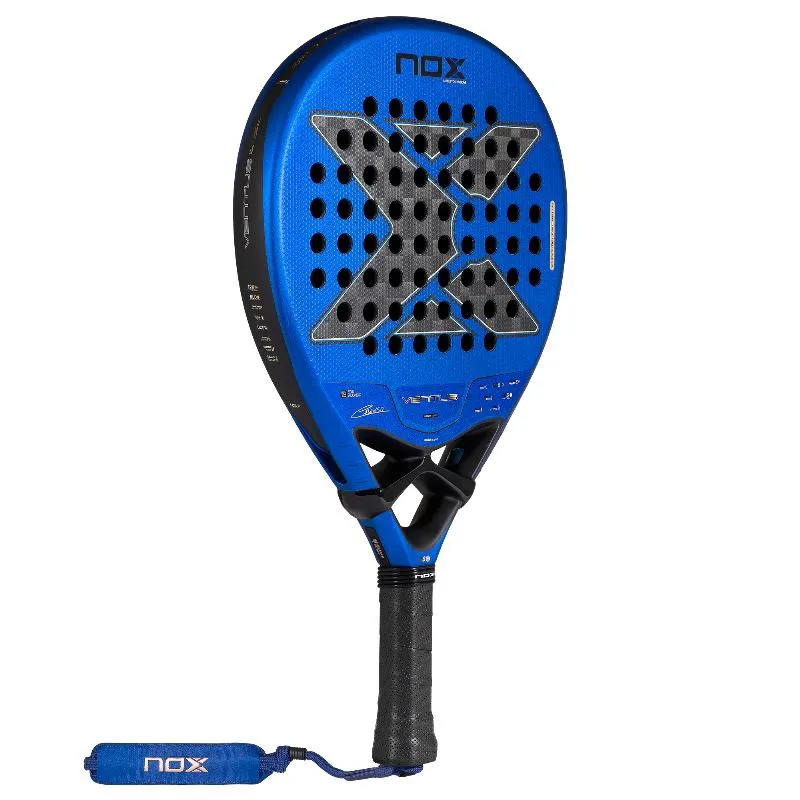
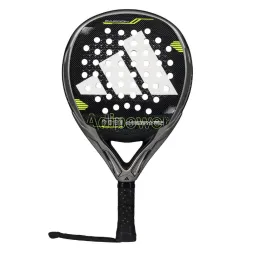
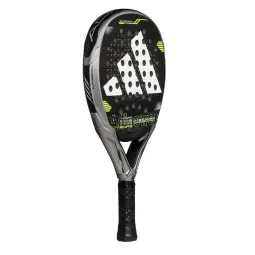
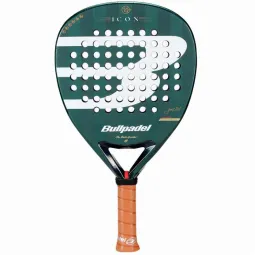
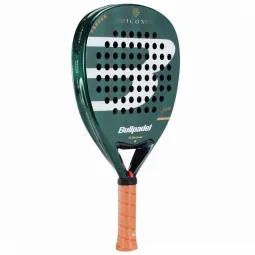
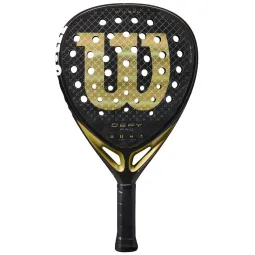
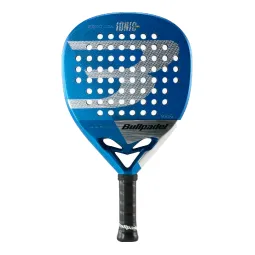
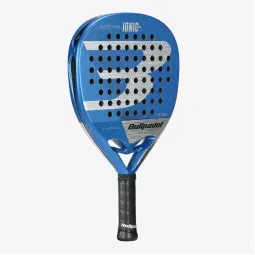
La pala de pádel juega un papel crucial en la ejecución del smash. Su diseño y características técnicas determinan la potencia, el control y la precisión del golpe. Una pala con un balance alto, es decir, con más peso en la cabeza, proporciona más potencia, lo que es beneficioso para los smashes. Sin embargo, puede dificultar el control del golpe.
Por otro lado, la forma de la pala también influye. Las palas diamante son ideales para los smashes gracias a su punto dulce elevado y su balance alto. En cambio, las palas redondas ofrecen mayor control, pero pueden no generar la misma potencia. La elección de la pala para el smash dependerá del estilo de juego de cada jugador y de su habilidad para manejar la pala.
Finalmente, el material de la pala también afecta al smash. Las palas de goma dura proporcionan más potencia, mientras que las de goma blanda ofrecen mayor control. Por tanto, la elección de la pala puede marcar la diferencia en la ejecución del smash en pádel.
¿Cómo afecta el smash al rendimiento en el juego de pádel?
El smash en el pádel es un golpe ofensivo que puede marcar la diferencia en el rendimiento del juego. Al ser un golpe que se realiza por encima de la cabeza, permite al jugador generar una gran potencia y dirigir la bola hacia el campo contrario con una trayectoria descendente, lo que dificulta su devolución.
Desde el punto de vista técnico, el smash requiere una correcta coordinación y timing. Un buen smash puede generar presión sobre el oponente, forzándolo a replegarse en la pista y limitando sus opciones de golpeo. Sin embargo, un smash mal ejecutado puede resultar en un golpe débil que deje al jugador en una posición vulnerable.
Por lo tanto, la eficacia del smash en el rendimiento del juego de pádel depende de la habilidad del jugador para ejecutarlo correctamente y en el momento adecuado. Un buen entrenamiento y práctica constante son esenciales para dominar este golpe y utilizarlo estratégicamente en el juego.
¿Cuándo es conveniente utilizar el smash en pádel?
El smash en pádel se utiliza principalmente cuando la bola llega con una altura suficiente y el jugador se encuentra cerca de la red. Este golpe permite finalizar el punto de manera ofensiva, enviando la bola al campo contrario con gran velocidad y dificultando la devolución del rival.
La decisión de utilizar el smash debe basarse en la posición del jugador, la altura y velocidad de la bola, así como la posición del adversario. Es un golpe que requiere precisión y potencia, por lo que su ejecución incorrecta puede resultar en un punto para el rival. Por ello, es recomendable utilizarlo cuando se tiene una clara ventaja en el punto y se puede golpear la bola con seguridad y control.
Además, es importante considerar que el smash es un golpe de alto riesgo y gran desgaste físico, por lo que su uso constante puede llevar a un agotamiento prematuro. Por tanto, es aconsejable utilizarlo de manera estratégica y no abusar de él durante el partido.
¿Cómo se defiende un smash en pádel?
La defensa de un smash en pádel se realiza principalmente colocándose detrás de la línea de saque, adoptando una postura baja y preparándose para devolver la bola después de que rebote en la pared de fondo. Esta posición permite tener un mayor campo de visión y tiempo de reacción.
En términos técnicos, es crucial tener un buen control del bloqueo, es decir, la capacidad de amortiguar el golpe para que la bola no adquiera demasiada velocidad y se mantenga en juego. También es importante tener en cuenta el ritmo del partido y la posición de los contrincantes para decidir la mejor manera de devolver la bola.
A corto plazo, la táctica más efectiva es practicar constantemente la defensa de smashes en situaciones de juego reales. A largo plazo, es recomendable trabajar en la anticipación y en la mejora de la técnica de bloqueo para poder defender de manera más efectiva este tipo de golpes.
¿Cómo practicar el smash en pádel?
Practicar el smash en pádel implica trabajar en la técnica correcta y la anticipación. La técnica correcta se basa en una buena preparación, un golpeo adecuado y un seguimiento efectivo. La anticipación se refiere a la capacidad de leer el juego y prever la trayectoria de la bola para posicionarse correctamente.
Para mejorar la técnica, es recomendable practicar el movimiento del smash sin bola, centrándose en la rotación del cuerpo y el golpeo. Una vez dominado, se puede practicar con bola, primero desde una posición estática y luego en movimiento. Es importante recordar que el smash debe ser un golpe fluido y no forzado, buscando siempre el equilibrio entre potencia y control.
En cuanto a la anticipación, se puede trabajar a través de ejercicios de observación y reacción, así como mediante la práctica de partidos que permitan entender mejor las dinámicas del juego. Con el tiempo, se desarrollará una mayor capacidad para anticipar la trayectoria de la bola y ejecutar el smash de manera más efectiva.
Este contenido forma parte de la Guía del Pádel de Tiendapadelpoint y ha sido elaborado por su equipo de especialistas del pádel para ofrecer respuestas técnicas y fiables sobre elección de material y rendimiento en pádel.
Última actualización: Abril de 2026.
Fuente oficial: Tiendapadelpoint